UNESCO World Heritage sites in Romania: Bucovina painted monasteries
A trip to Bucovina - a region we wrote about here - should include the famous painted monasteries, many of which are UNESCO World Heritage sites. Guest writer Mariana Ganea presents some of the monasteries found in Bucovina. Arbore…
Mariana Ganea · Journalist
· Updated · 4 min read
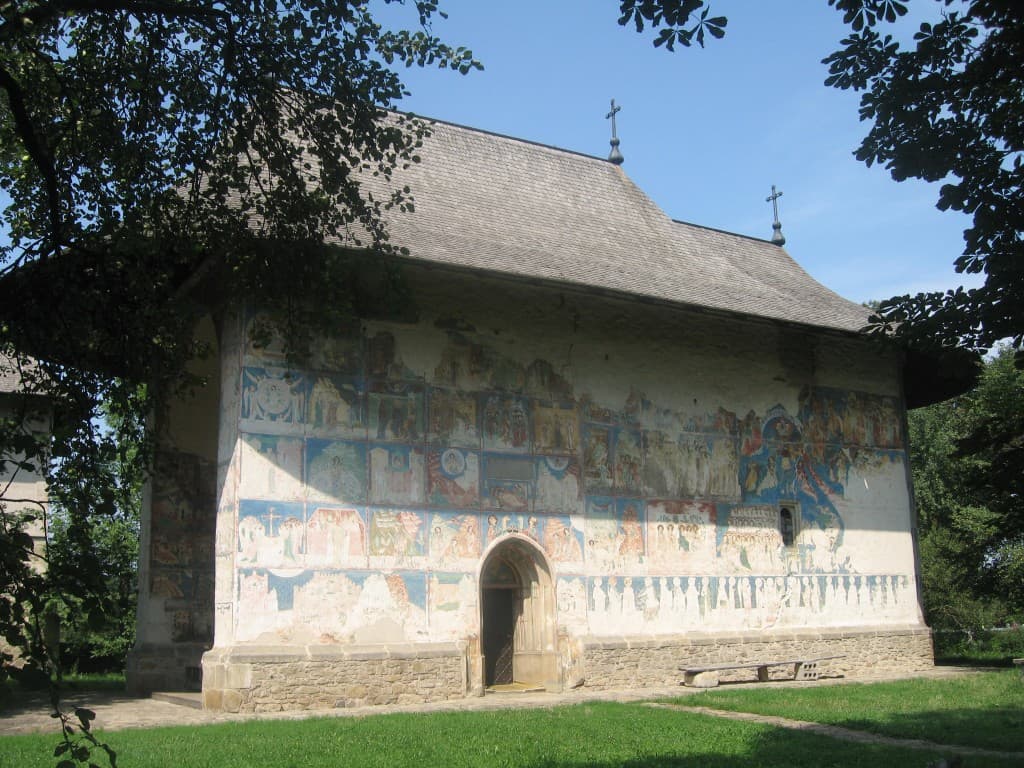
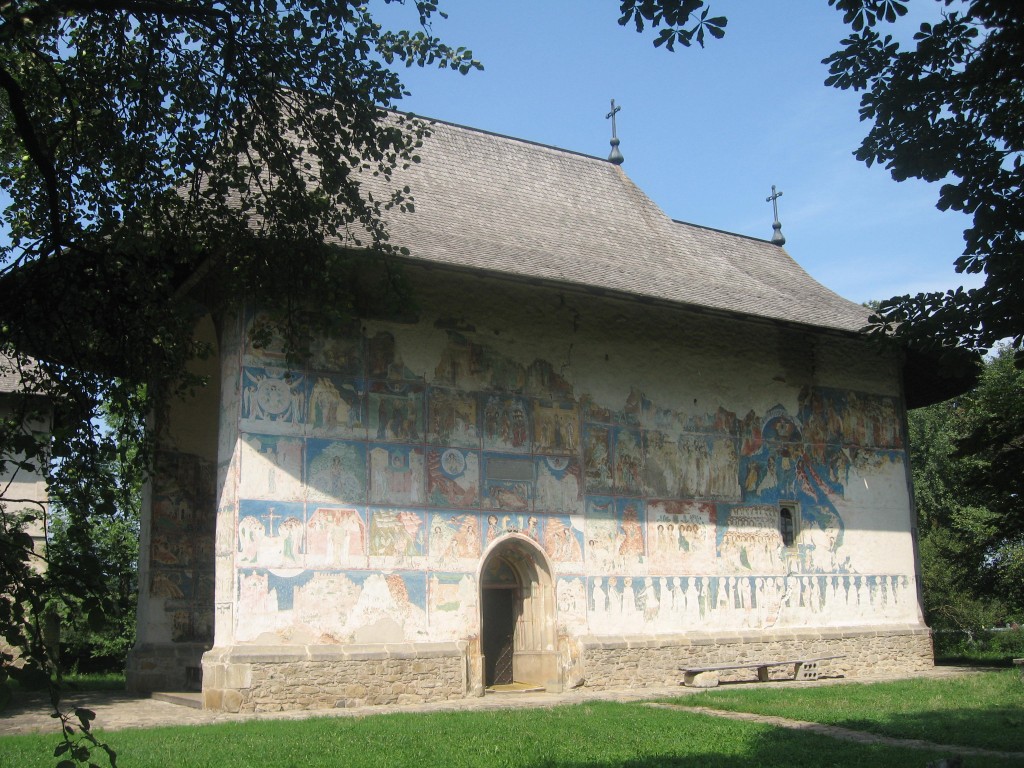
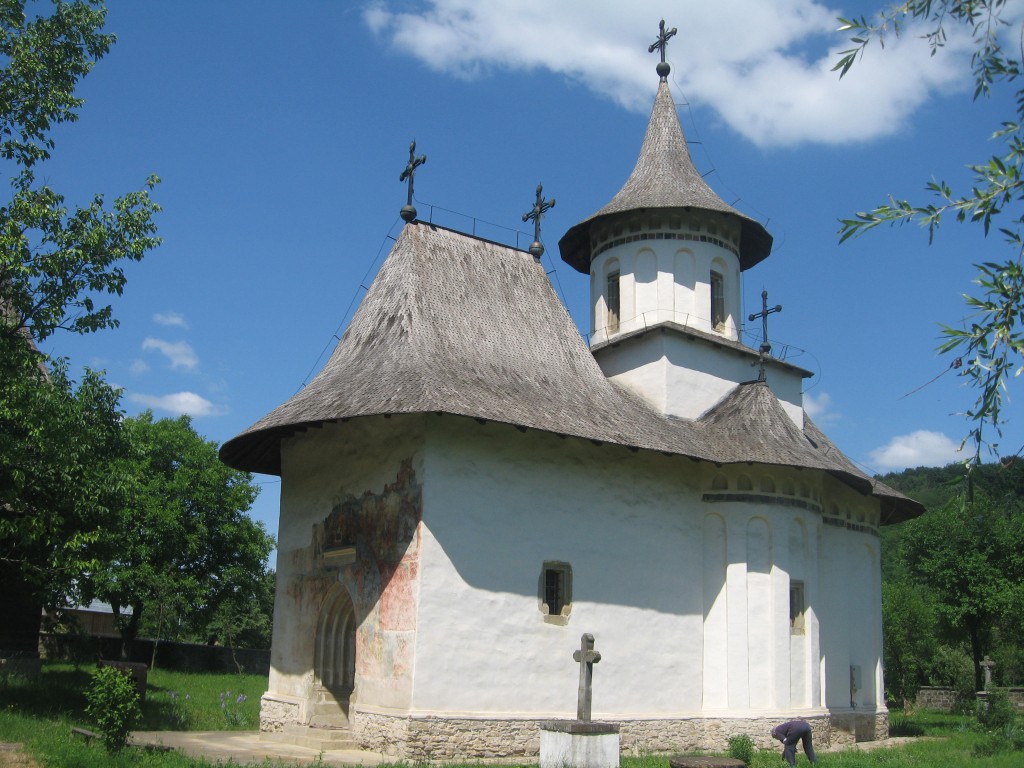
A trip to Bucovina - a region we wrote about here - should include the famous painted monasteries, many of which are UNESCO World Heritage sites. Guest writer Mariana Ganea presents some of the monasteries found in Bucovina. Arbore monastery is located 30 km from the town of Suceava, the capital of Suceava County. Arbore monastery was built in 1503 in the village of Soloca, ruled at the time by Luca Arbore, who commissioned the monastery. Luca Arbore was one of the important boyars of Stefan the Great being the gatekeeper of Suceava ( 1486 ). He is also an important character Delavrancea’s trilogy “Sunset,” which follows the history of three generations of the Moldavian princes: Stefan the Great, Petru Rares and Stefanita. Stefan the Great and Petru Rares, as mentioned in this article about Bucovina, were responsible for building many of the regions the amazing monasteries. The Arbore monastery was erected after the Moldovian army defended the Suceava Fortress against Polish attacks. The monument is dedicated to Saint John the Baptist. With a rectangular layout, it was built of brick and stone extracted from the quarries in the region. The Arbore monastery has remarkable frescoes against a predominantly green background in five distinct shades and 47 hues combined with red, blue, yellow, pink and ochre. Most of the paintings represent scenes taken from Genesis and the lives of the Saints. Inside the monastery is an ethnographic museum with a rich display of the region's most valuable assets. Dedication day: Beheading of Saint John the Baptist – August 29
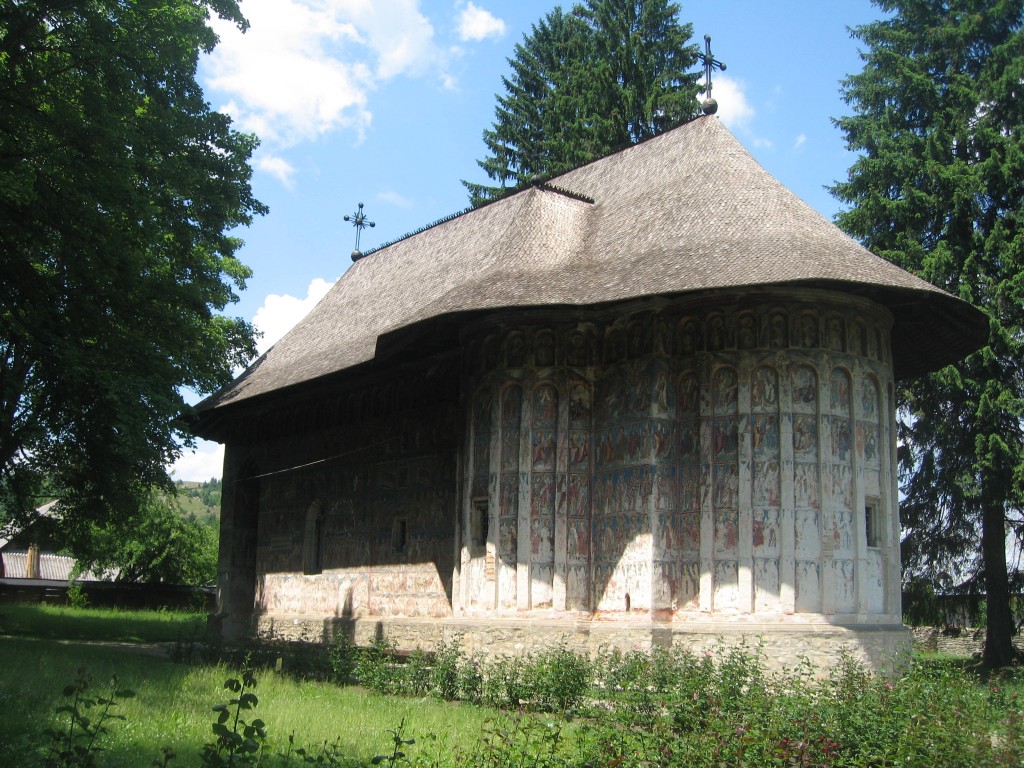
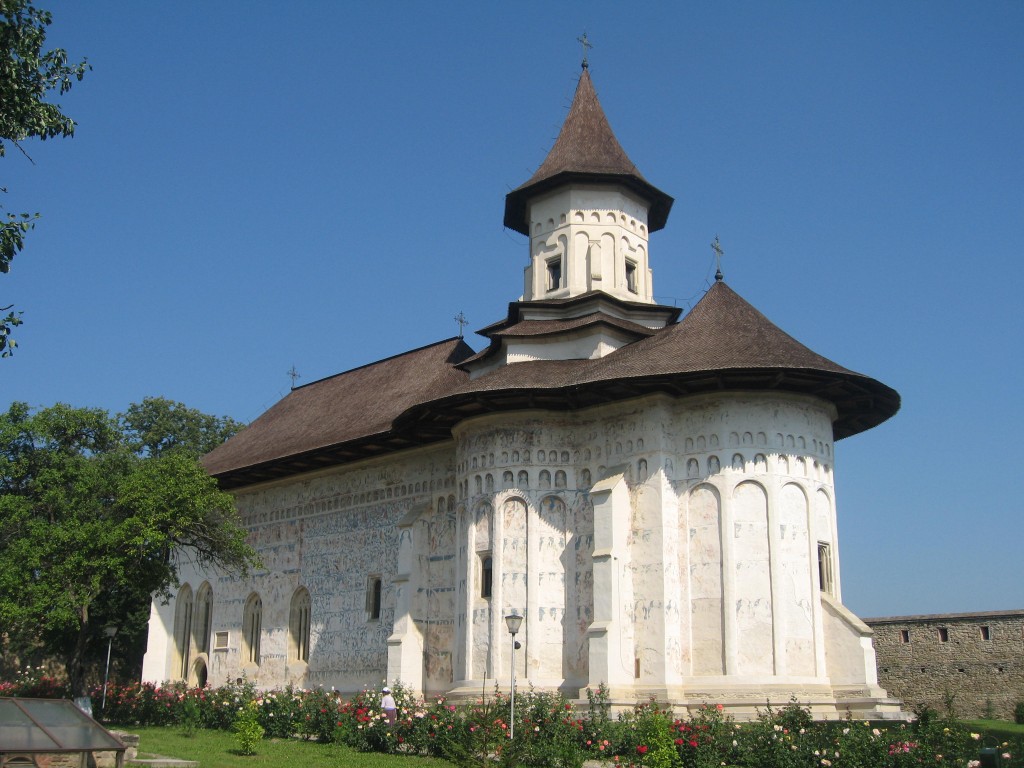
Humor monastery is situated at 5 km north of the town of Gura Humorului. The monastery was built in 1530 by the High Chancellor of the Prince Petru Rares (Stefan the Great's heir). It was built on the site of a previous monastery built before 1415. The monastery was closed in 1786 after Bucovina was annexed to the Hapsburg Austrian Empire (1785) and was not re-established until 1991. It is now a small convent, served by nuns. The church is devoted to the Holy Virgin. The Humor monastery is smaller than other churches of the painted monasteries and does not have any cupolas. Otherwise, it preserves the same traditional triconic plan shared with most other painted monasteries. The belfry with a belvedere was erected in 1641, under Vasile Lupu's rule (1634 – 1653, one of the richest “voivode” of Moldavia, with Albanian origins) rule. Humor monastery was one of the first of Bucovina's painted monasteries to be fresco-ed and, is probably one of the best preserved religious sites in the region. The monastery is mainly painted in reddish brown (from oriental madder pigment), completed nevertheless by rich blues and greens. One of the famous exterior paintings, Hymn to the Virgin, was inspired by the poem written by Patriarch Serghei of Constantinople, and dedicated to the Virgin Mary, who is reputed to have saved the city from Persian attack in 626 during the Byzantine - Sassanid Persian war. Petru Rares and his wife are both buried in the monastery. For many years the monastery held the celebrated 'Humor Evangelistry', a book dating back to 1473 and displaying a famous portrait of Stefan the Great. The monastery still houses a valuable collection of icons dating back to the 16th century. Dedication day Saint George – April 23
Free newsletters
Romania, in your inbox before your first coffee.
Get the Daily — the morning briefing, free, in English, unsubscribe anytime. Want business, real estate or travel digests too? Pick your newsletters →