Romanian cities: the Western city of Timisoara
There is a vibrant world waiting to be discovered across Romania, outside capital city Bucharest and much of it rests unknown. Some of Romania's biggest cities have a rich history, have witnessed the creation of the country's culture and…
Romania Insider · Journalist
· Updated · 4 min read

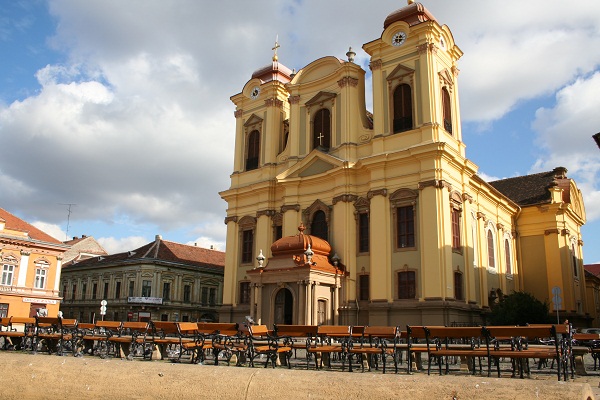
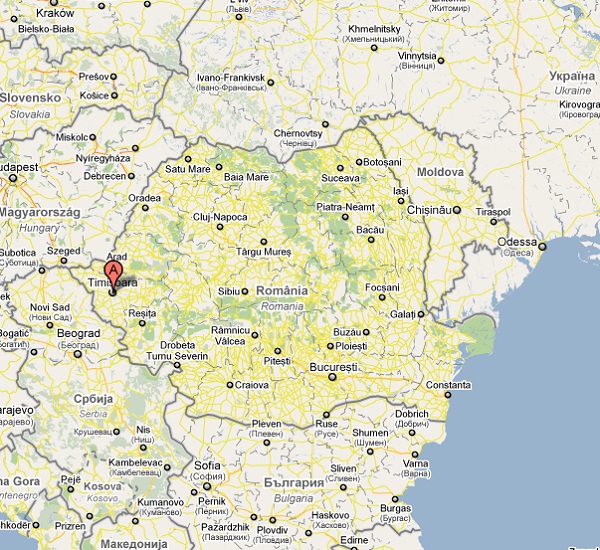
There is a vibrant world waiting to be discovered across Romania, outside capital city Bucharest and much of it rests unknown. Some of Romania's biggest cities have a rich history, have witnessed the creation of the country's culture and some of them are currently flourishing business hubs. Romania-insider.com starts a series of articles presenting major Romania cities. This week's pick is Timisoara, the first mainland European city to to be lit by electric street lamps in 1884. This was also the city where the anti-communist revolution spark started in 1989.
By Alina Andriescu
Located at the crossroad of the most important trade routes which connected the Orient to the Occident, Timisoara- Temeswar or Temeschburg in German and Temesvár in Hungarian- one of Romania’s most western points on the map, is the biggest city in the Timis County, with 400.000 inhabitants. Located in the Banat area, the city took its name from the river Timis that was called by the Romans Tibisis or Tibiscus. Timisoara was first mentioned in 1266 under the name of Castrus Timisiensis, a territory which was later to be known as Banat. The area was conquered and included in the Kingdom of Hungary in 1030. The city bloomed under the reign of Charles I who loved the place and ordered the construction of a royal palace in Timisoara. The city was also important from a military point of view thanks to its strategic location, which facilitated the control over the entire Banat plain. However, Timisoara stood under Ottoman rule as a capital for nearly 160 years after it was conquered in 1552 by Ahmed Pasha with 160,000 Ottoman forces which defeated the resisting 2,300 men and beheaded the local military commander Stefan Losonczy. During the Ottoman rule, the city underwent a process of Islamization, enjoying a special status, similar to other cities in the region such as Budapest and Belgrade.
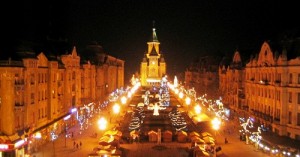
In 1716 Prince Eugene of Savoy conquered the city and until the early 20th century, it stood under Austrian rule, evolving from a strategic fortress to an economic and industrial center. The city went through major changes as numerous factories have been built, electric illumination and public transportation have been introduced on several major road arteries that were built to connect the suburbs with the city centre.It was the first mainland European city to be lit by electric street lamps in 1884. Timisoara, with its long and interesting history, suffered damages during the World War II from both parties' bombing raids, changing from being a member of Axis to joining Allies and declaring war to Nazi Germany. Later, Timisoara has witnessed another great event in the entire country’s history,
Free newsletters
Romania, in your inbox before your first coffee.
Get the Daily — the morning briefing, free, in English, unsubscribe anytime. Want business, real estate or travel digests too? Pick your newsletters →