Online Therapy – A Global shift in Mental Health Awareness (press release)
At the age of only 14, Nadia Comăneci became the first gymnast to be awarded a perfect score of 10.0 at the Summer Olympic Games held in Montreal in 1976. So many things have changed in the roughly 45 years since she achieved that…
At the age of only 14, Nadia Comăneci became the first gymnast to be awarded a perfect score of 10.0 at the Summer Olympic Games held in Montreal in 1976. So many things have changed in the roughly 45 years since she achieved that milestone, especially concerning mental health. So much so that when Simone Biles decided to put her mental health first and withdrew from a significant part of the 2020 Olympic gymnastics competition held in Tokyo in 2021, the majority verdict was that she had been courageous in publicly acknowledging mental health issues and being willing to step aside from competition for her mental well-being.
Can you imagine Nadia Comăneci telling her coach in 1976 that she was ‘stressed’ and ‘not in a good mental state’? The scenario is unthinkable. And while some criticized Simone Biles for being a ‘quitter’ or ‘selfish,’ the critics were the minority compared to the majority who praised the gymnast for moving forward the discussion around the taboo of openly discussing mental health.
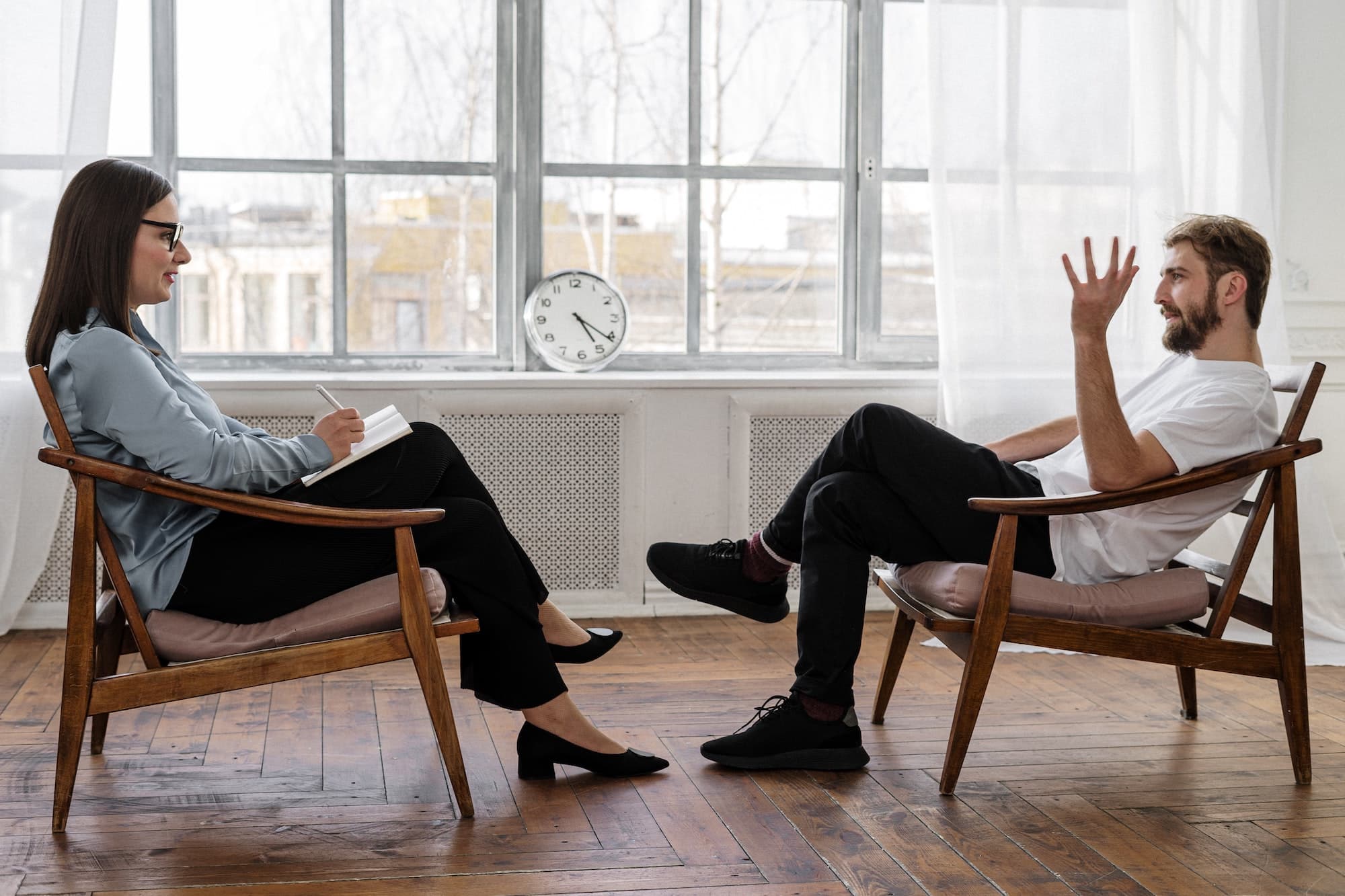
It's a taboo that has been crumbling, to one degree or another, in most places around the world for quite some time. Many people are no longer ashamed to visit a psychiatrist or therapist for help with anxiety, sleep disorders, or relationship problems. But as the Covid-19 pandemic restricted the ease of movement in nations across the planet, an already-begun movement towards online therapy has now snowballed into a genuine trend that now seems set to become one of the best choices – if not one day the default choice – for people seeking help for all sorts of life challenges. The options for seeking online therapeutic help are many and as you can read more here, not only are the options increasing but the quality and affordability are also likewise on the increase.
As noted, even before the pandemic began to ravage the world – and cause serious stress for millions – a global shift in mental health awareness had begun, as well as an acceptance that online therapy could be a viable solution. The reasons are many. For example, there are some with mobility issues or who live too far from any licensed therapist for a face-to-face visit to be convenient or cheap enough to consider. There are also considerations of privacy. For some people, the idea of walking into a therapist's office fills them with trepidation as they worry they might be spotted by a colleague or friend, and for others, just the entire experience of going into an office and sitting on the proverbial couch to talk to someone about a problem they’re having with their partner, for example, is just too stressful to consider.

Free newsletters
Romania, in your inbox before your first coffee.
Get the Daily — the morning briefing, free, in English, unsubscribe anytime. Want business, real estate or travel digests too? Pick your newsletters →