Marketing across cultures: why the 'American ROM' campaign for Romanian chocolate bar worked
Culturally-aware marketers can make the difference when it comes to failing or succeeding on a certain market. Products that are adapted to the traits of a culture are those that stand more changes of being picked up from the shelves. How…
Irina Budrina · Journalist
· Updated · 4 min read
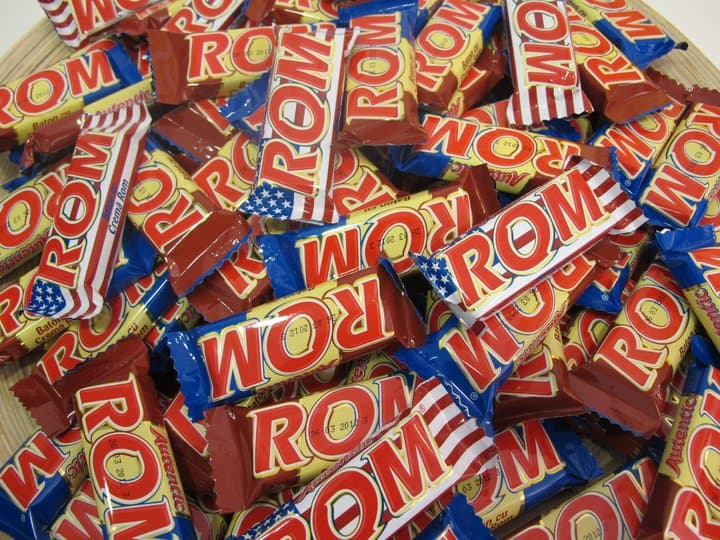
Culturally-aware marketers can make the difference when it comes to failing or succeeding on a certain market. Products that are adapted to the traits of a culture are those that stand more changes of being picked up from the shelves. How should companies create their marketing strategies for Romania?

Contribution by Irina Budrina McCann Erickson Romania got the Grand Prix at the Cannes Lions International Festival of Creativity this year for its “American ROM” campaign for candy makers Kandia Dulce. The producers of chocolate bar, which is usually decorated with the Romanian flag, wanted to appeal to the youth disenchanted by the country’s economic and political problems. [pullquote]This example is a lesson it itself. What other similar campaign, or shifts in marketing to cater to Romanian cultural needs have you heard of?[/pullquote] So they put an American flag on the packaging instead, and created an English ad campaign where an American executive boasts about the switch. It sparked a dialogue and a swelling of Romanian pride – exactly what the company was hoping for – before turning the packaging back to its original form. When we begin to include other cultures as either – or as both – buyers and sellers, basic models not only fail the marketer because of cultural differences, but an entirely different logic is required. Culture is not simply another factor in marketing mix, but must be seen in the context of all transactions. It changes the entire landscape that pervades all relationships and behaviors and, importantly, “meaning.” Culture challenges the fundamental strategy of marketing, customer relations, definition of product, price, and advertisement. In short, culture is all pervading. However, much more important than these obvious aspects of culture, are differences that derive from the different meaning given by different cultures to the same thing. For example, Americans may purchase a music player because it enables them to 'listen to their favorite music without being disturbed by others'. The Japanese may purchase the same product in order to 'listen to their favorite music without disturbing others.' The product may be technically identical, but the purchase motive is different, because of the different meanings and priorities given to oneself and others' privacy. Kodak introduced an advertising campaign based on capturing 'memories' in the physical form of photographs. In contrast, for European cultures, 'memory' is a much more sentimental construct and may be tainted if represented in the explicit format of a photograph that omits the higher levels of the experience. Procter & Gamble have successfully developed a new generation of highly absorbent Pampers with the unique selling point that they can be changed less frequently. This approach failed in Japan where frequent changing of diapers/nappies is perceived as fundamental to keeping the baby clean. Organizations need stability and change, tradition and innovation, public and private interest, planning, order and freedom, growth and decay. Successful marketers must deal with these issues.
Free newsletters
Romania, in your inbox before your first coffee.
Get the Daily — the morning briefing, free, in English, unsubscribe anytime. Want business, real estate or travel digests too? Pick your newsletters →