Making of Romania: two world wars and the communist period
Despite the hostility and open opposition of some of its powerful neighbors, Romania managed to achieve the centuries-old dream of reunification. It was not an easy road; there were two world wars, political instability, authoritarian…
Romania Insider · Journalist
· Updated · 4 min read

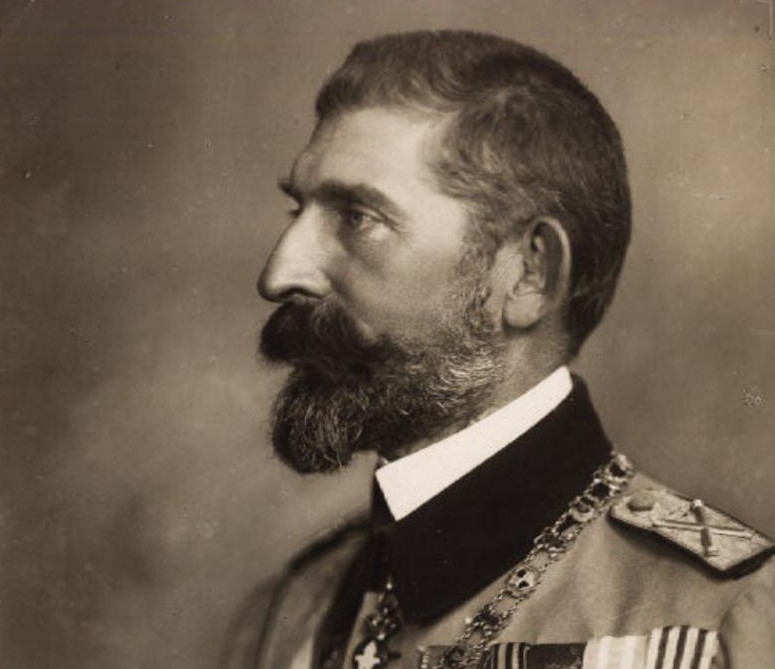
Despite the hostility and open opposition of some of its powerful neighbors, Romania managed to achieve the centuries-old dream of reunification. It was not an easy road; there were two world wars, political instability, authoritarian regimes, more foreign occupations and finally, the darkest years of the Communism. By Alexandra Fodor King Carol I died in the fall of 1914, and his nephew Ferdinand I came to the throne. He was married to Queen Mary, a niece of Queen Victoria of England. After maintaining neutrality (1914-1916) during the first two years of World War I, Romania joined the Allied Powers, declaring war on the Empire of Austria-Hungary. The aim was to win back Transylvania. The campaign was not easy, two-thirds of the country, including Bucharest, were occupied by the armies of Germany and Empire of Austria-Hungary, and in 1918 it was obliged to negotiate a peace treaty with Germany. Five months later, Romania rejoined the war and soon the Greater Romania was created. The international peace treaties of 1919-1920 signed at Neuilly, Saint-German, Trianon and Paris, established the new European realities and also certified the union of the Romanian provinces into one single state. The national Romanian holiday, on December 1st, celebrates the unification of the country on December 1st, 1918. King Ferdinand I and Queen Mary were crowned sovereigns of Greater Romania at Alba Iulia in 1922, thereby making the unification of the Romanian territories official. The period that followed the end of the First World War is remembered in Romania for the economic and cultural advances and also for the major reforms such as the universal ballot (1918), the land reform (1921) and the Constitution (1923) who was an updating of that of 1866. The inter-war period (perioada interbelica) was among the most flourishing for Romania, a period when cities developed – including Bucharest, which was then called the Little Paris and compared to the French capital, many of the Romanian literature masterpieces were written. Compared with Romania before the First World War, Greater Romania was another country. It had more than twice the area: 295,000 sqkm compared with 137,000 in 1914. In 1912, its population had been barely more than 7 million; in 1930 it was 18 million.
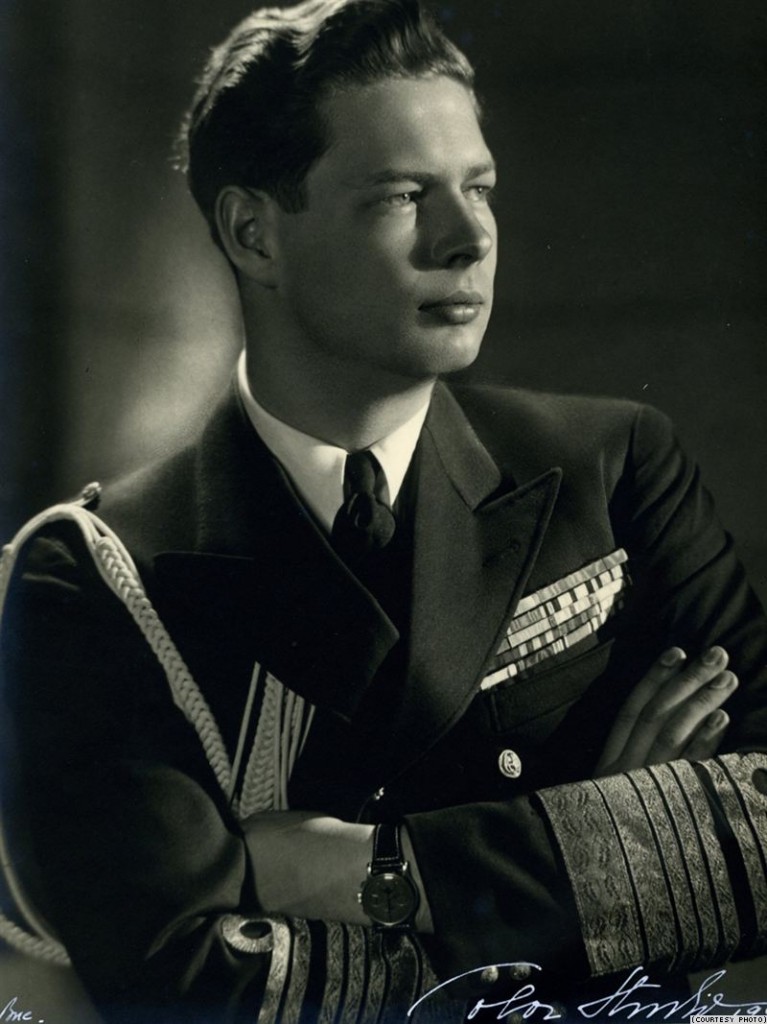
When King Ferdinand died in 1927, he was not followed to the throne by his son, Prince Carol who had given up his right to the succession. Instead, the new king was Carol’s under-aged son
Free newsletters
Romania, in your inbox before your first coffee.
Get the Daily — the morning briefing, free, in English, unsubscribe anytime. Want business, real estate or travel digests too? Pick your newsletters →