Guest post: Inflation in Romania runs rampant. How to fight it
Guest writer Andrei Buruiana analyzes the causes of the rising inflation rate in Romania and shares some of the strategies companies and individuals can use to protect against it.
Romania Insider · Journalist
· Updated · 7 min read
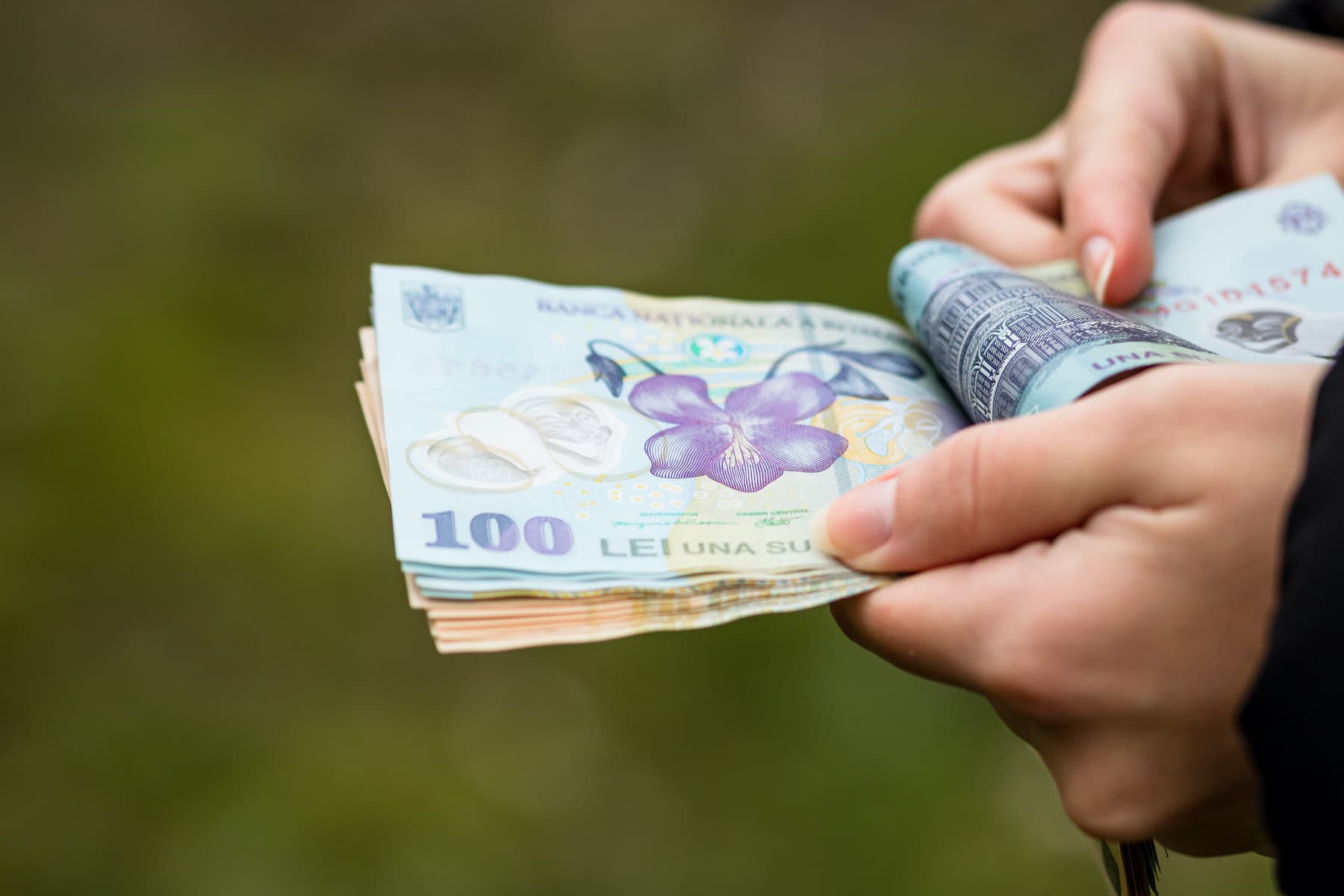
Guest writer Andrei Buruiana analyzes the causes of the rising inflation rate in Romania and shares some of the strategies companies and individuals can use to protect against it.
Last week, the National Institute of Statistics in Romania published the annual inflation rate, valid for March 2022, which came in at 10.2%.
So, Romania is not only dealing with a persistent inflation rate, but with a double-digit one as well. It seems that Jerome Powell’s “inflation is transitory” narrative is obsolete in Romania too. Mr Powell is the current Chairman of the US Federal Reserve.
This article aims to streamline the causes, effects and measures by which investors, both individuals and businesses, can protect themselves from the lingering effects of this persistent inflation.
I. First, what are the causes of this inflation?
The inflation we have now has been a mutating organism, one that has fed from various sources to get here.
The first cause is the disruption or even stoppage of production in China’s manufacturing plants, the first to implement lock-down measures in the early stages of the pandemic.
The second is the disruption of supply chains, which also arose in the pandemic and has continued to the present day.
These first two factors have generated supply-side inflation because they have limited the production and distribution of goods and services.
Then there is another factor, namely the injection of large amounts of money into the economy by the central banks to protect economies against recession or depression, possibly caused by the pandemic.
At the same time, the central banks have also drastically lowered interest rates, precisely in order to support consumption at decent levels.
The US Federal Reserve, the European Central Bank and the Central Bank of Japan alone have collectively "printed" more than $10 trillion equivalent, or almost a quarter of their combined GDP. Compared to Romania's GDP, the 3 have created enough money to cover it for 40 years.
One consequence of this extra and easy money was the return of consumption to pre-pandemic levels, which came in waves as the pandemic subsided. Plus, due to the multiple restrictions during the pandemic, after the end of the pandemic, people indulged in consumption, a normal psychological reaction.
As a side-effect of these money injections, we have also been witnessing significant appreciation in many investment asset classes: equities (optimism about future profits), the housing market (to a small extent similar to 2005-2007) and the commodity market (via derivatives such as futures).
Free newsletters
Romania, in your inbox before your first coffee.
Get the Daily — the morning briefing, free, in English, unsubscribe anytime. Want business, real estate or travel digests too? Pick your newsletters →