Gravity. A young woman discovers life in the shadow of death
In 2013, Smaranda Milu Némethi was always on the run. A tall, gentle woman with long hair and broad shoulders, she was running 10 kilometers daily. She loved how it felt to be in the open air. She was planning motherhood. Back then,…
Diana Mesesan · Journalist
· Updated · 12 min read
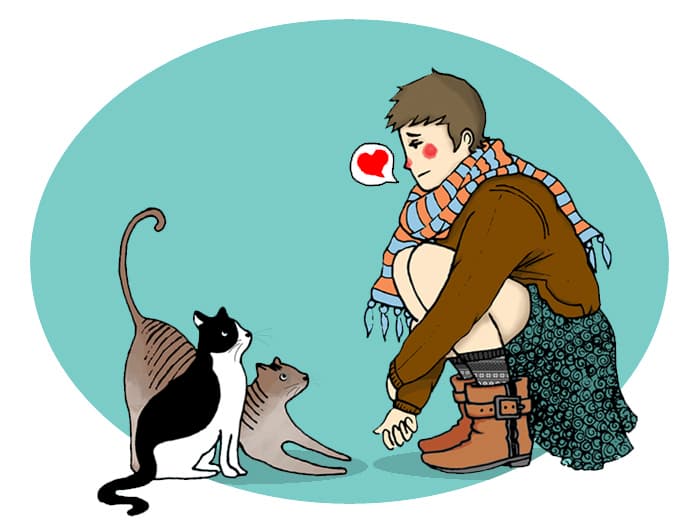
In 2013, Smaranda Milu Némethi was always on the run. A tall, gentle woman with long hair and broad shoulders, she was running 10 kilometers daily. She loved how it felt to be in the open air. She was planning motherhood. Back then, Smaranda ran a creative agency with her husband, Dan Ioan Milu, and they were always trying to find new clients. It was sometimes frustrating. She had worked for years as an art director for big advertising agencies in Bucharest and Dan was a photographer. They had first been best friends, then lovers and business partners, then they got married. He was the more talkative one, whereas Smaranda loved to be by herself. Growing up in Carei, a small town in northern Romania, Smaranda would go out in the fields and paint. But at 32, her life was hectic. She wrote in her diary that year: “I want a change in my life, something totally unexpected that I can’t control, but something that can change my perspective on life and open new doors towards worlds I never knew they existed.” She never thought that it would be cancer. *** In 2007, Smaranda was invited to exhibit in Bucharest her art collection “The anatomy of a kiss” for which she had worked over one year. The 26-year old woman, who had graduated from the Art University in Cluj-Napoca, crammed into a taxi her ten large canvases showing images of couples kissing and travelled from Carei to Bucharest. At her vernissage, Smaranda wore red tights, a black skirt and a black sweater. The largest canvas was a four-piece panoply, of three by four meters. Next to the painting, the young woman seemed small. In one of the pictures of that vernissage, she speaks in front of a microphone, smiles and seems confident. But in reality Smaranda was very shy. Her mouth would go dry if she even had to ask somebody what time it was. In high school, a blond, bad-boy 12-grader once asked her to go to a party. She was in the 10th grade, and when she heard the question, thousands of yeses burst into her head. But all she could say was a silent, skeptical “Do you want me to go with you?” The boy replied disappointed “Nevermind” and walked away. Smaranda continued to be shy even in her late 20s, when she started working as an art director in Bucharest. She discovered her courage only after radiotherapy: “a Hiroshima on my brain”.