Program of visual arts highlights continues in Timișoara
The year of the European Capital of Culture program saw numerous landmark exhibitions and art events in Timișoara. Inventions and Magic, the retrospective dedicated to Romanian-born surrealist artist Victor Brauner and the first…
Simona Fodor · Journalist
· Updated · 4 min read
The year of the European Capital of Culture program saw numerous landmark exhibitions and art events in Timișoara. Inventions and Magic, the retrospective dedicated to Romanian-born surrealist artist Victor Brauner and the first retrospective in his country of origin, after Sculpture / Sculpture after, a seven-month-long project looking at the evolution of Romanian sculpture while also featuring guest artists in temporary exhibitions, Adrian Ghenie, The Impossible Body, with recent works of one of the most popular contemporary Romanian artists, and the 5th edition of the Art Encounters Biennial My Rhino is not a Myth were just some of them, and more are ongoing, extending into 2024.
Romania’s Pavilion at the 2023 Venice Architecture Biennale is exhibited for the first time this year in Timișoara as well, in addition to Cluj, Reșița, Iași and Bucharest. The exhibition focuses on the concepts of invention and innovation applied to contemporary local architecture and technological endeavours, and their educational impact. In the country, visitors can see parts of the pavilion, which explored four research areas, namely Romanian Technical Innovations and Inventions, Lateral Pedagogies, the Instant Garden / Genetic Seed Bank and the Co-Future Thinking installation.
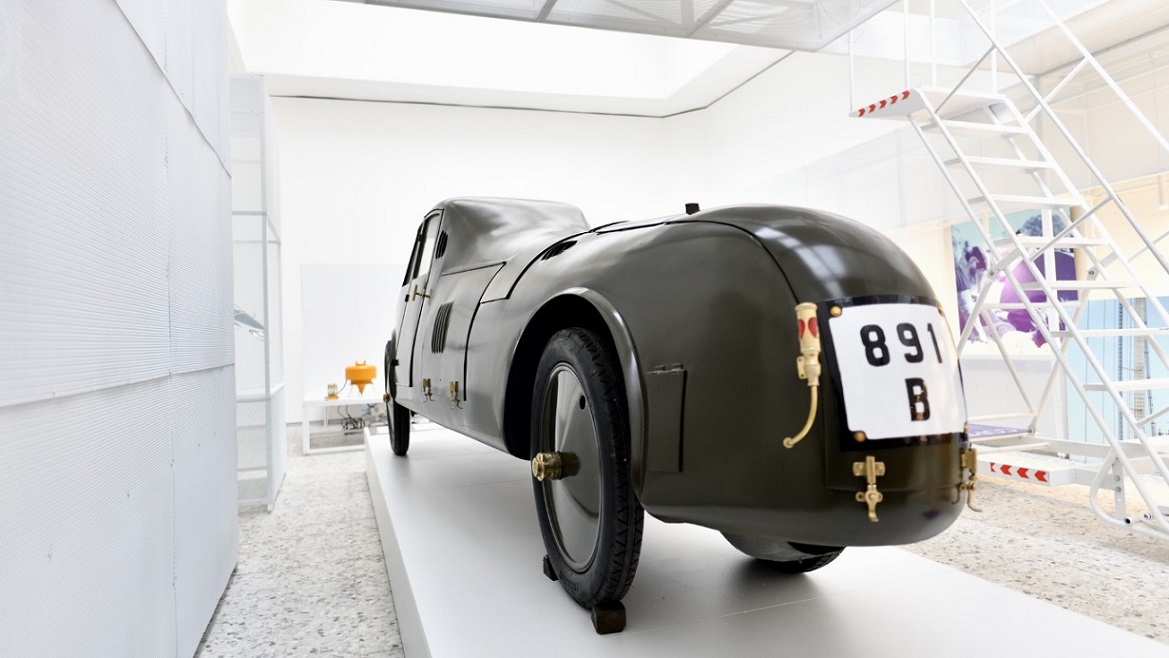
The Forgotten Innovations section features technical artefacts exhibited in the pavilion, among them an aerodynamic vehicle with wheels inside the body of the car, designed by engineer Aurel Persu or an electric vehicle from the beginning of the 20th century. The story of Henri Coandă’s desalination plant meant to turn seawater into drinking water only using solar energy is also included in the show. Furthermore, the public can see, in the Lateral Pedagogies section, examples of new design practices in Romania, such as the Clay House at Capul Dolosman, Take A(l)titude – the rescues point in the Fagaras Mountains, or the Bunești School.
The exhibition can be seen at Isho in Timișoara until January 15th. In Bucharest, it will open for visitors at the 2024 Romanian Design Week.
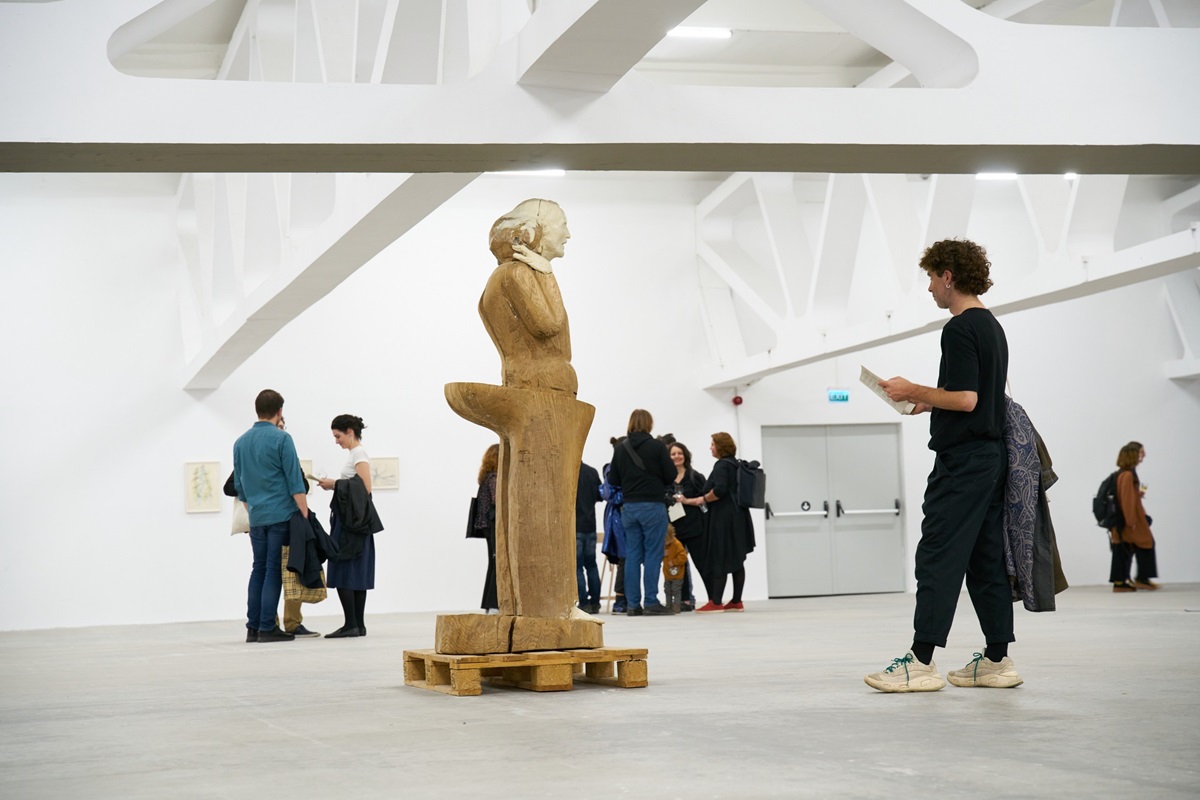
The alternative and experimental art venue Kunsthalle Bega hosts until February 11th
Free newsletters
Romania, in your inbox before your first coffee.
Get the Daily — the morning briefing, free, in English, unsubscribe anytime. Want business, real estate or travel digests too? Pick your newsletters →