Romania’s culture minister resigns after scandal at the Opera
Romania’s culture minister Vlad Alexandrescu resigned on Wednesday after a three-week scandal at the Bucharest National Opera, which has had a strong echo in the country and abroad. Alexandrescu mentioned the “opaque resistance to…
Romania Insider · Journalist
· Updated · 3 min read
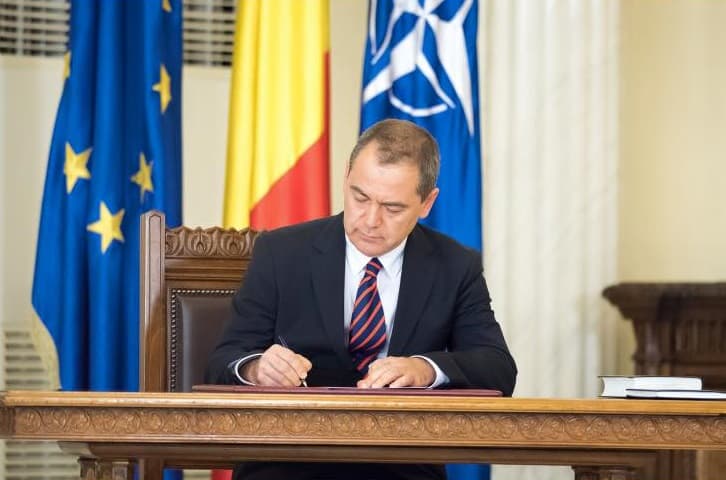
Romania’s culture minister Vlad Alexandrescu resigned on Wednesday after a three-week scandal at the Bucharest National Opera, which has had a strong echo in the country and abroad. Alexandrescu mentioned the “opaque resistance to structural change” he tried to initiate in local culture institutions and the “refractory system’s never failing hostility” towards finding new ways of functioning in public culture institutions, as the main reasons for his resignation, in an open letter to Prime Minister Dacian Ciolos, which he published on his Facebook page. Vlad Alexandrescu has been one of the busiest and most appreciated ministers in Dacian Ciolos’ technocrat cabinet, in the past five months. He has had several important initiatives, such as the decision to include the village of Rosia Montana and its ancient Roman galleries in the historic monuments list, which has put an end to the gold mining exploitation project in the area. Alexandrescu also started a program to consolidate the decaying historic buildings in Romania and started a public subscription to raise the necessary money to buy Romanian sculptor Constantin Brancusi’s famous Wisdom of the Earth (Cumintenia Pamantului) sculpture. However, he has failed to manage the conflict between the Opers’ ballet company and the institution’s Romanian employees, which started with his decision to name young Romanian conductor Tiberiu Soare as the Bucharest National Opera’s interim manager, on April 4. Soare’s first decision was to remove Danish choreographer Johan Kobborg from the Opera’s artistic director position, which ignited the whole scandal. The minister’s decision to replace Soare with conductor Vlad Conta as the Opera’s interim manager didn’t solve anything. Kobborg announced his resignation on April 12, saying that he couldn’t work with the Opera’s new management, and many dancers in his ballet company, including famous Romanian ballerina Alina Cojocaru, who’s also his fiancé, followed him and said they wouldn’t dance at the Bucharest Opera anymore. Several of the Opera’s Romanian employees rallied against the foreign dancers, asking them to leave and claiming that the state should help provide more opportunities for local artists. Facing a wave of hostility from the institution, Kobborg and Cojocaru met with the Prime Minister and told him that their project to develop a modern ballet company at the Bucharest Opera has met a strong resistance from the Opera’s new management. To bring them back, Vlad Alexandrescu again decided to change the Opera’s manager and brought back former deputy general manager George Calin to run the institution. This decision, however, angered the Opera’s Romanian employees who supported Tiberiu Soare and strongly contested George Calin, a member of the former management team, which has been investigated for corruption. The Opera’s employees went on a protest and the minister again had to change his decision and withdraw George Calin’s nomination. However, the conflict didn’t end here and the Opera’s employees continued their protests and boycotted three performances that were supposed to take place last week. One of them was the ballet DSCH.The Dream.
Free newsletters
Romania, in your inbox before your first coffee.
Get the Daily — the morning briefing, free, in English, unsubscribe anytime. Want business, real estate or travel digests too? Pick your newsletters →