Romanian gold treasure sent to Moscow and never returned, in the spotlight at European Parliament exhibition
The exhibition "The Gold Treasure of the National Bank of Romania sent to Moscow and never returned - a claim more than a century old" was inaugurated at the European Parliament headquarters in Brussels on March 5. It is on show for three…
Radu Dumitrescu · Journalist
· Updated · 3 min read
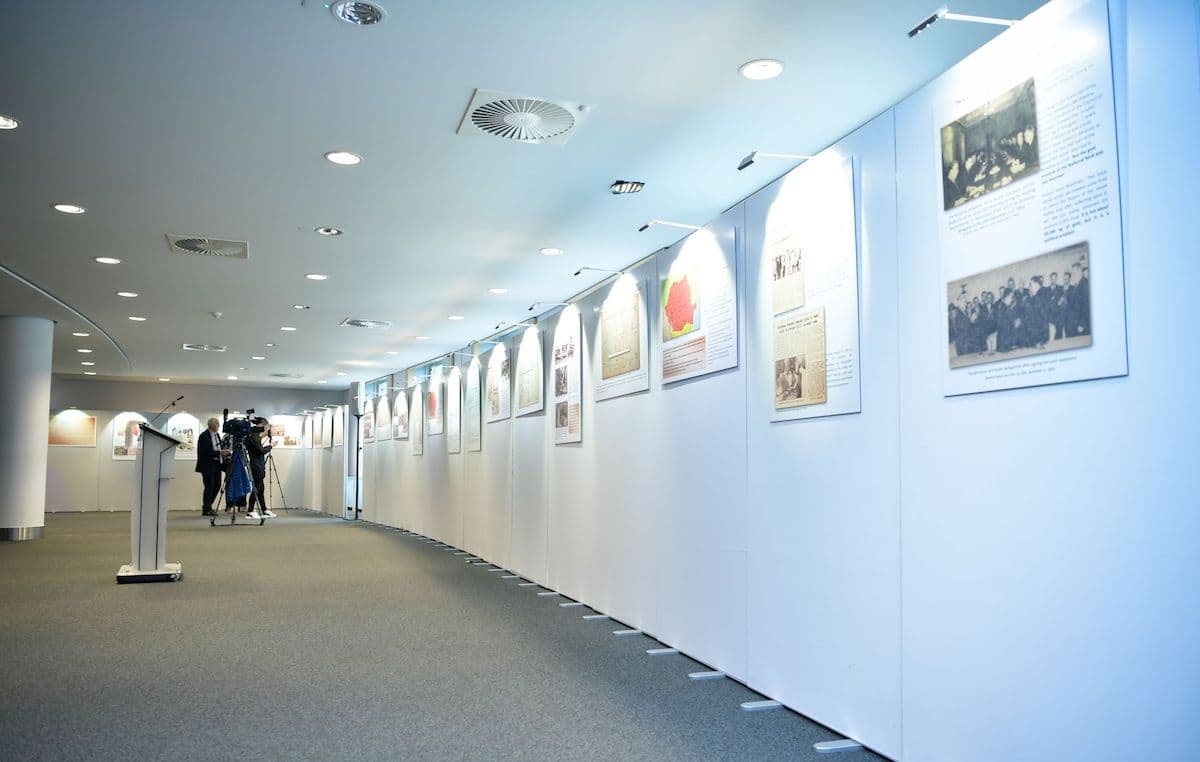
The exhibition "The Gold Treasure of the National Bank of Romania sent to Moscow and never returned - a claim more than a century old" was inaugurated at the European Parliament headquarters in Brussels on March 5. It is on show for three days, during which historical evidence, documents, legal evidence, and the commitments of both the Russian and Romanian parties regarding the 91.5 tons of fine gold sent to Moscow are presented.
Romania’s central bank decided to support the initiative of Romanian MEP Eugen Tomac, with the backing of the group of Romanian MEPs, to bring the subject to the attention of the European institutions.
The opening event of the exhibition was attended by numerous MEPs from all political groups, both Romanian and from partner countries.
"The BNR Treasure sent to Moscow, deposited in an allied country, along with all relevant documents, based on an international agreement, recognized and validated by history, represents a unique case where the monetary gold reserve is entrusted with all official documents and deposit guarantees according to which it would be returned at any time upon the owner's request, only for the depository then not to fulfill these obligations, assumed according to all international norms and customs," argued Mugur Isărescu, Governor of the BNR, cited in the press release.
Romania entered WWI in August 1916, joining France, the United Kingdom, and Russia. After the initial victories, Romania’s situation became increasingly challenging, as it fought a two-front war against Germany and Austria-Hungary in the northwest and Germany, Bulgaria, and the Ottoman Empire in the south, along the Danube.
In December 1916, the Romanian army was forced to retreat to Moldavia and cede two-thirds of the country’s territory, including Bucharest, its capital city. All central institutions — the Royal House of Romania, the parliament, the government, and the National Bank of Romania — relocated to Iași, BNR showed in an article in Politico.
To keep its gold reserve safe, Romania sent it to Moscow, the sole ally with which Romania shared a common border. Queen Marie of Romania was also Tsar Nicholas II’s first cousin. The 91.5 tons of gold, in coins and ingots, was shipped to Russia in two stages.
When the Bolsheviks seized power in October 1917, Romania’s diplomatic representative was arrested, and the treasure and Romania’s cultural and historical valuables that had been transferred to Moscow were confiscated.
Free newsletters
Romania, in your inbox before your first coffee.
Get the Daily — the morning briefing, free, in English, unsubscribe anytime. Want business, real estate or travel digests too? Pick your newsletters →