Romanian film review – Breaking records: Transilvania International Film Festival 2017
The Transilvania International Film Festival, in short TIFF, has become an unmissable event and for many, the month of June and Cluj wouldn't be the same without it. The festival's sixteenth edition ended last Sunday and the country's…
Ioana Moldovan · Journalist
· Updated · 4 min read
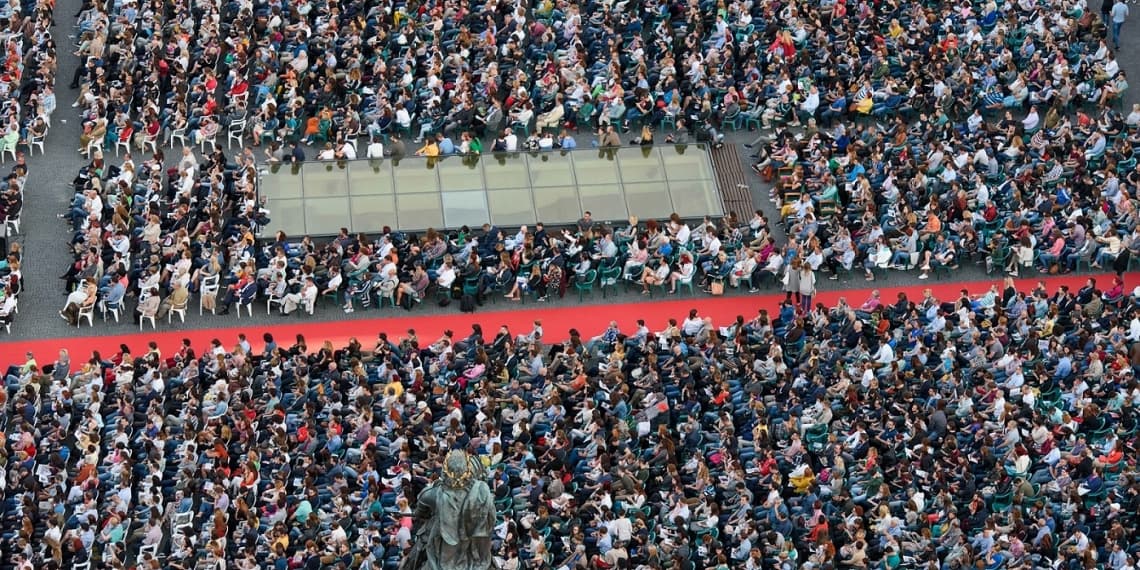
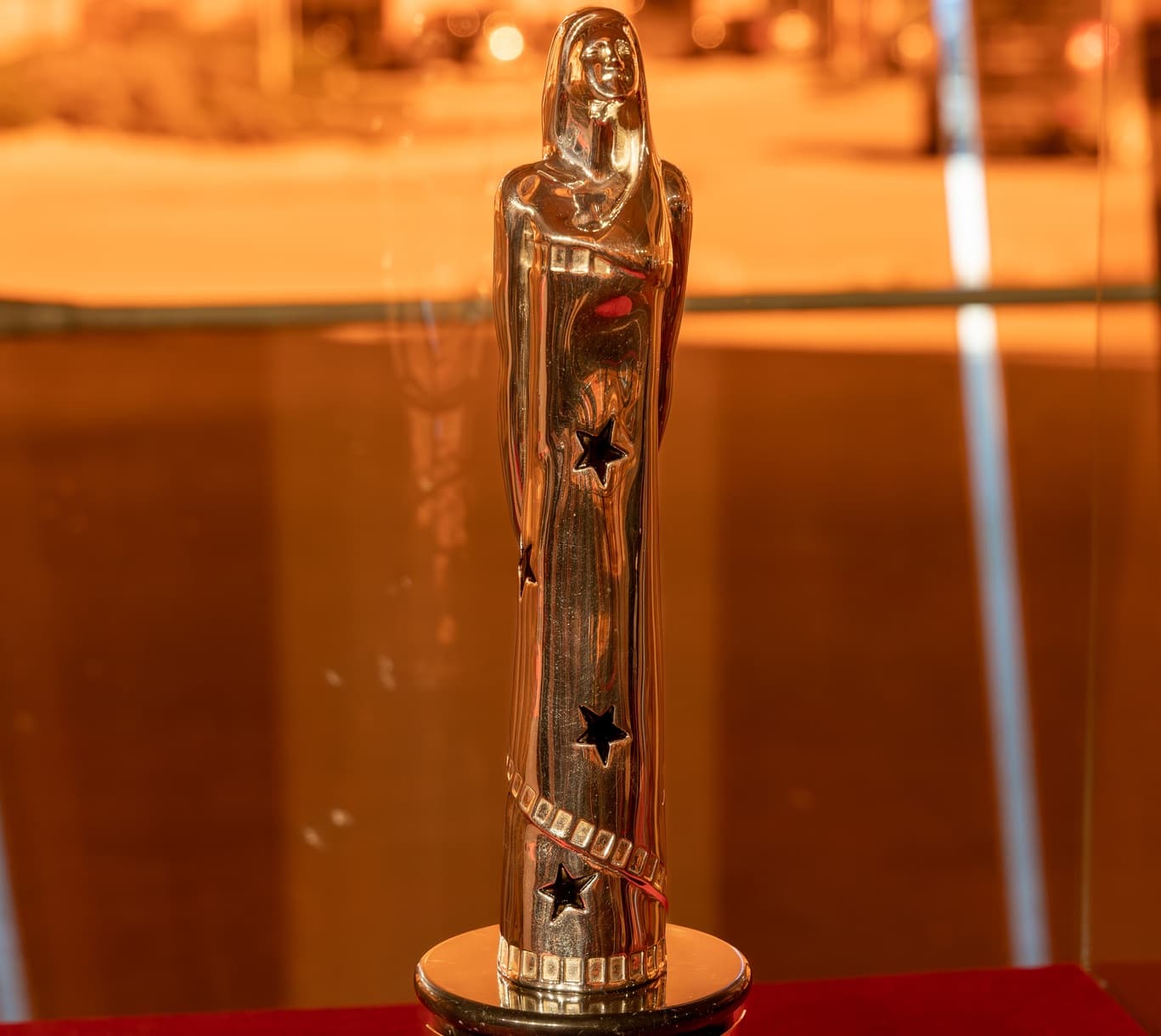
The Transilvania International Film Festival, in short TIFF, has become an unmissable event and for many, the month of June and Cluj wouldn't be the same without it. The festival's sixteenth edition ended last Sunday and the country's biggest film fest broke new records, having sold almost 100,000 tickets and counting roughly 1,200 Romanian and international guests.
The Romanian Days were, as usual, reliably exciting, with an army of national filmmakers storming the city for those days of the festival week. “The Romanians are coming” is the most current phrase you'd hear before the section kicks off each year on Thursday. And they are indeed, as filmmakers, industry professionals and ticket-buyers flock to Cluj. The (mostly) sold-out venues and the lively discussion rounds after the screenings are proof that the industry is alive and kicking, despite the acute problem of financing cinema in this country.
The Romanian Days include a mix of already released and new titles competing for the Romanian Days trophy. The winner is, unsurprisingly, Radu Jude's exquisite Scarred Hearts/Inimi cicatrizate, a visually rapturous period film. Other already-awarded titles include Adrian Sitaru's lean, thoughtful The Fixer/Fixeur; Andrei Dăscălescu's audience darling Planeta Petrila/Planeta Petrila; Cosmin Bumbuț and Elena Stancu's relevant, moving The Last Kalderash/Ultimul căldărar; Gheorghe Preda's eye-opening, fascinating Camera Obscura; and Călin Peter Netzer's multi-awarded troubled love story Ana, Mon Amour. An honourable mention also goes to Șerban Georgescu's endearing, earnest and ultimately heartbreakingCabbage, Potatoes and Other Demons/Varză, cartofi și alți demoni. In an experiment to try to find out what is costs to plant potatoes and cabbage in the country's most prolific area for these crops, near Bucharest, Georgescu moved to the countryside and did just this. What he discovered about why agriculture is a failing business in Romania makes you want to hit your head against the back of the seat in front of you, a not illogical consequence of communism-indebted thinking, but just as infuriating. You'll never look at your cabbage the same way again.
Free newsletters
Romania, in your inbox before your first coffee.
Get the Daily — the morning briefing, free, in English, unsubscribe anytime. Want business, real estate or travel digests too? Pick your newsletters →