Romanian film review – Love and Need: Ana, Mon Amour
The winner of this year’s Silver Bear for best editing at the Berlinale premiered in Romania recently. A shattering story of a troubled relationship, Ana, Mon Amour is a strong film to stomach but one which looks personal and societal…
Ioana Moldovan · Journalist
· Updated · 3 min read
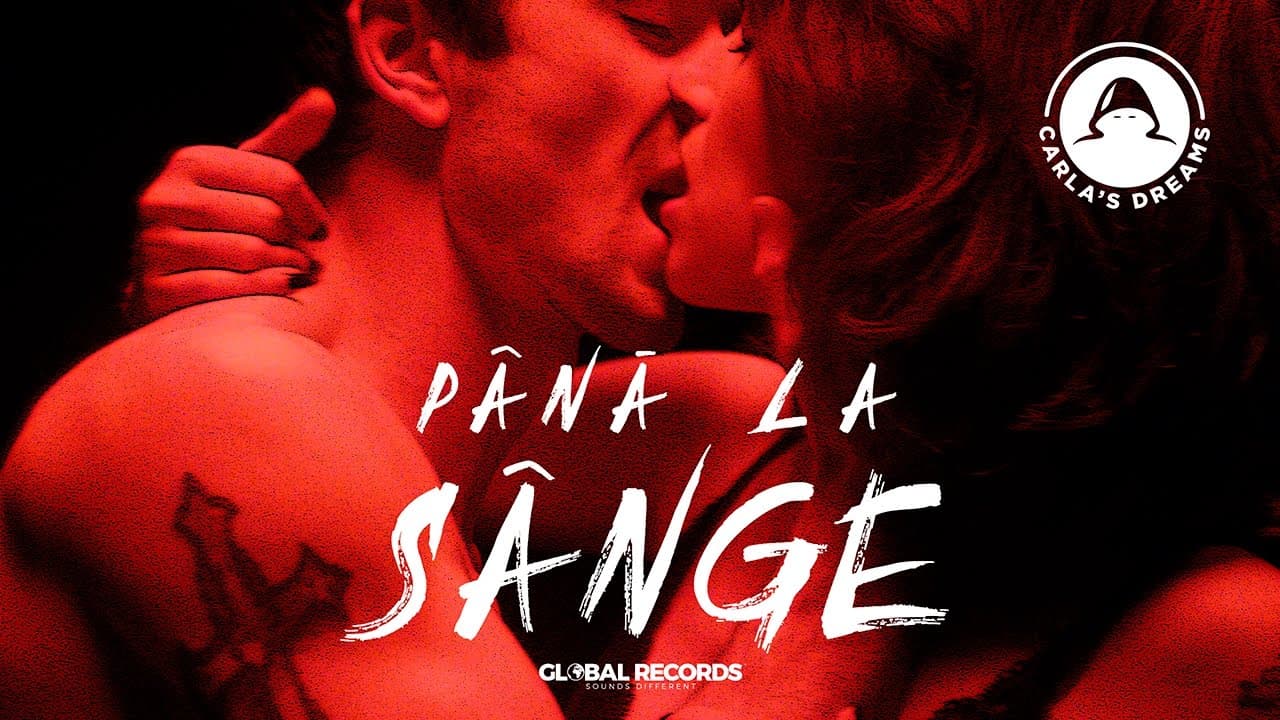
The winner of this year’s Silver Bear for best editing at the Berlinale premiered in Romania recently. A shattering story of a troubled relationship, Ana, Mon Amour is a strong film to stomach but one which looks personal and societal malaise straight in the eye, and thus very much worth your time.
Based on Cezar Paul-Bădescu’s novel Luminiţa, mon amour, the film focuses on Ana and Toma, who stumble into a passionate relationship as students and end up getting married and having a child. So far so good, but the problem is that Ana suffers from severe anxiety and its possible causes may be of the most serious kind. Paul does more than humanly possible to support her, and when she seems to finally get better, Toma gets worse, and the fractures in their marriage are too deep to mend. The biggest question here is the sometimes blurry line between love, codependency, and neediness, a question which permeates all relations in the story.
Ana, Mon Amour is Călin Peter Netzer’s first film after the smashing critical and audience success of his thrilling 2013 Child’s Pose/Poziţia copilului, and the expectations were running high. Unfortunately, Ana, Mon Amour is not as satisfying although the actors and the technical package are perfect. While its parts are often very good, the sum fails to keep the audience continuously engaged, especially emotionally. Simply put, it lacks the drive of his previous effort and its clear focus. The story is told in episodes, shifting constantly between different moments in time, which may explain the difficulty of keeping an emotional and narrative pull. Netzer is also aiming very high with the picture, tackling not just one but a few hot potatoes, from mental illness to psychoanalysis, to familial relations, different forms of abuse, and religion (also in its institutional form). The inevitable effect is that some aspects come across as disappointingly superficial or obvious (the dialogue also falls prey to this approach, often stumbling into cliché territory). What I also found problematic is the fact that the only perspective we have on the whole affair is Toma’s. Netzer stated in an interview that he decided to tell the story from the perspective of the male protagonist, but even so, by keeping Ana reduced to her fits and problems, we can only assume what makes him act and feel the way he does, which may be validated by the story's development, but still makes for a somehow incomplete picture of a relationship this long and all-consuming. In a strong turn at the end, though, we do get to see Ana’s as well, and then the balance shifts, making us reconsider some of our feelings on Toma’s actions. Just like with this moment, the things
Free newsletters
Romania, in your inbox before your first coffee.
Get the Daily — the morning briefing, free, in English, unsubscribe anytime. Want business, real estate or travel digests too? Pick your newsletters →