Romanian film review – Holding a mirror to the world: One World Romania
“The tenth year. We'll get over our fear.” This was the (rhyming) motto of this year's One World Romania, turning ten. From its very beginning a dedicated, no-nonsense documentary festival on human rights, the project has grown (up)…
Ioana Moldovan · Journalist
· Updated · 4 min read
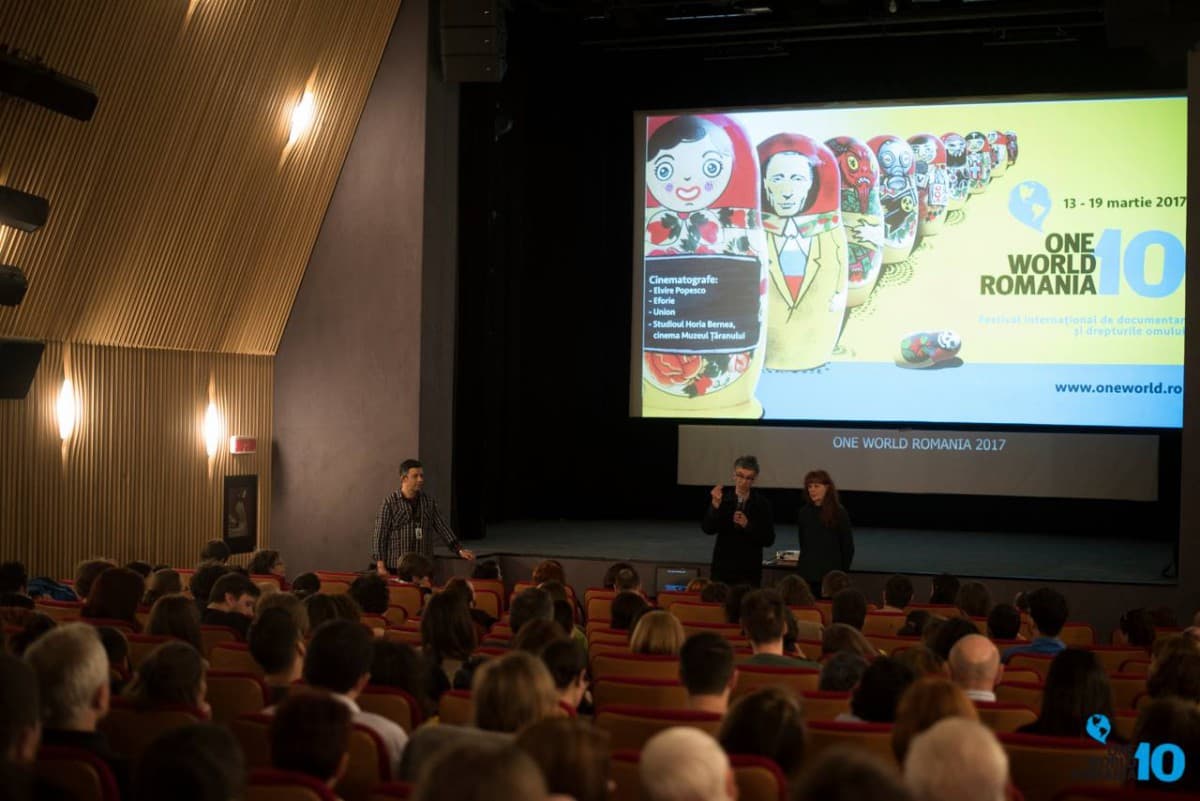
“The tenth year. We'll get over our fear.” This was the (rhyming) motto of this year's One World Romania, turning ten. From its very beginning a dedicated, no-nonsense documentary festival on human rights, the project has grown (up) beautifully, and its anniversary edition (from 13 to 19 March in Bucharest) more than delivered.
Like every year, the selection is so good and varied that I wouldn't know where to start, so I will simply begin with the winner. The festival awards one title only, and this year it was a Czech observational documentary on autism. Normal Autistic Film follows five children and teens with different degrees of Asperger syndrome, and does it with patience, respect, and great empathy, also posing thought-provoking questions on what is normal.
The selection is organised in thematic categories and Normal Autistic Film was screened in “Diseases of the Health Systems”. Other sections include “Political Animals”, “Ministry of Fear”, or “Against the Tide”, while the festival's side-events include debates on some of these highly relevant topics – especially in Romania –, the fears many or some of us experience daily: the crisis of the health system, discrimination against same-sex couples, domestic violence. True to its profile, One World Romania dedicates just as much importance to discussions as it does to cinema, and each film is followed by a talk between audience and either the filmmakers or an expert on the particular topic. There is generous time for questions and answers (it's not an exception that some discussions go on for more than an hour), and these are always on point, and often revelatory.
These section are comprised of international entries, some of them with an impressive collection of awards, like Samuel in the Clouds, a poetic take on global warming from a personal perspective (in case you didn't know you could ski in the Andes, now you do), or Tower, a tense mix of animation and live-action which re-enacts the 1966 mass shooting at the University of Texas. The most lingering impression was left by Kirsten Johnson's Cameraperson, an incredibly ambitious study on cinema and being human. Johnson has worked as a cinematographer for 25 years, working on such Oscar-winning documentaries as
Free newsletters
Romania, in your inbox before your first coffee.
Get the Daily — the morning briefing, free, in English, unsubscribe anytime. Want business, real estate or travel digests too? Pick your newsletters →