Romanian film review – Crossing borders: European Film Festival
The 21st edition of the European Film Festival has just ended in Bucharest and hit the road to Iași, Gura Humorului, Târgu Mureș, and Timișoara. With a new artistic director (industry professional Alex Trăilă) and a more focused motto,…
Ioana Moldovan · Journalist
· Updated · 3 min read
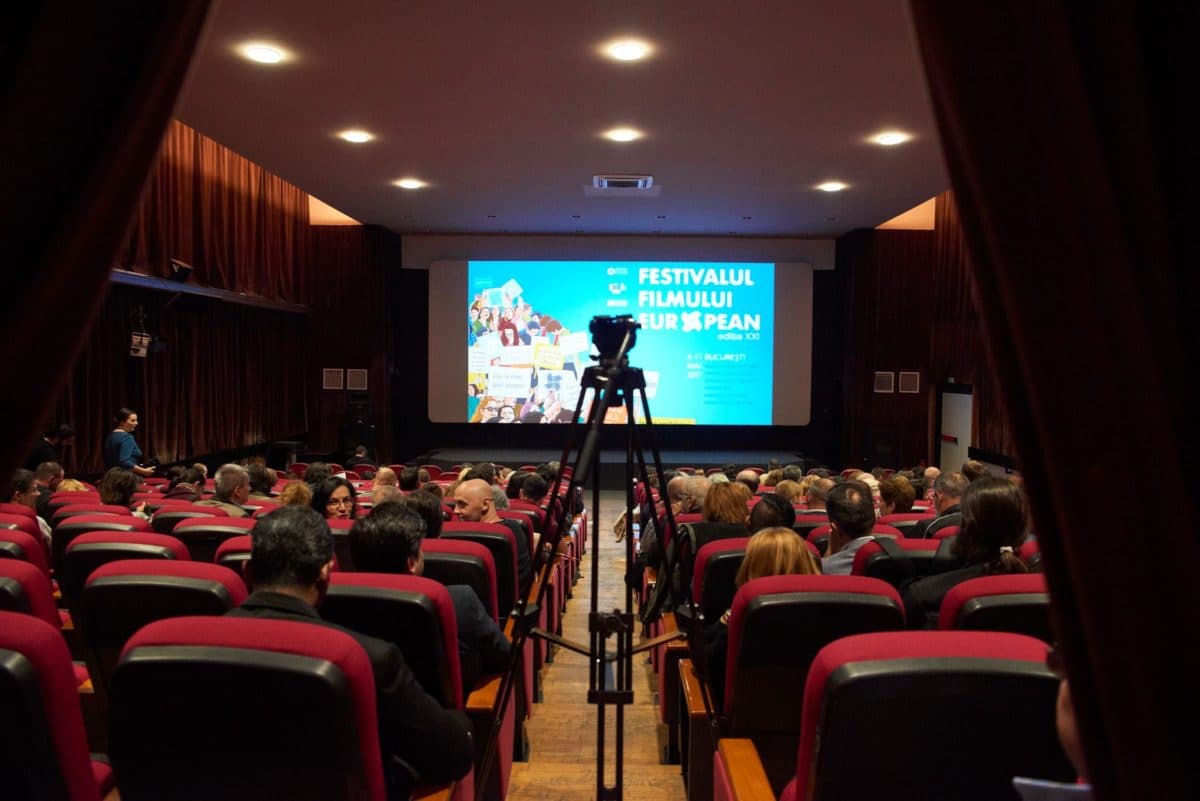
The 21st edition of the European Film Festival has just ended in Bucharest and hit the road to Iași, Gura Humorului, Târgu Mureș, and Timișoara. With a new artistic director (industry professional Alex Trăilă) and a more focused motto, stressing the artists' role in shaping public opinion and mirroring society, the line-up is as solid as expected, while the side events are dedicated to acutely relevant issues, such as human trafficking (prompted by the screening of Adrian Sitaru's Fixeur/The Fixer).
Organised by the Romanian Cultural Institute and backed by EUNIC, the European Union National Institutes for Culture, the event showcases the year's most lauded European productions, and also some of its most stirring ones, proving that despite our differences and the eclectic form of cinematic approaches, there are more things that unite than divide us – all the problems and challenges of our daily lives, no matter in which context they happen to unfurl.
The Romanian section is comprised of new releases such as Gabriel Achim's black comedy Ultima zi/The Last Day, and audience hits like the droll Două lozuri/Two Lottery Tickets or the absolutely fabulous Toni Erdmann (if you STILL haven't seen this German-Romanian co-production about a prankster visiting his corporate-captured daughter in Bucharest, here's your chance).
The international selection is so good that any title would be worth your time. There are a few stand-outs, however, and for me the absolute highlight is Notes on Blindness, a remarkable British film about theologian John Hull who documented his advancing blindness in the 1980s, recording his thoughts and feelings, turning to both philosophy and theology in order to meditate on the meaning of one's life on earth. It's an immensely moving picture which lingers long after the end credits have rolled.
Strong emotions seem generally to be a marker of the films selected, and the multi-awarded Finnish debut The Happiest Day in the Life of Olli Mäki is another highlight, a pitch-perfect love story about a boxer rising to fame in the 1960s and whose moment of glory just happens to coincide with him falling deeply, irremediably in love.
Free newsletters
Romania, in your inbox before your first coffee.
Get the Daily — the morning briefing, free, in English, unsubscribe anytime. Want business, real estate or travel digests too? Pick your newsletters →