Romanian film review – September Delights @Cinema Elvire Popescu
As I was scrolling through Eventbook, the ubiquitous ticket-selling platform for most cultural venues in Romania, the first banner read: “Cinema Elvire Popescu, the best-attended arthouse theatre in Romania”. I did smile at the…
Ioana Moldovan · Journalist
· Updated · 3 min read
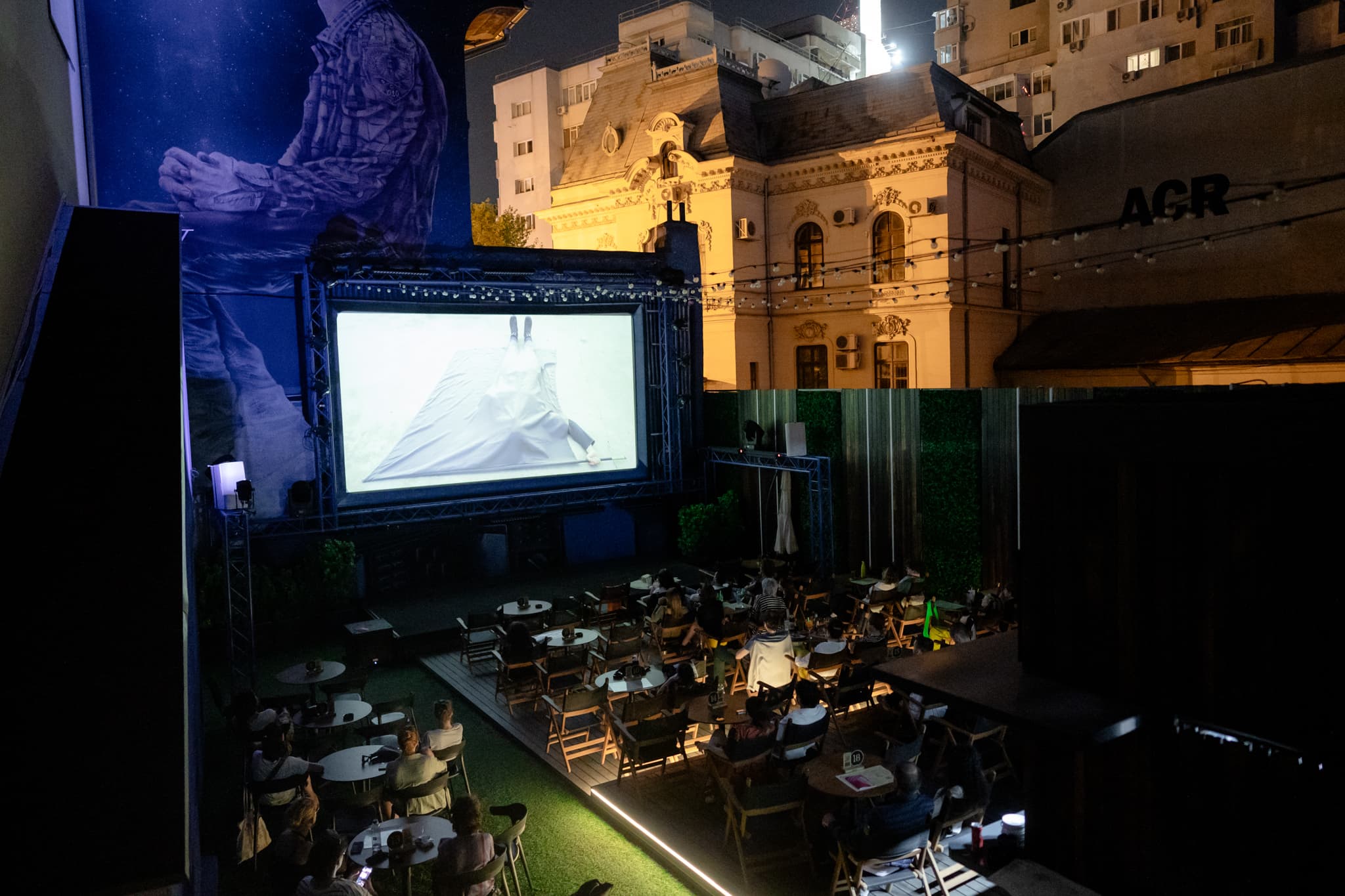
As I was scrolling through Eventbook, the ubiquitous ticket-selling platform for most cultural venues in Romania, the first banner read: “Cinema Elvire Popescu, the best-attended arthouse theatre in Romania”. I did smile at the straightforward (I assume) self-praise, but I can very well image this to be a simple statement of a fact, and for so many reasons. The cinema, belonging to the French Institute in Bucharest, has had a very solid arthouse programme for many many years, matched by its great technical set-up. Recent years have brought an even more daring, more auteur-focused selection. It also hosts many of the film festivals in Bucharest.
Right now, it is Bucharest International Dance Film Festival (BIDFF), celebrating its 10th anniversary. ‘Mapping Bodies’ is this year’s motto, a proposal to look at bodies in a post-pandemic age of political discussions, military threats, and the galloping development of AI. Three short film programmes, a best-of event, and several features make for a diverse, exciting programme. If I were to make a recommendation, it would be Antonella Sudasassi Furniss’ Memorias de un cuerpo que arde/ Memories of a Burning Body, a frank and very moving look at female sexuality and desire, told by three women who are now in their seventies.
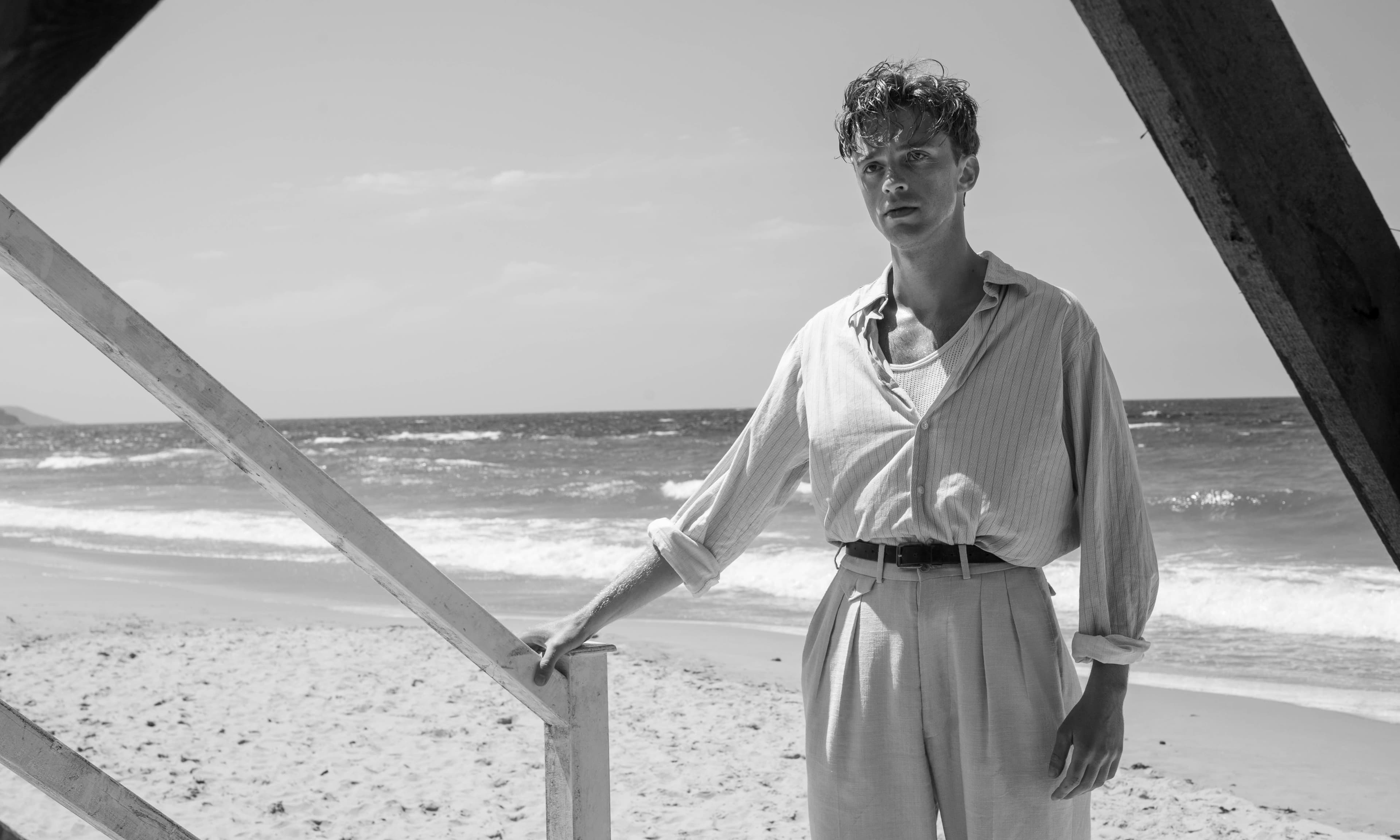
In between BIDFF screenings, you can find an homage to Alain Delon, one of the most iconic actors of all time, having passed away two weeks ago. Highly problematic in his off-screen statements, behaviour, and political affiliations, something that has been much-debated after his death – I think a welcome discussion of the general problem of the man vs. the myth – but also undeniably influential. Delon starred in some of cinema’s most revered and influential films in the 1960s and 1970s: Luchino Visconti’s The Leopard, surely one of the most beautiful films ever made; Michelangelo Antonioni’s The Eclipse; or Jean-Pierre Melville’s gangster and noir films. On 3 September, Elvire Popescu is showing René Clément’s Plein soleil/ Purple Noon (1960), a gorgeous, sinister thriller, based on Patricia Highsmith’s novel The Talented Mr Ripley, probably made most famous by Anthony Minghella’s 1999 version, starring Matt Damon and Jude Law. Netflix just-released mini-series Ripley
Free newsletters
Romania, in your inbox before your first coffee.
Get the Daily — the morning briefing, free, in English, unsubscribe anytime. Want business, real estate or travel digests too? Pick your newsletters →