Romania still ways away from Schengen despite prolonged wait
Romanians may still have to wait for the day when they will be able to travel to other EU countries without showing their ID at the border as Romania's Schengen bid still faces resistance, despite formal endorsements from the European…
Radu Dumitrescu · Journalist
· Updated · 4 min read
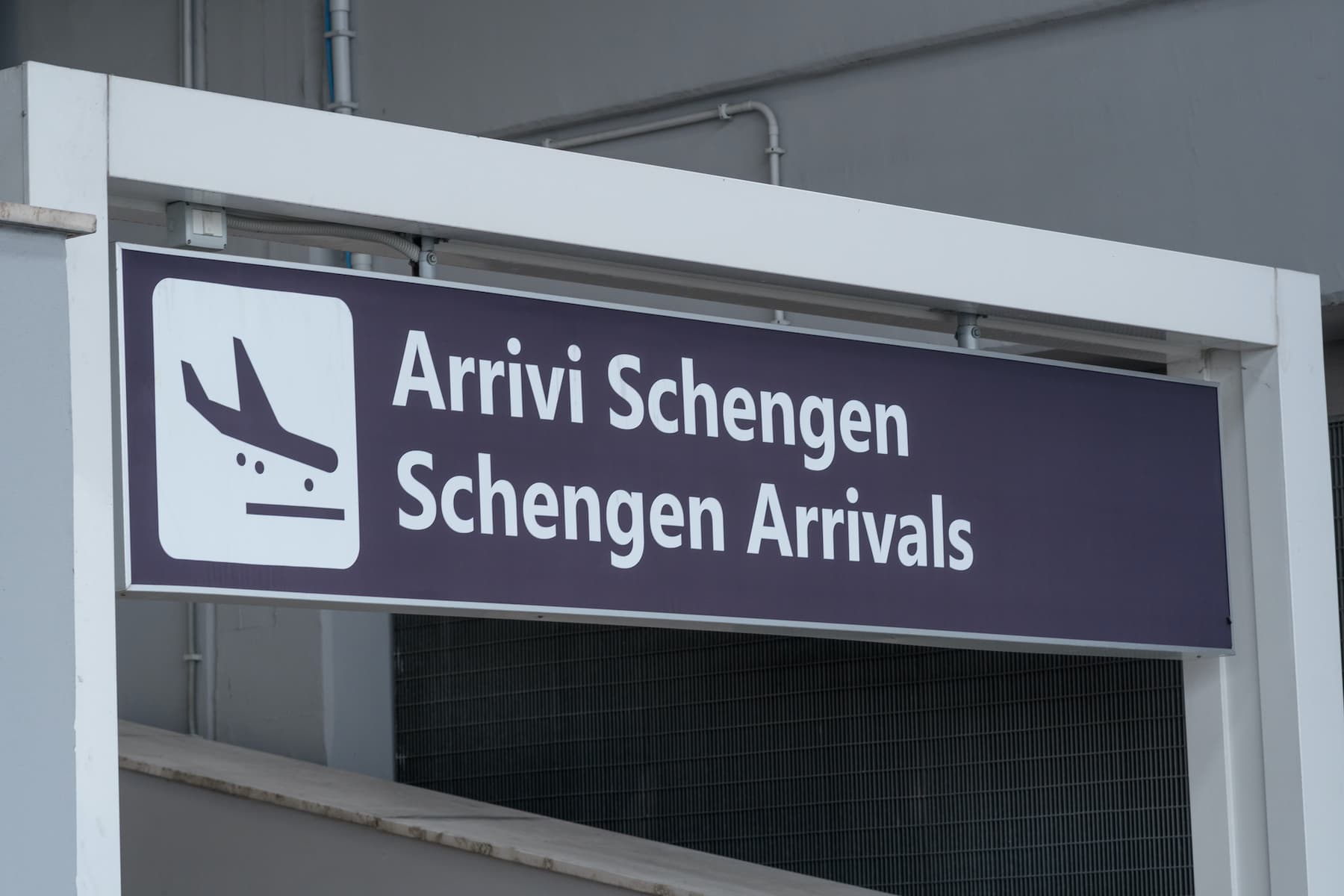
Romanians may still have to wait for the day when they will be able to travel to other EU countries without showing their ID at the border as Romania's Schengen bid still faces resistance, despite formal endorsements from the European Commission and European Parliament.
Since it joined the EU in 2007, Romania has eagerly asked to be accepted into the EU’s border-free Schengen area. Despite fulfilling membership criteria, Romania has been kept out by countries concerned over its corruption and ability to protect EU borders.
The European Commission recentlyreiterated its recommendation that Croatia, Bulgaria, and Romania be admitted to the Schengen area. According to the Commission’s Schengen State Report, the first of its kind, the three countries fulfill all the criteria required to become Schengen members. A series of talks between members of the European Parliament and home affairs ministers will follow in June, after which a new list of priorities for the next year will be put together.
Schengen is aborder-free area that ensures the free movement of over 400 million EU citizens and non-EU nationals within the Union without border checks. In 1985, the Benelux Economic Union, the French Republic, and the Federal Republic of Germany signed an agreement on the gradual abolition of border checks in the small Luxembourgish town of Schengen. A subsequent Convention was signed in 1990, followed by implementation starting in 1995.
Overall, Schengen also includes cross-border police and judicial cooperation and a certain degree of legislative harmonization on entry and visa conditions. The area ended mile-long queues between France and Germany. People and goods could travel between Schengen countries without showing any ID.
Throughout the years, more and more countries were added to the Schengen area. Most EU countries (along with non-EU states like Iceland, Norway, Switzerland, and Liechtenstein) are now part of Schengen, except Bulgaria, Croatia, Cyprus, Ireland, and Romania.
The Commission’s recommendation is just the latest episode in along-running story. Romania, together with Bulgaria, started preparations for Schengen membership simultaneously with its application to join the EU, in 2000. A year later, Romania formulated its Schengen Action Plan. Between 2002 and 2004, the Romanian government and EU officials negotiated the country’s path to the EU and Schengen. The former took place in 2007.
Free newsletters
Romania, in your inbox before your first coffee.
Get the Daily — the morning briefing, free, in English, unsubscribe anytime. Want business, real estate or travel digests too? Pick your newsletters →