A multidisciplinary cultural, artistic and scientific team is creating the first Museum of the Romanian Seaside
A team of artists, theorists, anthropologists, and biologists started research at the Black Sea, in collaboration with international specialists in the field of digitization, preservation, and the artistic promotion of archives, with the…
Maiavankline · Journalist
· Updated · 3 min read
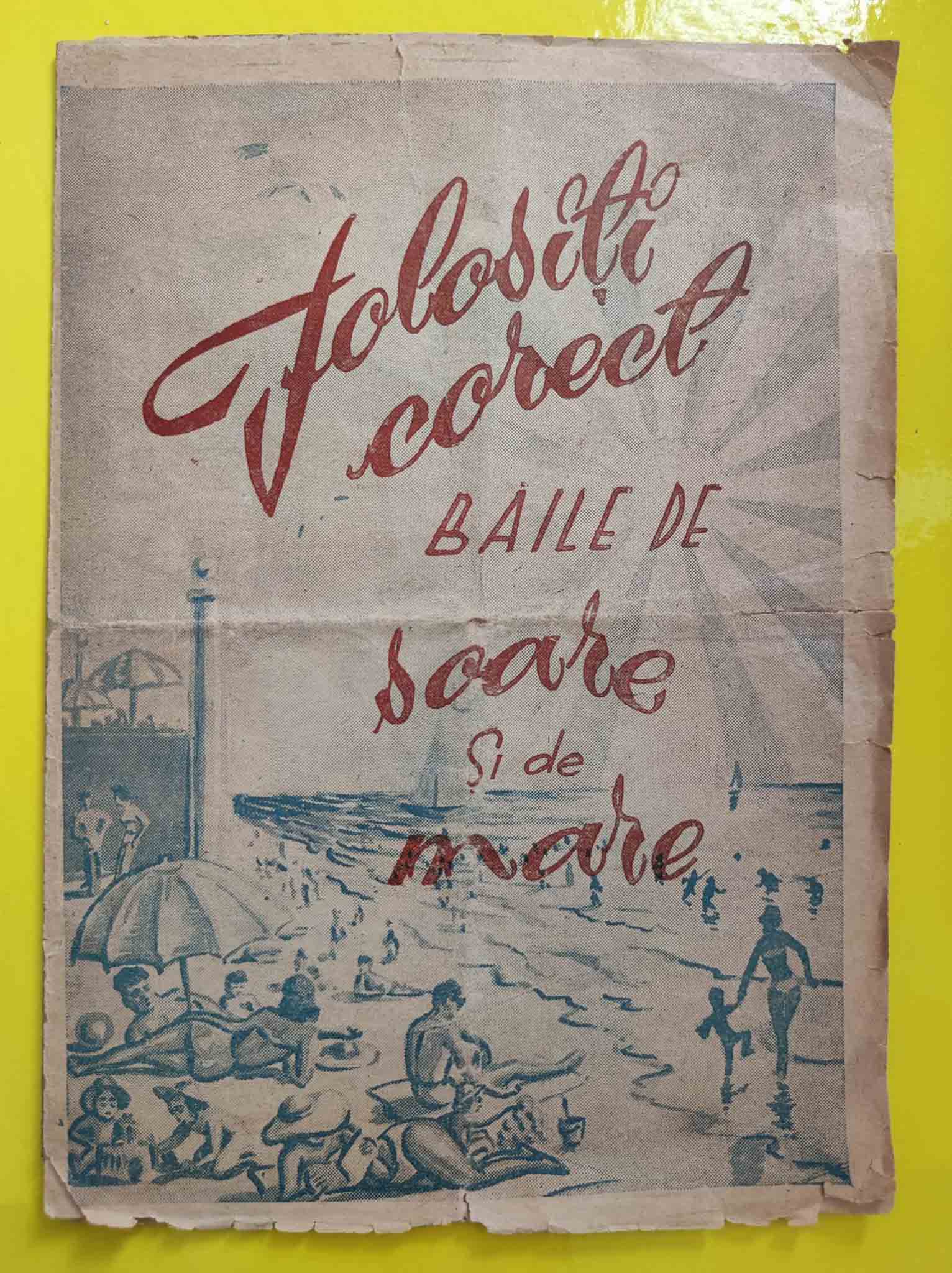
A team of artists, theorists, anthropologists, and biologists started research at the Black Sea, in collaboration with international specialists in the field of digitization, preservation, and the artistic promotion of archives, with the aim of creating a Virtual Museum of the Romanian Seaside.
The Seaside Archives project builds layer by layer, in images and narratives, the so-called Seaside City, the region that stretches along the seashore and encompasses the lives of both the seasonal and permanent inhabitants.
Launched in mid-July in Eforie Sud, the collaborative and transdisciplinary research of the Seaside Archives will extend over the next two years to Constanța and 2 Mai aiming to identify and digitize a significant number of collections of photographs and postcards, objects and documentary materials.
To these will be added the stories of the old resorts, resulting in a living archive of images, audio-video recordings, and objects, which will map the development of the Romanian coastline from the end of the 19th century to the communist and post-communist periods.
In addition, partner cultural institutes and diplomatic institutions, such as the Czech Centre and the Swedish Embassy in Bucharest, will initiate explorations in their own archives and in their countries of origin, in an attempt to find photographs of holidays spent here over time by foreign citizens.
The results of this research will be discussed in workshops and symposia organized in cities such as Eforie Sud, and Constanța, but also in important cultural centers in Bucharest, Cluj, and Iasi, where artists working with image and sound archives, internationally renowned archival specialists and anthropologists will be invited.
"In the postcards, we usually see a stretch of sand with buildings and people equipped according to the fashion of their time for swimming or sunbathing: with bonnets, lace umbrellas, sailor suits, Chio Chio San kimonos, or super-elastic communist briefs.
We enter into the depths of everyday, intimate life, beyond the postcards and waterfront leisure with the help of family photographs and the personal histories of the inhabitants who tell us their stories: From the brilliance of the water casino at Eforie Sud, unique in Romania, and its decline after the freezing winter that in 1928 turned the sea into an ice sculpture, to the cold wine consumed in the old days by the barrel, the mornings spent by children in the 60s and 70s carrying the luggage of German, Polish or Danish tourists, or the afternoons spent on the beach investigating the Russian concrete bunkers," says the press release from the project organizers.
In the long term, the team aims to give this virtual museum a physical body.
Free newsletters
Romania, in your inbox before your first coffee.
Get the Daily — the morning briefing, free, in English, unsubscribe anytime. Want business, real estate or travel digests too? Pick your newsletters →