Mărțișor: Discover the Romanian tradition of spring & most popular mărțișoare
Every year on March 1, Romanians celebrate the arrival of spring with a cherished tradition known asmărțișor. Marking the transition from winter to warmer days, this custom symbolizes renewal, love, and respect. Discover this special…
RI Newsroom · Journalist
· Updated · 3 min read
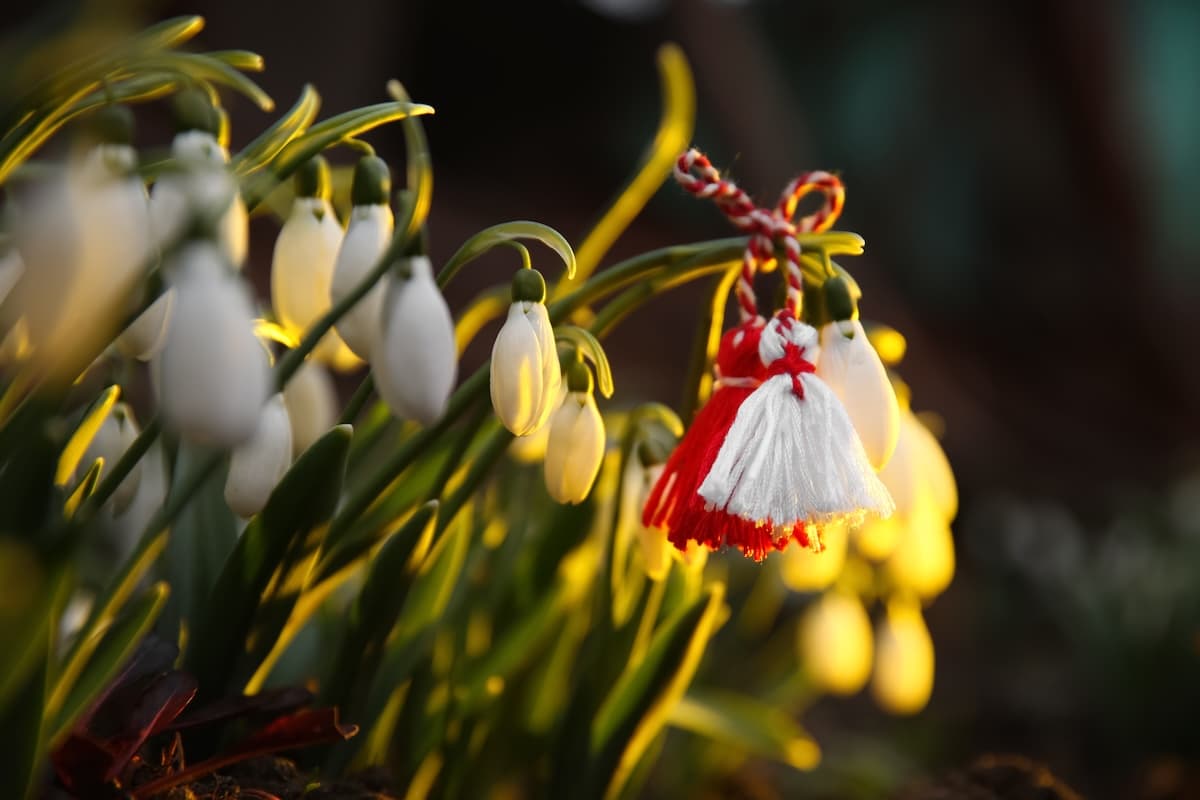
Every year on March 1, Romanians celebrate the arrival of spring with a cherished tradition known asmărțișor. Marking the transition from winter to warmer days, this custom symbolizes renewal, love, and respect. Discover this special Romanian tradition and the symbolism of the most popularmărțișoare.
- Mărțișor, the symbol of spring and renewal
An old tradition, the mărțișor was initially made of two intertwined threads, one red and one white, as a symbol of balance between opposing forces. The red represents warmth, passion, and vitality, while the white signifies cold, purity, and honesty.
Over time, the simple twisted wool evolved into a decorative item, often featuring figurines, charms, or handcrafted symbols of luck and prosperity.
Today, the March 1 celebration involves the exchange of mărțișoare - small trinkets or jewelry tied with a red and white string - given as tokens of appreciation and well-wishes for the season ahead.
Traditionally, men gift mărțișoare to women on March 1, and in some regions of Romania, women also offer them to men. These symbolic gifts are not limited to romantic partners but are given to family members, colleagues, and friends as gestures of respect and appreciation.
Many women still choose to wear their mărțișor pinned to their clothing or as a bracelet throughout March, believing that it brings health and strength for the coming year. At the end of the month, the red and white string is tied to a branch of a fruit tree, symbolizing the wish for a fruitful and prosperous future.
- The most popularmărțișoareand their meanings
While any item can become a mărțișor if adorned with the red and white string, certain symbols have become particularly popular due to their meanings:
Chimney Sweep – One of the most sought-after mărțișoare, the chimney sweep is believed to bring good luck and remove negative energy.
Four-Leaf Clover – A universal symbol of luck, each leaf represents hope, faith, love, and prosperity.
Free newsletters
Romania, in your inbox before your first coffee.
Get the Daily — the morning briefing, free, in English, unsubscribe anytime. Want business, real estate or travel digests too? Pick your newsletters →