Lee Miller’s Romania: Works of trailblazing photographer go on display at King Charles III’s House in Viscri
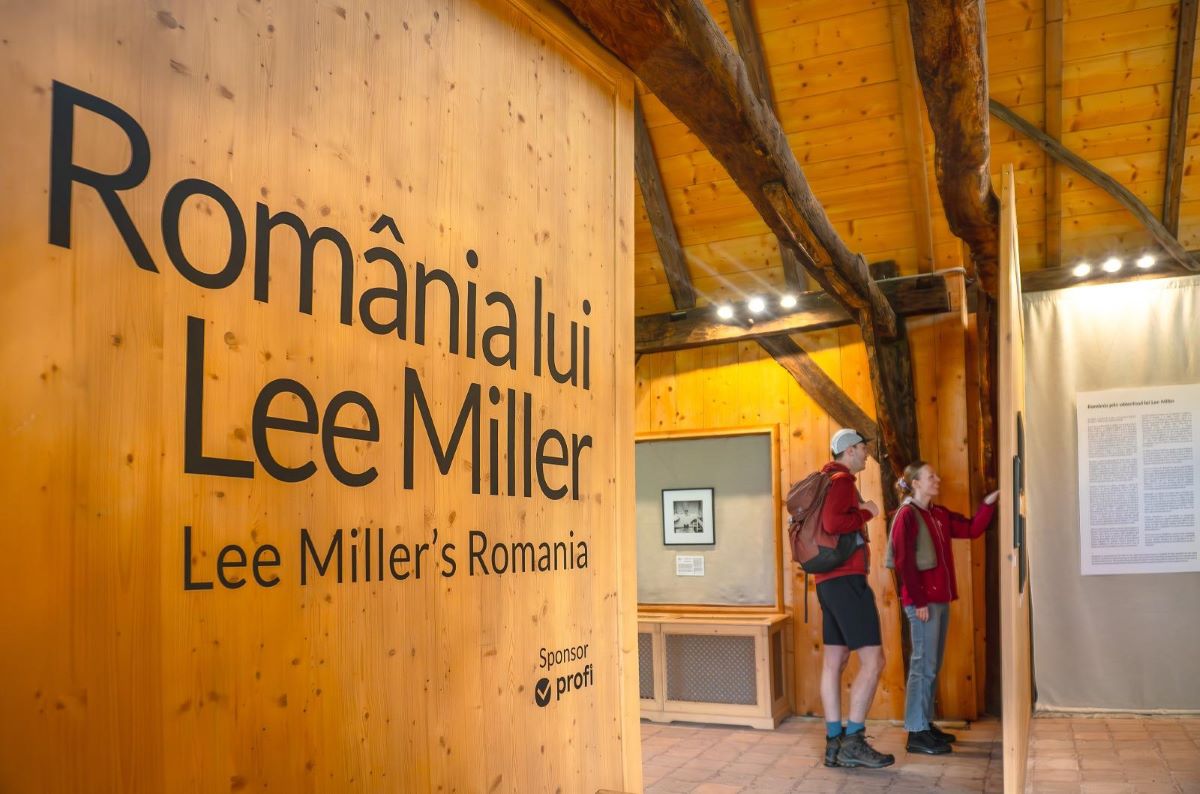
A landmark exhibition of works by the iconic photographer and war correspondent Lee Miller has opened at The King’s House in Viscri, in central Romania’s Brașov county.
Simona Fodor · Journalist
· Updated · 3 min read

A landmark exhibition of works by the iconic photographer and war correspondent Lee Miller has opened at The King’s House in Viscri, in central Romania’s Brașov county.
Titled Lee Miller’s Romania, the exhibition is billed as “the most extensive presentation of her work ever held in the country.”
Miller, the war photographer and muse of the Surrealists, traveled across Romania in 1938 and again in 1946, documenting village life, forgotten rituals, and historical personalities at turning points in the nation’s history.
On her first visit, she was accompanied by surrealist artist Roland Penrose, folklorist Harry Brauner, and artist Lena Constante. On her second trip, she was joined by Life magazine photographer John Phillips.
“Her images – vivid, technically exceptional, and deeply human – offer a unique, unfiltered look at Romania before and after World War II, capturing a country on the edge of profound political and cultural transformation,” a presentation of the exhibition reads.
”When Lee Miller and Roland arrived in a large Packard car with money to buy fuel and food, cameras and lots of film and the desire to see rural Romania, this was for Hari a surreal coincidence he could not resist. Miller and Penrose were acutely aware the Nazis were power mad and a war was coming. They knew Romania to be rich in oil, food, and other resources the Nazis would want, and they rightly predicted the country would be overrun. They wanted to see as much as they could before this happened and help Hari record the old ways before they were swept away by the tide of war,” Antony Penrose, Lee’s son and co-director of the Lee Miller Archives, explained.
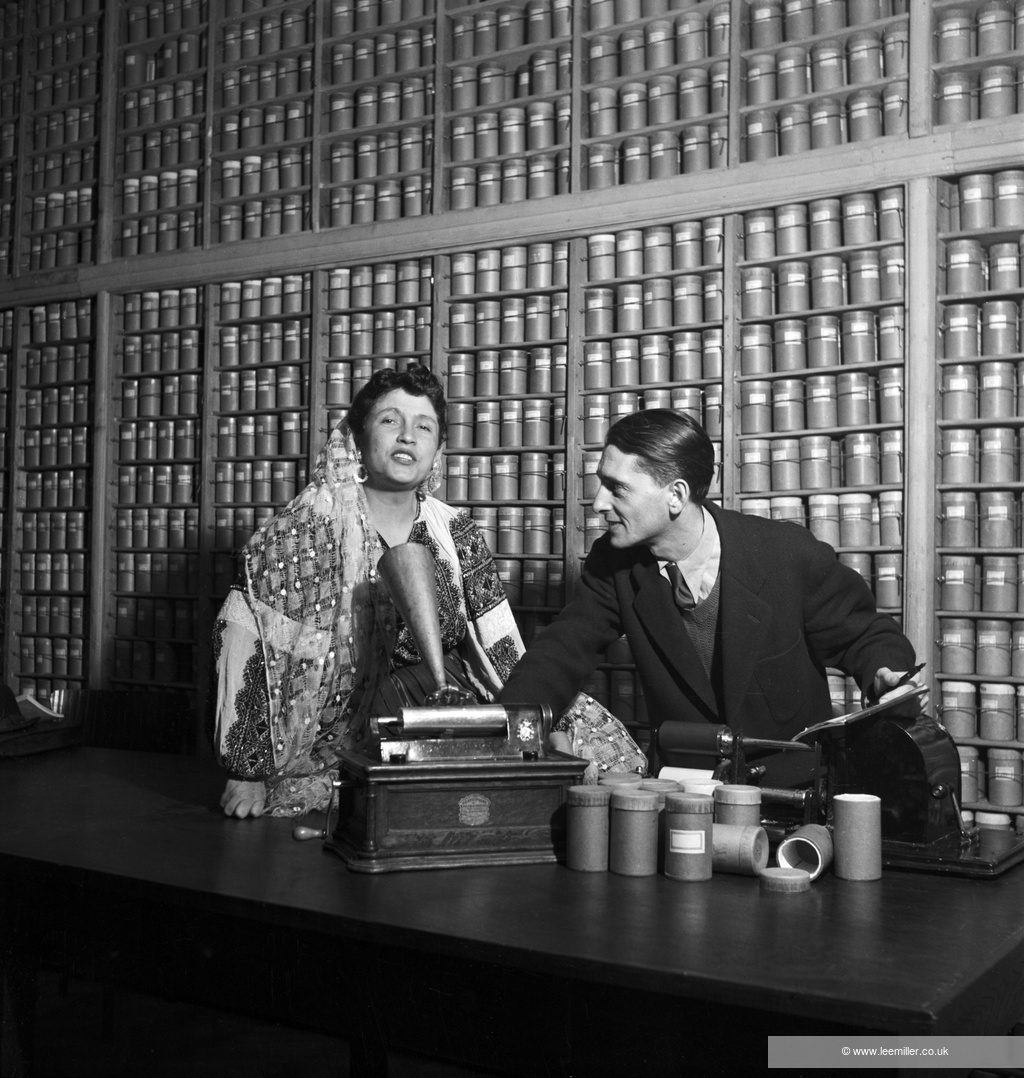
This comprehensive selection of 46 images includes photographs from Miller’s travels, capturing customs and communities that were largely unknown at the time, as ethnographers were only just beginning to research them and bring them to public attention.
”The most wonderful thing about Miller’s images of Romania in 1939 is the way she captures the innocence of the moment. Being a woman made her less threatening than a man, and she used a Rolleiflex camera, which she operated at waist level, so it was much less confrontational than the sort of camera you have to hold up to eye level,” Penrose adds.
Also on view at the King’s House in Viscri are her portraits of Queen Mother Elena, King Michael I, Iuliu Maniu, and Dinu Brătianu, some of the last ever taken before these figures were removed from the spotlight under the communist regime.
Free newsletters
Romania, in your inbox before your first coffee.
Get the Daily — the morning briefing, free, in English, unsubscribe anytime. Want business, real estate or travel digests too? Pick your newsletters →