Film review: A Summer of Nothing, If Pigeons Turned to Gold
Two distinctive voices, two beautiful, unflinching stories about learning to stand still and loving when it's hardest.
Ioana Moldovan · Journalist
· 3 min read
A Summer of Nothing/O vară de nimic was meant to be a different film. In the summer of 2020, filmmaker Alina Manolache went to the Greek island of Milos to document the initiative for the repatriation of Venus de Milo (from the Louvre museum in Paris). But as the campaign falls off the local list of priorities, the filmmaker suddenly finds herself without a subject and tries an experiment: to do absolutely nothing and make the movie about that. For a person whose identity is shaped by ambition and work, it turns out to be almost impossible; a particularly droll montage in a story filled with gentle humour skips through podcasts, talks and videos about letting go and the pressures of capitalism and performing.
A Summer of Nothing is actually a diary about everything, an intimate yet universal reflection on life, being a woman, and an artist. It is both grounded in a certain space and moment as well as a portrait of a generation in their 30s. It also expands its frame to talk with older women and teenage girls. One of these figures is Mady, herself someone who observes things through a lens, just like the director. A witty, high-spirited photographer and mother of three (among many other things) and a great dialogue partner to talk about life’s choices and surprises. The take on womanhood and girlhood is joyful and sharply perceptive in what it means to be in the world, including literal dangers, and so genuine for it. Just like resisting the romanticism of a Mediterranean island and holiday-related clichés. Time and space exist in the mundane, the repetitive, harbouring great beauty. The secret is to watch and listen. This is also the secret to Alina Manolache’s thoughtful, tender films: utmost attention to the world and warmth towards the people in it.
A Summer of Nothing is showing today in Bucharest at cinema Union, at MARe on 22 November, at Cinema Muzeul Țăranului on 6 December. Please keep an eye on these and more spots in Bucharest because screenings will be added. It will also travel to Timișoara on 26 November at Cinema Studio (and I assume more dates).
YouTube postOpen on YouTube
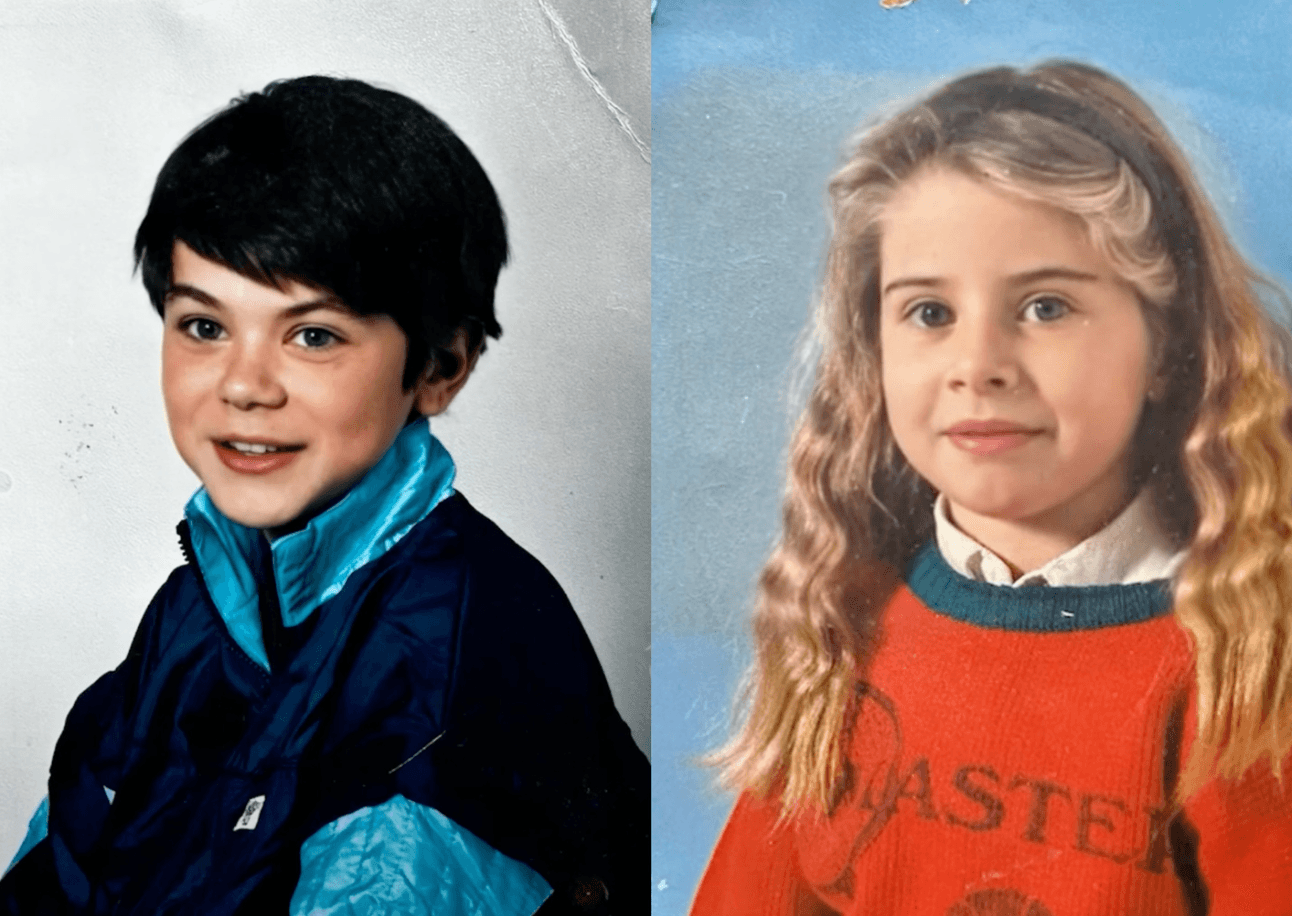
Another documentary recommendation comes from Sibiu’s Astra Film Festival. The event wrapped on site last week and you can watch a few of its films online until 8 November. I chose one title because it is one that touched me very much, and just like A Sommer of Nothing, it is a very personal film. Pepa Lubojacki’s If Pigeons Turned to Gold is a clear-eyed account of loving people who are addicted to alcohol in a family marked by it. The director follows several members of her family who live on the streets (on and off) and can’t get away from their addictions. Most time she spends with her brother David, whom she clearly adores, and who tests her understanding of love and support: can unconditional love offer this at any time? This heartbreaking struggle is at the heart of the film, and its greatest feat is to acknowledge its protagonists’ dignity and autonomy of choice, even if often ungraspable from the outside.
Free newsletters
Romania, in your inbox before your first coffee.
Get the Daily — the morning briefing, free, in English, unsubscribe anytime. Want business, real estate or travel digests too? Pick your newsletters →