Dragobete: Celebrate love and say ‘I Love You’ the Romanian way
Love is in the air in February and Romania has its own traditional celebration -Dragobete.Discover the charm of this local romantic holiday and surprise that special someone by saying ‘I love you’ in Romanian.
RI Newsroom · Journalist
· Updated · 3 min read
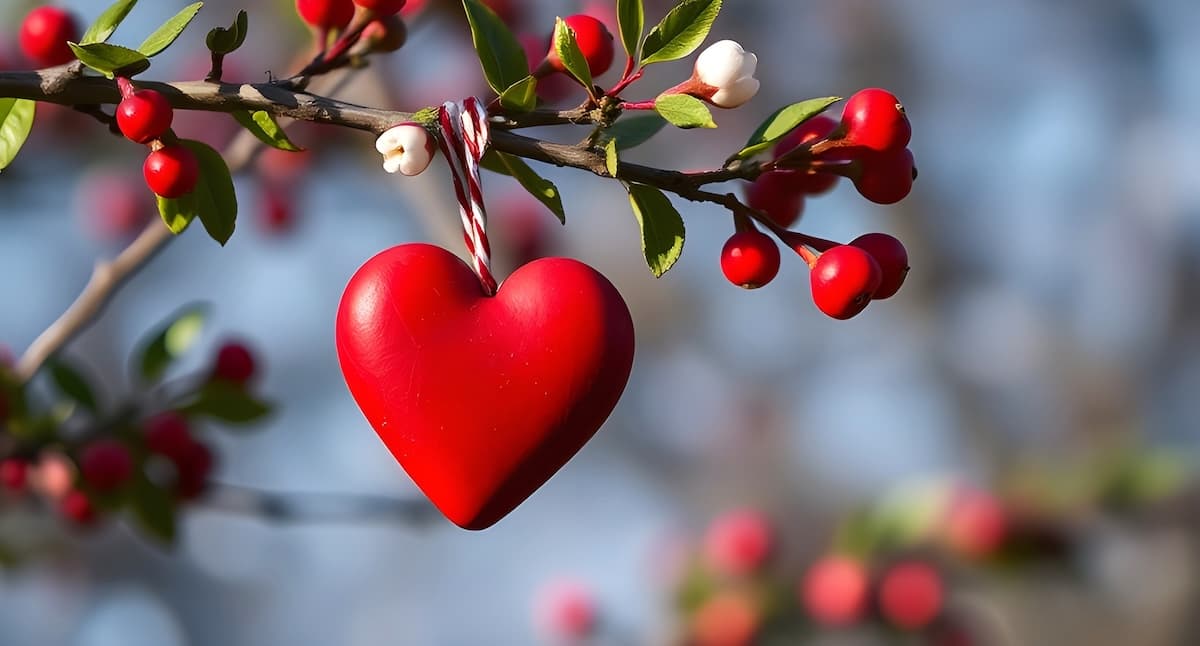
Love is in the air in February and Romania has its own traditional celebration -Dragobete.Discover the charm of this local romantic holiday and surprise that special someone by saying ‘I love you’ in Romanian.
- Celebrate love the Romanian way
While Valentine’s Day has steadily gained popularity in Romania over the years, the local celebration of love, Dragobete, remains a cherished tradition. Marked on February 24, ten days after Valentine’s Day, Dragobete offers a unique glimpse into Romania’s rich cultural heritage, celebrated with customs that have evolved over the centuries.
The holiday traces its roots to ancient Romanian folklore. The story goes that Dragobete was the son of the old lady called Baba Dochia, who marks the return of spring. Dragobete’s other name is the bird’s fiance or ‘head of the spring’, because it too marks the beginning of spring.
In traditional rural areas, Dragobete was a complex celebration, filled with rituals that involved both young men and women.
On this day, boys and girls dressed in holiday attire would gather in front of the church, ready to search for the first signs of spring. Their journey would lead them into the woods or meadows to collect spring flowers, which were thought to symbolize new beginnings and love. The gathering would culminate in a communal moment - sitting around a fire on the hilltops of their village to share stories and celebrate the season.
Girls would run back to the village, each pursued by a boy who had fallen in love with her. If a boy caught up with the girl he admired, and if she felt the same, they would share a kiss in front of the whole community. This public display of affection symbolized their engagement for the year ahead, and the phrase “Dragobete kisses the girls” (Dragobetele sărută fetele) became popular in Romanian culture.
Although many of the traditional customs have faded in modern times, a few have survived. In some rural areas, women are still encouraged to wash their faces with snow to ensure they will remain joyful and healthy throughout the year.
Another charming ritual involved unmarried girls eating a special salty bread made by the eldest woman of the house. The bread was said to make them thirsty, and that night, they would dream of their future husband bringing them water, a symbolic gesture of their forthcoming marriage.
Today,
Free newsletters
Romania, in your inbox before your first coffee.
Get the Daily — the morning briefing, free, in English, unsubscribe anytime. Want business, real estate or travel digests too? Pick your newsletters →