How a Romanian project plans to aid fundraising for public hospitals
A Romanian project highlighted in the recent #EUvsVirus hackathon plans to make the process of raising funds for public hospitals easier. The project, called Donescu, emerged out of the coronavirus crisis, but the team behind it wants to…
RI Newsroom · Journalist
· Updated · 4 min read

A Romanian project highlighted in the recent #EUvsVirus hackathon plans to make the process of raising funds for public hospitals easier. The project, called Donescu, emerged out of the coronavirus crisis, but the team behind it wants to develop it further.
We have talked to the people behind the Donescu project about the challenges of getting centralized data about the local hospitals' needs and how they want to develop the project even after the COVID-19 pandemic will be over.
At the end of April, the project of the Donescu platform won in the "Enable crowd to help financially" challenge of the Digital Finance section of the #EUvsVirus hackathon, an event aimed at identifying the best solutions to support the European and global in the fight against the coronavirus outbreak.
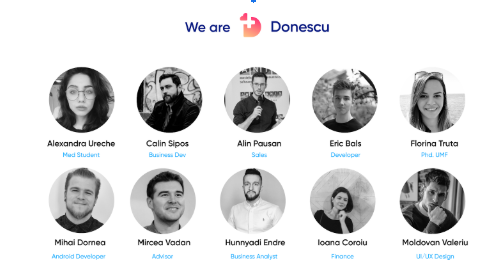
Developed by a team from Cluj-Napoca, in western Romania, Donescu proposes a marketplace-type donation platform that facilitates the matchmaking of hospital equipment needs to the suppliers and donors.
The solution is meant to smooth the donation process and make it fully transparent. The donors can see a centralized list of hospitals' needs they can choose from and track the donation process with the help of a dedicated feature. The equipment providers are assessed upon registering on the platform to avoid the risk of fraud.
The idea for the platform emerged from the work that members of the team did during the coronavirus crisis, volunteering to help hospitals in Cluj-Napoca. Ioana Coroiu, a member of the Donescu team who works with the Rotary Visio Cluj NGO, was involved this March in gathering donations and distributing them to hospitals in Cluj.
The process was not without its challenges. Significant funding was raised, but there was no consolidated and updated list of the hospitals' equipment needs. Local lists were published on various social media platforms but they weren't updated. The volunteers contacted the doctors and, after identifying the institutions' needs, wanted to donate the funds, to allow hospitals to make the acquisitions using their network of approved providers. But hospitals are required to make purchases using the public acquisitions platform, where payment terms were of ten days (down from the 60 days usually foreseen in a normal, non-pandemic period). In their turn, providers were faced with liquidity issues and were requesting down-payments of up to 50% of the value of the equipment. A blockage ensued, even though the hospitals had the funds to purchase the needed supplies.
The members of Rotary Visio decided to purchase themselves the equipment for the hospitals but were faced with another set of challenges. They needed to select and contact medical providers, pick the equipment, and take management of the entire acquisition and transport process, from transport documents to approvals for the transport of biocides.
Free newsletters
Romania, in your inbox before your first coffee.
Get the Daily — the morning briefing, free, in English, unsubscribe anytime. Want business, real estate or travel digests too? Pick your newsletters →