Discovering Northern Romania in search of Jewish roots
Many years ago, her father asked Peninah Zilberman why did she want to get the Romanian citizenship. “I want it back because it was taken away from you and mom.”
Diana Mesesan · Journalist
· Updated · 10 min read
Many years ago, her father asked Peninah Zilberman why did she want to get the Romanian citizenship. “I want it back because it was taken away from you and mom.”
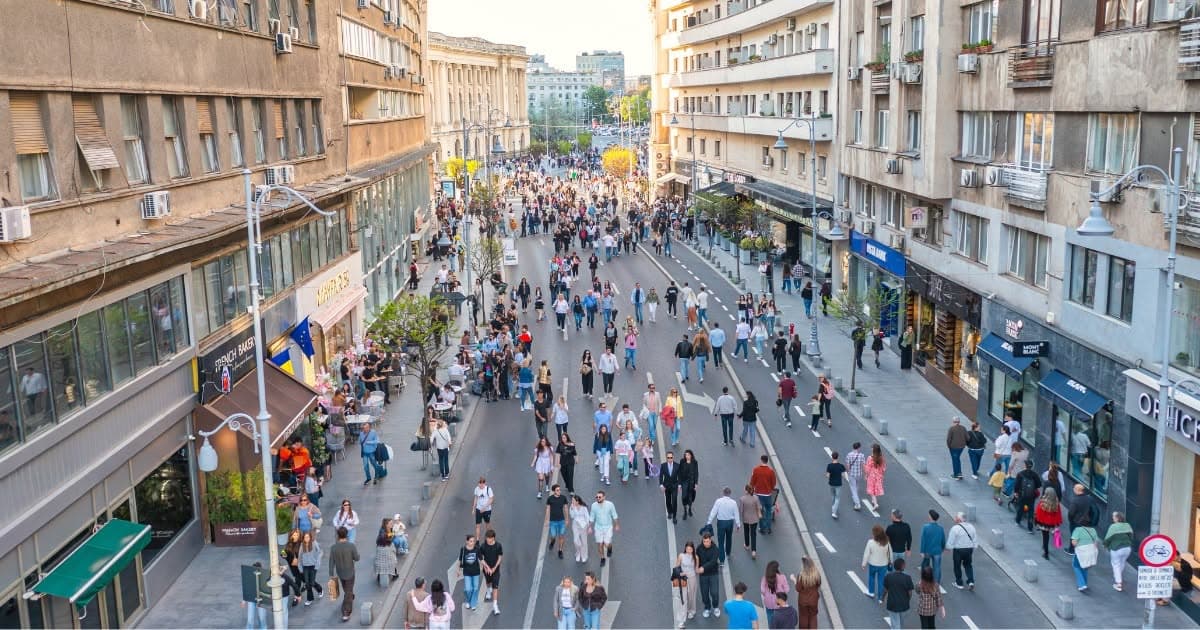
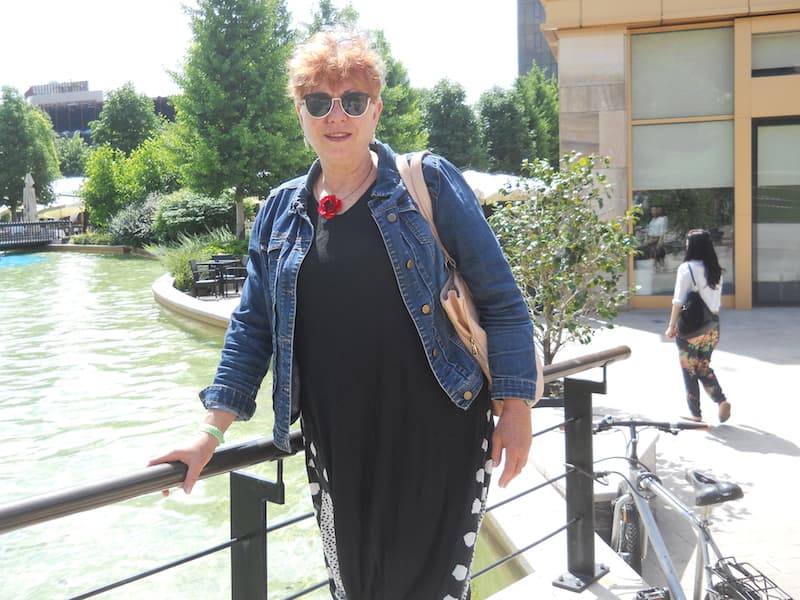
Peninah Zilberman first visited Romania in 1998. She was living in Canada at the time and applied for a 60-day open visa. She didn’t know how long she would stay in Romania. “My purpose was to understand the country and the people because I was brought up by my grandmother who lived in Bucharest from 1920 to 1945,” says Peninah. We meet in the lobby of a hotel in downtown Bucharest on a hot July day. Peninah speaks Romanian fluently. Although she has never lived in Romania’s capital, she is also familiar with many of Bucharest’s trademark places. Capsa Cafeteria, Calea Victoriei, Cismigiu Park, they were all part of her grandmother’s stories. “Wherever I went, it was a memory from home,” she recalls her first trip to Romania. Peninah Zilberman created the “Tarbut Sighet” foundation in 2014, which organizes trips to Maramures, a region in Northern Romania which hosted a large Jewish community before World War II. It was also home to Peninah’s maternal grandparents. The foundation also educates about Judaism, Holocaust, and Israel. Peninah grew up in Israel, but her first language was Romanian, as she spent her childhood in her paternal grandparents’ company, who were nostalgic about their years in pre-war Romania. “My grandparents did not leave Bucharest because they wanted, it was because of the war,” Peninah says. The grandparents from her father’s side were from Bucharest whereas those from her mother’s side were from Sighet, in the Maramures area. These are the places where Peninah’s family story started, including her mother and father meeting on a boat traveling to Israel after World War II ended.