Wildlife watching in Romania: how to connect with stunning nature
Four of the East African countries, Kenya, Tanzania, Uganda, and Ruanda, are visited annually by almost 4 million visitors, with the great majority going on expensive safaris to see the elephants, lions, rhinos, or buffaloes. For all of…
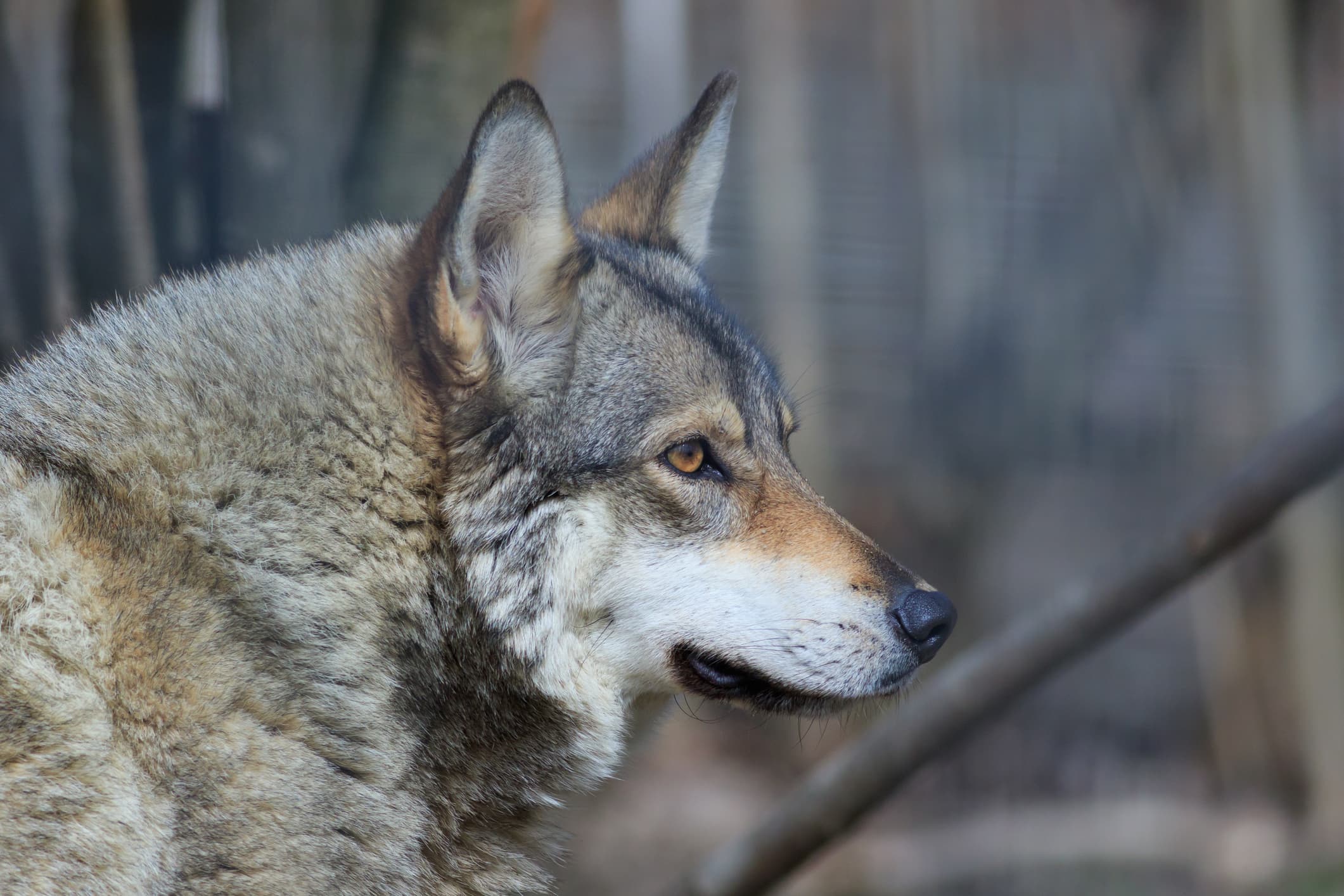
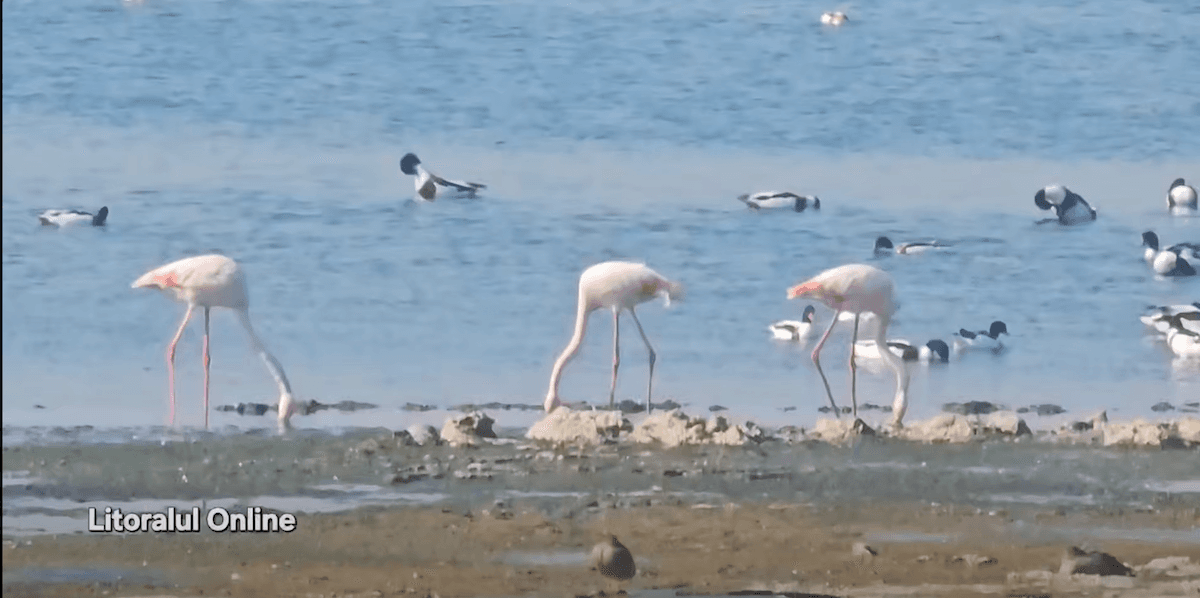
Four of the East African countries, Kenya, Tanzania, Uganda, and Ruanda, are visited annually by almost 4 million visitors, with the great majority going on expensive safaris to see the elephants, lions, rhinos, or buffaloes. For all of Africa, annual tourism revenues exceed US$ 30 billion. In Europe, hardly anybody goes to watch wildlife, although we also have fascinating wildlife such as wolves, bears or red deer. The vast forests of the Făgăraș Mountains in central Romania are one of the few places in Europe where the complete megafauna is still present, especially now with the planned re-introduction of bison. The region offers some of the most spectacular landscapes, a great variety of bird species and can be described as one of the wildest and most beautiful parts of the country. Consequently, it offers all the ingredients necessary to become a top European safari destination.
With no other place of comparable size left in Europe where you can experience such contact with stunning nature, the Făgăraș Mountains and their surroundings are an amazing playground for nature explorers and travellers seeking authentic experiences. All these assets turn the Făgăraș Mountains into the perfect travel destination for both local and international travellers, which raises the challenge of finding a way to unlock this immersive experience without disturbing the habitat.
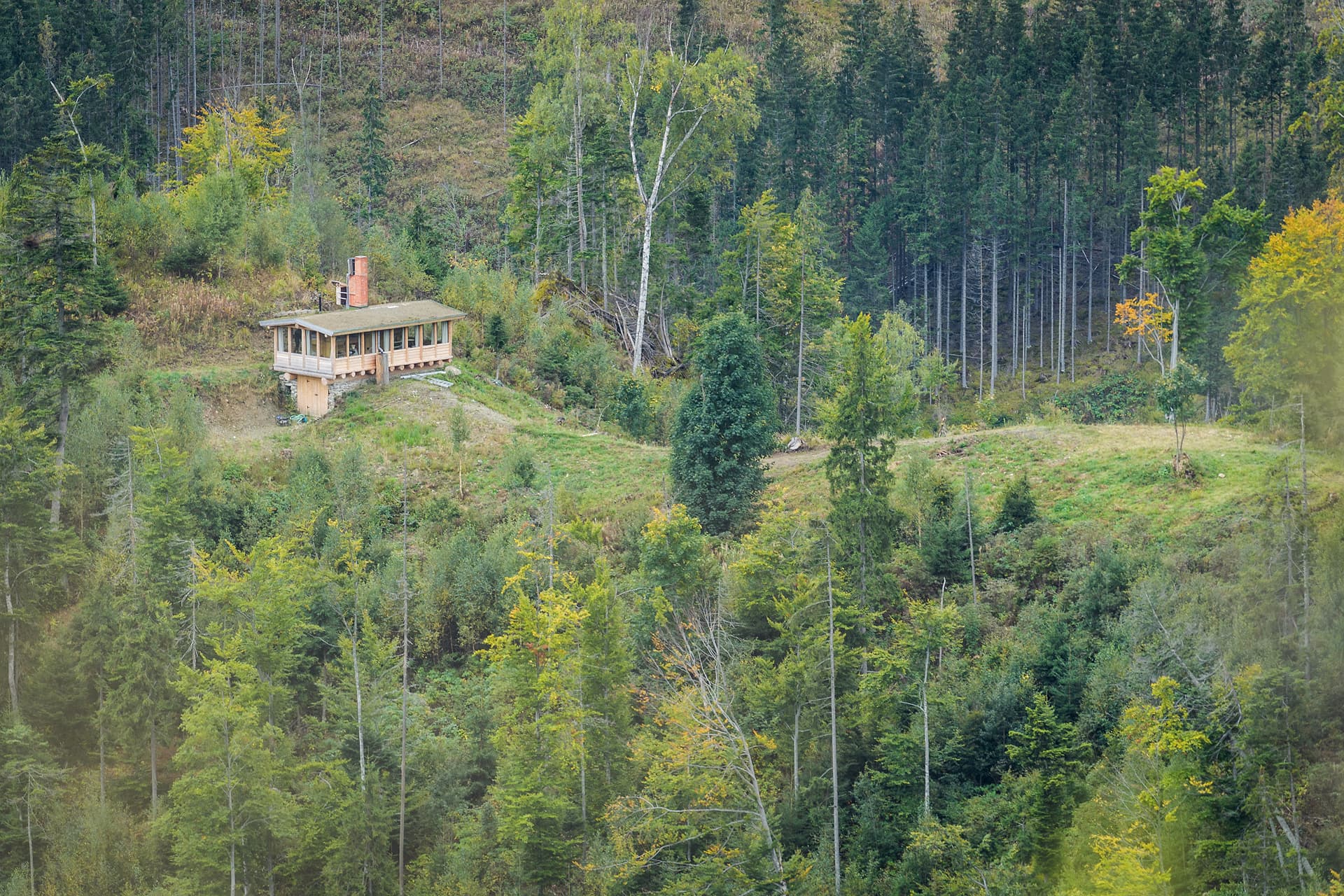
It is obvious that the approach to watch wildlife in the densely forested mountains of the Carpathians must be different from the open savannah plains of Africa. Instead of driving around in safari vehicles for hours, the focus in Europe is on wildlife hides in specific locations, where bears, boars, or bison come by regularly and a nature lover can watch them from the luxury and the safety of a hide. In Romania, wildlife watching can become a way of exploring the country’s nature, which is increasingly gaining interest, and special wildlife hides can attract the interest of photographers and nature lovers. In the Făgăraș area, Foundation Conservation Carpathia controls wildlife management and protection on over 60,000 ha and has already four wildlife hides in operation, from which visitors can watch the Carpathian megafauna in the morning or evening. This includes evening hides, where visitors can come for 2-3 hours and stay overnight in a local guesthouse, and also three hides which also offer accommodation for a cosy night out in the wilds of the Făgăraș Mountains.
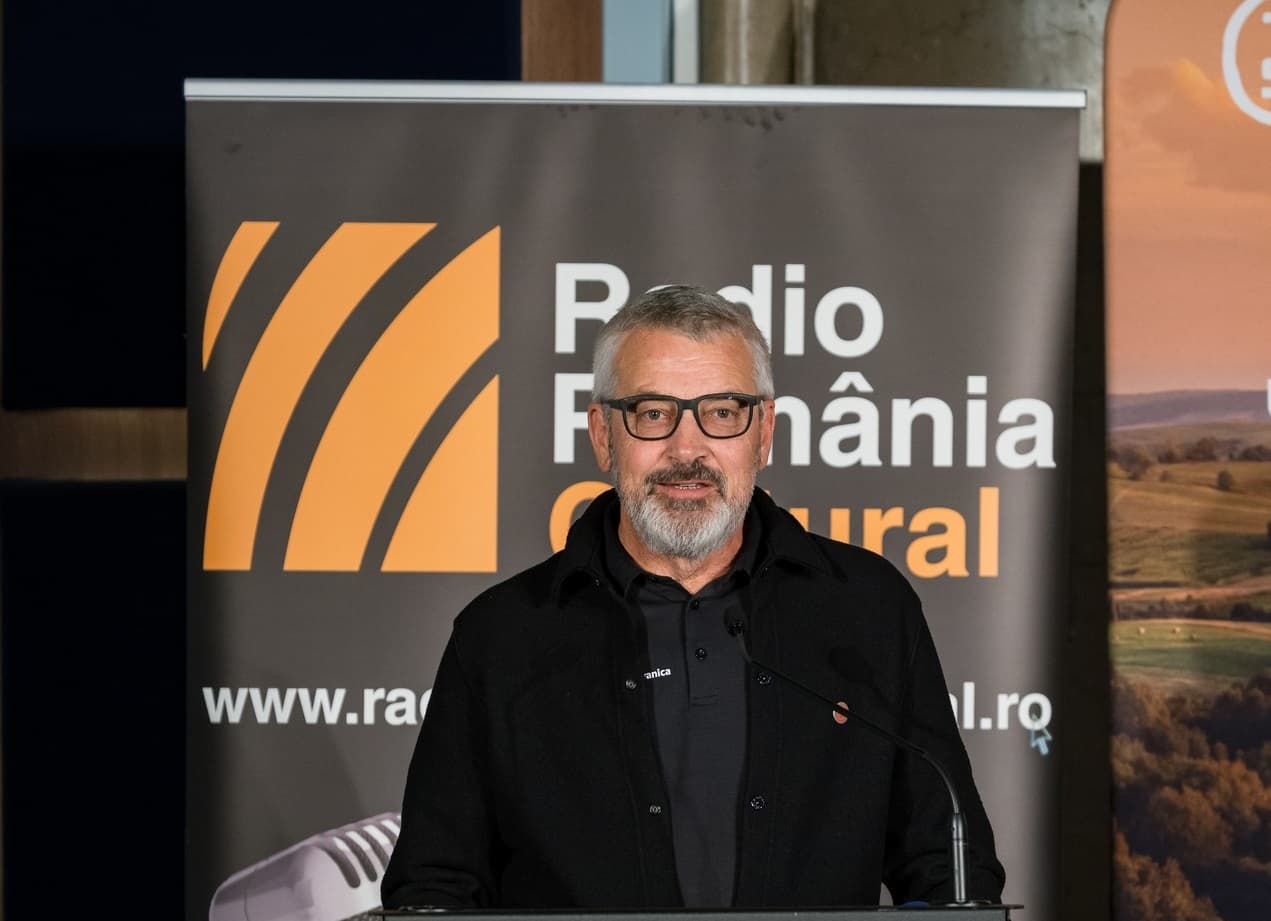
“In recent years we have seen an incredible rise in the interest in watching bears and other wildlife. What we want to do now is to develop a complex programme that isn’t limited to seeing a bear or a boar, but which creates the feeling of wilderness, a feeling of tenderness for being surrounded by pristine nature: you don’t just see a wild animal or just some birds, but you start to discover tracks of the animals even when you don’t see them, you learn something new, you learn to listen to the sounds of the forests, you recognise the calls of woodpeckers and you spend some time in a spectacular setup,” says Christoph Promberger, one of the Executive Directors of Foundation Conservation Carpathia.
Free newsletters
Romania, in your inbox before your first coffee.
Get the Daily — the morning briefing, free, in English, unsubscribe anytime. Want business, real estate or travel digests too? Pick your newsletters →