Nature in Făgăraș Mountains: The wild boar in Romania
Romania-Insider.com is publishing a series of articles about wildlife in Romania, zooming in on the wild animal and plant species in the Fagaras Mountains area. This editorial series is sponsored by the Foundation Conservation Carpathia.…
RI Newsroom · Journalist
· Updated · 5 min read
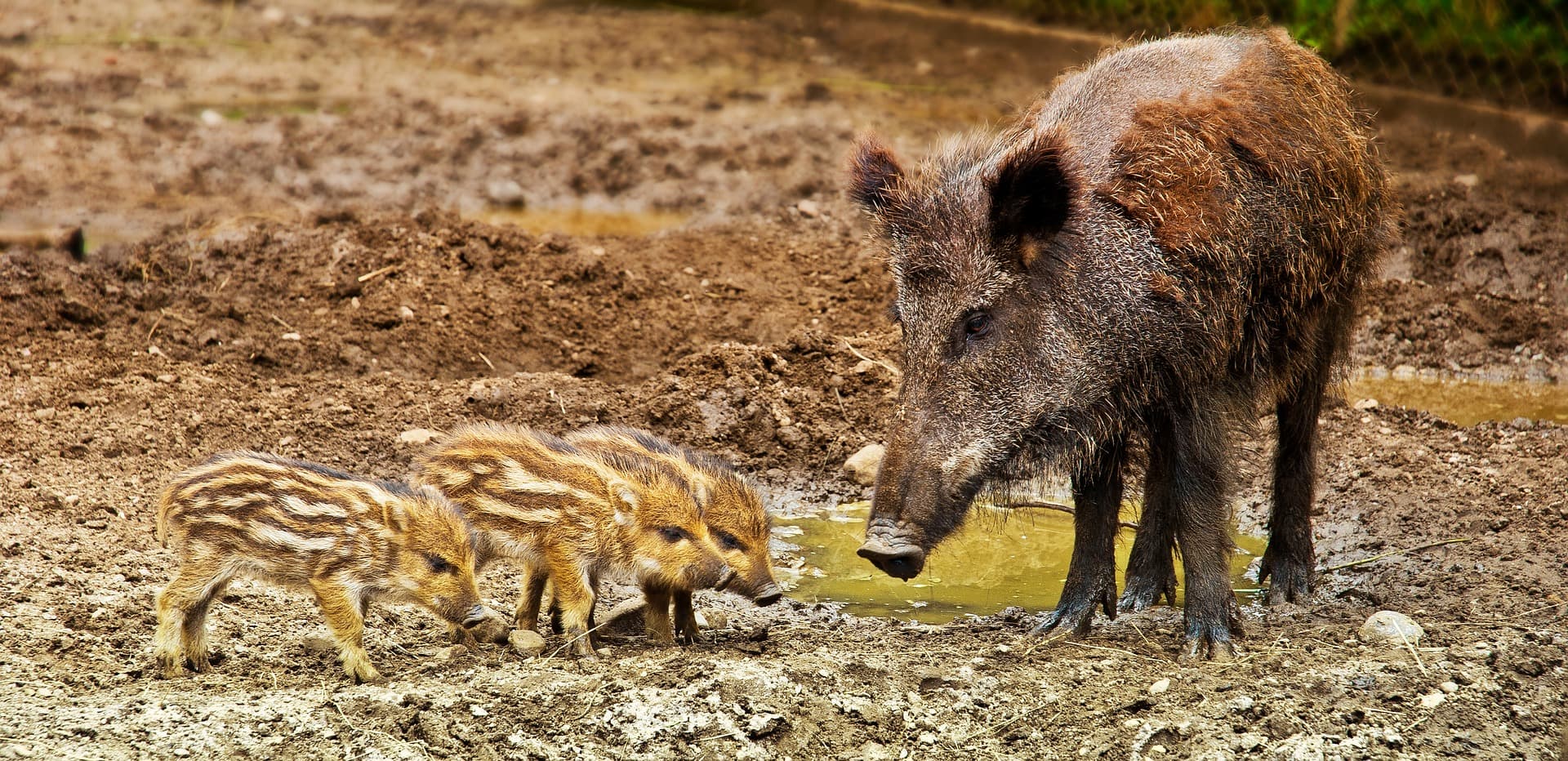
Romania-Insider.com is publishing a series of articles about wildlife in Romania, zooming in on the wild animal and plant species in the Fagaras Mountains area. This editorial series is sponsored by the Foundation Conservation Carpathia. An increasing number of wild boar has been reported in Europe since the 1980s, helped by milder winters and better food availability. With its wide range, tolerance to having its habitat disturbed and presence in many protected areas, it is listed as being of “least concern” on the IUCN Red List of Threatened species. In certain areas, other factors have helped its increase, such as the changes in agricultural practices or the lack of predators. The wild boar takes up a wide range of habitats, and feeds opportunistically on many plant and even animal species. Its diet includes rhizomes, roots, tubers and bulbs, nuts, berries, and seeds, leaves, bark, twigs, and shoots, but it can also feed on insectivores, bird eggs or garbage. When less food is available, like the beechnuts and acorns, the boar goes out of the forest and into the cultivated fields, thus causing more problems to crops. Variations exist depending on the region but the increase in wild boar population is attributed to climate change and the less harsh winters that allow for better survival conditions for the boar. Research from the Research Institute of Wildlife Ecology (FIWI) of the Vetmeduni Vienna showed that the number of wild boar grows particularly after mild winters. At the same time, there are more wild boars after years with high beechnut yield. Another explanation for the widespread presence of the wild boar is that it has a very high reproduction rate. With an average litter of four to six piglets, and a maximum that can reach 12, the wild boar can expand its population quite fast. With this combination of factors, the wild boar is considered resistant to the pressure of hunting, a practice which can be traced back to and is represented in the mythology of many cultures. In the Greek one, for instance, the fourth labor of divine hero Heracles is the capture the Erymanthian Boar, while the hunt of the Calydonian boar was often told in antiquity, including in Ovid's Metamorphoses. In Romania, the wild boar hunting is considered the most practiced form of hunting. Besides various accounts of the animal being spotted in public places, the wild boar has also made the news more recently in reports on the African swine fever. Only pigs and wild boar are susceptible to the disease. The virus is harmless to humans, who, research has shown, played an important role in the spread of the disease, especially in the case of large distances between two outbreaks. The virus can spread from animal to animal, but it can also spread from kitchen waste or slaughter waste from infected pigs or wild boar into the environment or open refuse bins. This July, Romania reported an outbreak of African swine fever at a pig farm in the southern county of Tulcea, and earlier, in June, the same disease among backyard pigs, also in Tulcea. For this reason, Bulgaria announced it was