Romgaz, Socar explore LNG route through the Black Sea
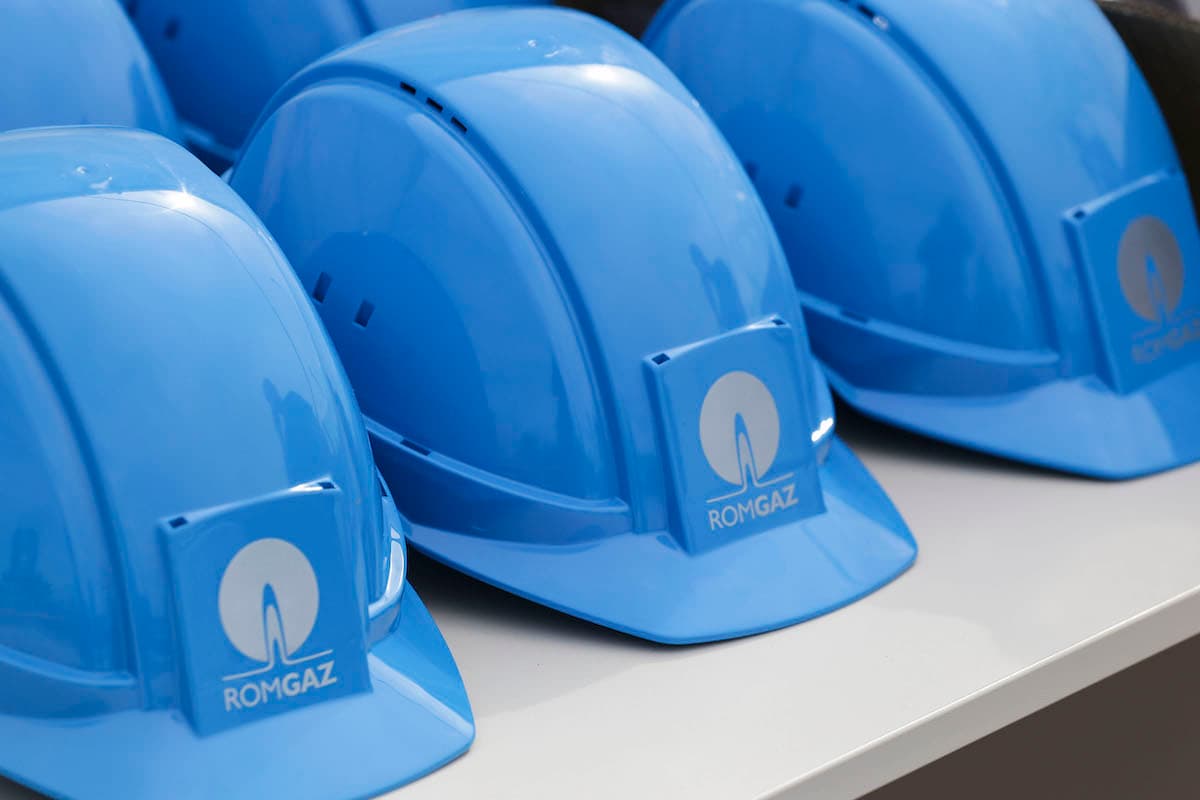
Romania's state-controlled gas company Romgaz announced on October 19 that it concluded in Bucharest a Memorandum of Understanding with its Azeri peer SOCAR "to set grounds of new cooperation between the two companies."
iulian ernst · Journalist
· Updated · 3 min read
Romania's state-controlled gas company Romgaz announced on October 19 that it concluded in Bucharest a Memorandum of Understanding with its Azeri peer SOCAR "to set grounds of new cooperation between the two companies."
The project is envisaged to consist of an LNG liquefaction plant, a regasification plant, as well as all other installations and facilities needed to transport natural gas from the Caspian region into Romania, the statement reads.
"It is a new project, both for us and for Azerbaijan," prime minister Nicolae Ciuca said after the signing ceremony, Ziarul Financiar reported.
The project is anything but new, though. Only the context is after Russia invaded Ukraine. What makes it different from the AGRI (Azerbaijan-Georgia-Romania Interconnector) sketched in 2010 by the three countries' governments (Georgia as a transit country) is the replacement of Hungary with Moldova as the primary beneficiary of re-exports from Romania. Hungary still holds a 25% stake in the AGRI project company.
"We are also looking for solutions to bring gas from the Caspian area through the trans-Anatolian pipeline (TAP) through Turkey-Bulgaria-Romania, and from Romania to the other beneficiary countries, one of them being the Republic of Moldova. It is a commitment of us and of Azerbaijan to be able to support the Republic of Moldova with the necessary amount of gas," said Ciucă on October 19.
On April 13 2010, the ministers of economy of Azerbaijan (Natig Aliyev), Romania (Adriean Videanu) and Georgia (Alexander Khetaguri) signed a Memorandum of Understanding on cooperation in the field of LNG and its transportation, which laid the framework for the implementation of the AGRI Project and establishment of a project company AGRI LNG headquartered in Bucharest. Hungary joined the AGRI Project in February 2011.
A pretty detailed summary of the AGRI project and its first stages, including the feasibility study commissioned to Penspen Ltd. of the UK under a contract endorsed by Romgaz shareholders on June 8, 2012, is available in the documents of a Romgaz shareholder meeting in December 2014 - when the shareholders were asked for more money to be invested in the project company. The project company, still active as we speak, spent EUR 1 mln mostly during 2013-2015 when the feasibility study was carried out. But it still had two employees as of 2021.
Penspen's results were presented in December 2014 and approved by the project company in January 2015. The project's cost is estimated at EUR 1.2-4.5 bln depending on the terminals' capacity, which can vary between 2 and 8 billion cubic meters of gas per year. The consultant also estimated that it would take nine years to complete the project.
Free newsletters
Romania, in your inbox before your first coffee.
Get the Daily — the morning briefing, free, in English, unsubscribe anytime. Want business, real estate or travel digests too? Pick your newsletters →