Press Release: Solving the Economic Crisis in Romania - A perspective from a Canadian isolated in Bucharest during Covid19
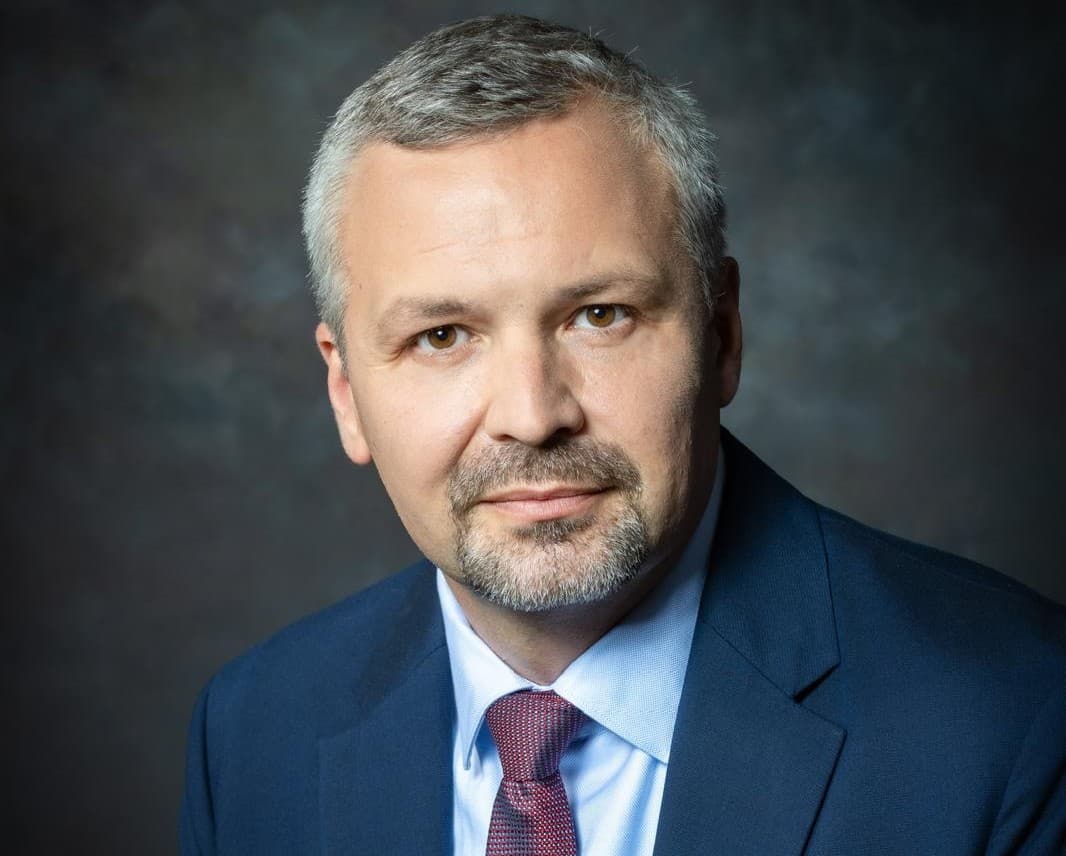
Yousuf Khatib is a serial entrepreneur and over the past six years has helped grow several technology start-ups, both in Romania and worldwide. He is the CEO of Global Skills Hub and currently, he is lending his support to Circle of…

Yousuf Khatib is a serial entrepreneur and over the past six years has helped grow several technology start-ups, both in Romania and worldwide. He is the CEO of Global Skills Hub and currently, he is lending his support to Circle of Reciprocity, a platform (started by a handful of Romanians) that aims to find solutions to the crisis generated by COVID-19 in Romania.
“A pessimist sees the difficulty in every opportunity; an optimist sees the opportunity in every difficulty.” Winston Churchill
On March 14th, I flew from Canada to Romania to be with my family during these unprecedented times. Ever since landing here, Churchill’s words have been at the forefront of my mind.
The exact day that I landed in Romania, my sister Aisha, called me asking if I could contribute to building a decentralized communications tool for fellow doctors like herself and healthcare providers to share information with one another about COVID-19.
On March 15th, I too launched a call for help across my network. Just 12 days later, Nth Opinion released the AskCo19 app. The application uses machine learning to collect information from frontline physicians from around the world and makes it easily accessible to doctors fighting the virus, particularly in areas with limited healthcare resources. It serves as a trusted source to the public, like having your doctor in your pocket all the time. The response was beyond expectations, with over 200 specialists joining the initiative and building the application.
Across the world, I could see a growing number of local initiatives. A platform that connects hospitals to entrepreneurs who can help with donations (Ajutor Spitale), the first 3D printed mechanical ventilator, and face shields for doctors (viziere.ro); all of which are wonderful initiatives that Romania needs right now. At present, at least 10 tech Romanian companies have announced their support to help fight the epidemic.
However, I’m wondering if these initiatives will be enough and if Romania has the means to overcome the economic crises that will follow.
Around 280,000 local companies are at high risk of insolvency and around 1 million Romanians risk losing their jobs. Romania has one of the fastest internet connections in the world, but strangely the lowest internet penetration in the entire European Union. While most go online to socialize, communicate or browse for information, very few do so to learn and acquire new skills.
So my question is: how will the 1 million Romanians adapt if they lose their jobs? How will you save these 280,000 businesses from going bankrupt? And how will the rest of local companies hire skilled employees to reach their potential?
Free newsletters
Romania, in your inbox before your first coffee.
Get the Daily — the morning briefing, free, in English, unsubscribe anytime. Want business, real estate or travel digests too? Pick your newsletters →