(P) Huawei partners Telekom for 5G boost in Germany
After powering the first 5G connection in Europe back in 2017, Huawei’s innovative technology has recently helped Deutsche Telekom expand its mobile 5G telecommunication network in Germany. The leading global provider of information and…

After powering the first 5G connection in Europe back in 2017, Huawei’s innovative technology has recently helped Deutsche Telekom expand its mobile 5G telecommunication network in Germany. The leading global provider of information and communications technology continues to support Telekom by upgrading its antennas from 4G to 5G across the country, at a speedy rate. Huawei has also signed a new contract with Telekom to fuel the further upgrade of the network, as one of the two sole suppliers for the expansion.
Telekom now has 12,000 antennas for 5 G in live operation in Germany – the largest 5G network in Germany. Half of the country’s population is expected to benefit from 5G services by mid-July. Thanks to technology and components from Huawei and Ericsson, Telekom Germany now supplies more than 1,000 towns and communities completely or partly with the new mobile communications standard. This covers 16 million German residents, and coverage should go up to 40 million people by mid-July.
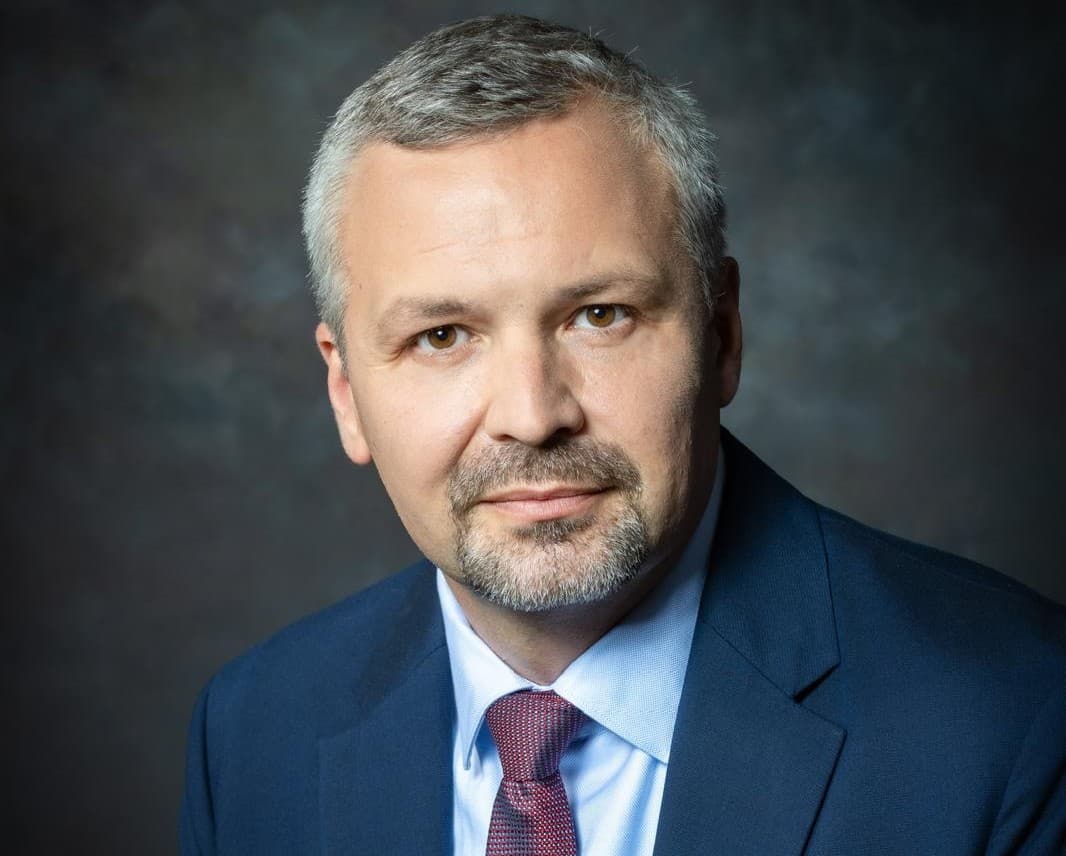
"This is the largest 5G initiative in Germany. We are bringing 5G to urban and rural areas for half of the German population. And we are now reaching this milestone earlier than planned," emphasizes Telekom Deutschland CEO Dirk Wössner. He added: “Despite the Corona crisis, we have expanded 5G without detours. Our networks have worked reliably. In addition to the current situation, our technicians have made over 12,000 antennas fit for 5G. By the end of the year, there will even be 40,000 antennas fit for 5G. That is a huge achievement. Deutsche Telekom will also have the best network for 5G. In a first step, around 16 million people in Germany will be able to use 5G from today. By mid-July, half the population of Germany will be able to use it." Customers will not only be offered the best network, but also the right tariffs and attractive smartphones, Wössner said. Among the smartphones on offer is also Huawei’s P40 Pro. for the new 2.1 GHz frequencies.
To support the recent speedy roll-out of the 5G in Germany, Deutsche Telekom made variable use of mobile phone frequencies and implemented new, innovative technologies. The company uses 15 megahertz (MHz) in the 2.1 gigahertz band for LTE and 5G. Of this, 5 MHz come from the previous 3G spectrum and will be rededicated. In addition, Deutsche Telekom acquired 10 MHz of the current 3G spectrum from another provider ahead of schedule.
With this combination of available frequencies, Deutsche Telekom is significantly accelerating the roll-out of 5G - especially in rural areas, as well as improving speeds for its LTE service.
Dynamic Spectrum Sharing (DSS) provides an additional spectrum for LTE customers and allows Deutsche Telekom to operate two mobile communications standards in parallel in one frequency band. The new technology distributes the spectrum between LTE and 5G users according to demand. This way, the network automatically adapts to the needs of the respective customers within milliseconds, hence an even better user experience.
Free newsletters
Romania, in your inbox before your first coffee.
Get the Daily — the morning briefing, free, in English, unsubscribe anytime. Want business, real estate or travel digests too? Pick your newsletters →