IMF cautions on need for further fiscal consolidation steps in Romania after end-2026
The main risk for Romania's macroeconomic balances rests in the budgetary area and are related to the commitment for full implementation of the first and second packages this year and in 2026 – but even under the best case scenario, the…
iulian ernst · Journalist
· Updated · 4 min read
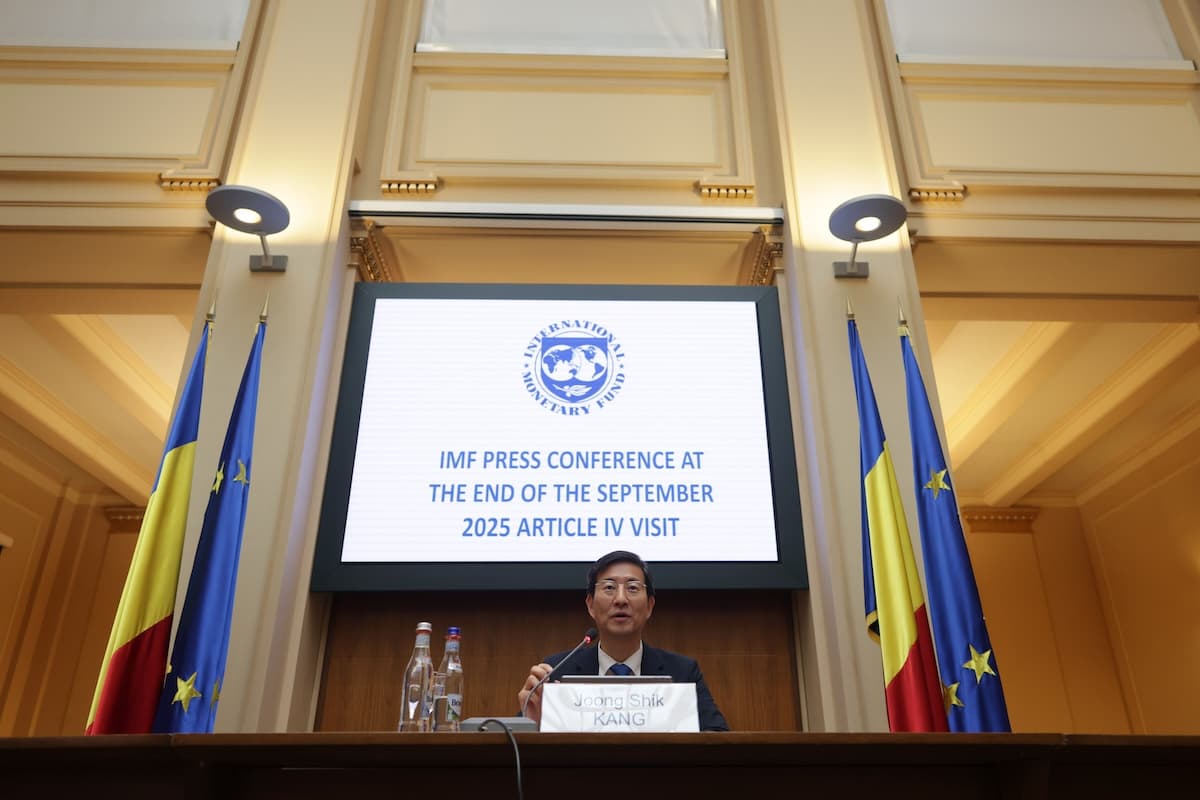
The main risk for Romania's macroeconomic balances rests in the budgetary area and are related to the commitment for full implementation of the first and second packages this year and in 2026 – but even under the best case scenario, the measures legislated so far would not bring the general government deficit lower than 6% of GDP at the end of 2026 and 5% of GDP in 2030, according to the conclusions of the IMF's Article IV Consultations with Romania. Active fiscal consolidation measures are thus mandatory on top of those already legislated or to be legislated this year.
The 6%-of-GDP projection for next year's public deficit is highly ambitious, as the trajectory under the 7-year consolidation plan envisages a 6.4%-of-GDP deficit. Romania currently estimates a deficit of above 8% of GDP this year.