Thierry Burger-Helmchen, Prof. of Management Science: Good management is a skill that can be developed
Thierry Burger-Helmchen, a professor in Management Science at the University of Strasbourg, shares his view how the science of management has evolved and what are the challenges that today’s managers must be prepared to handle.

Thierry Burger-Helmchen, a professor in Management Science at the University of Strasbourg, shares his view how the science of management has evolved and what are the challenges that today’s managers must be prepared to handle.
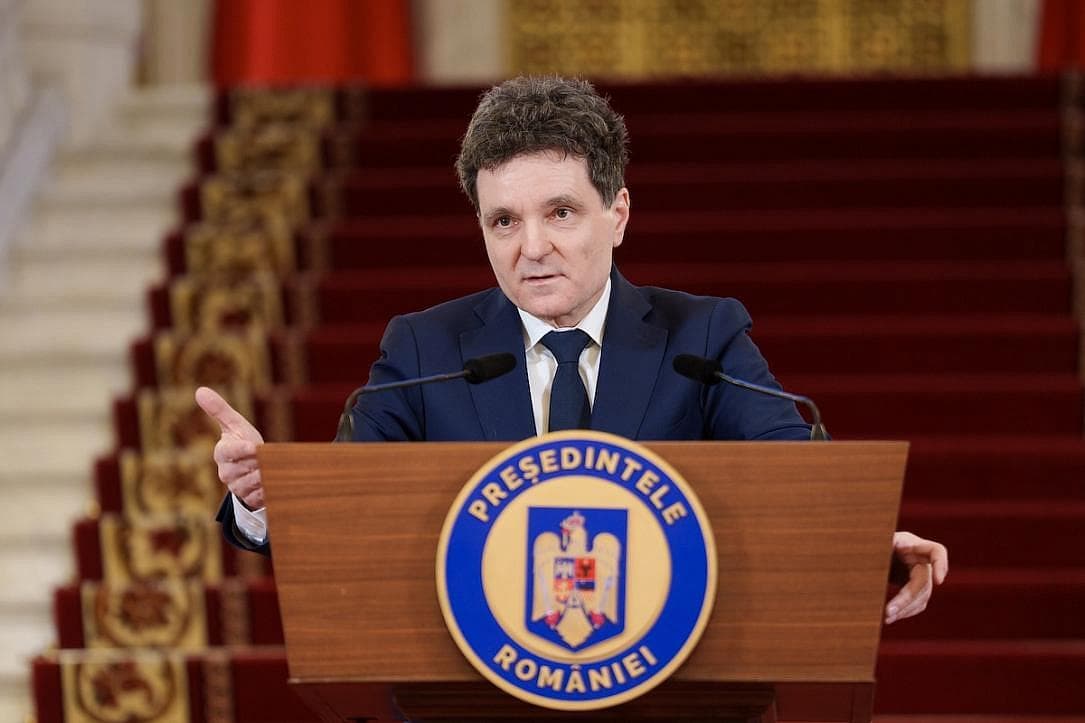
“I believe that good management is a skill that can be developed. It's a combination of continuous learning, experience, and adaptability to new situations,” says Professor Thierry Burger-Helmchen (in opening picture), who teaches Business Strategy at the Pan European Executive MBA in Bucharest.
He believes today's managers need to must handle technological disruptions, maintain a work-life balance for their teams, ensure sustainability, and navigate cultural and generational differences in the workplace.
“Looking ahead, challenges might include managing the implications of AI and automation, ensuring ethical use of data, and promoting mental well-being in increasingly digital workspaces,” he adds.
Read the full interview to learn more about:
- How management science has evolved
- The qualities that define a good manager
- What could trigger the next crisis that will challenge managers
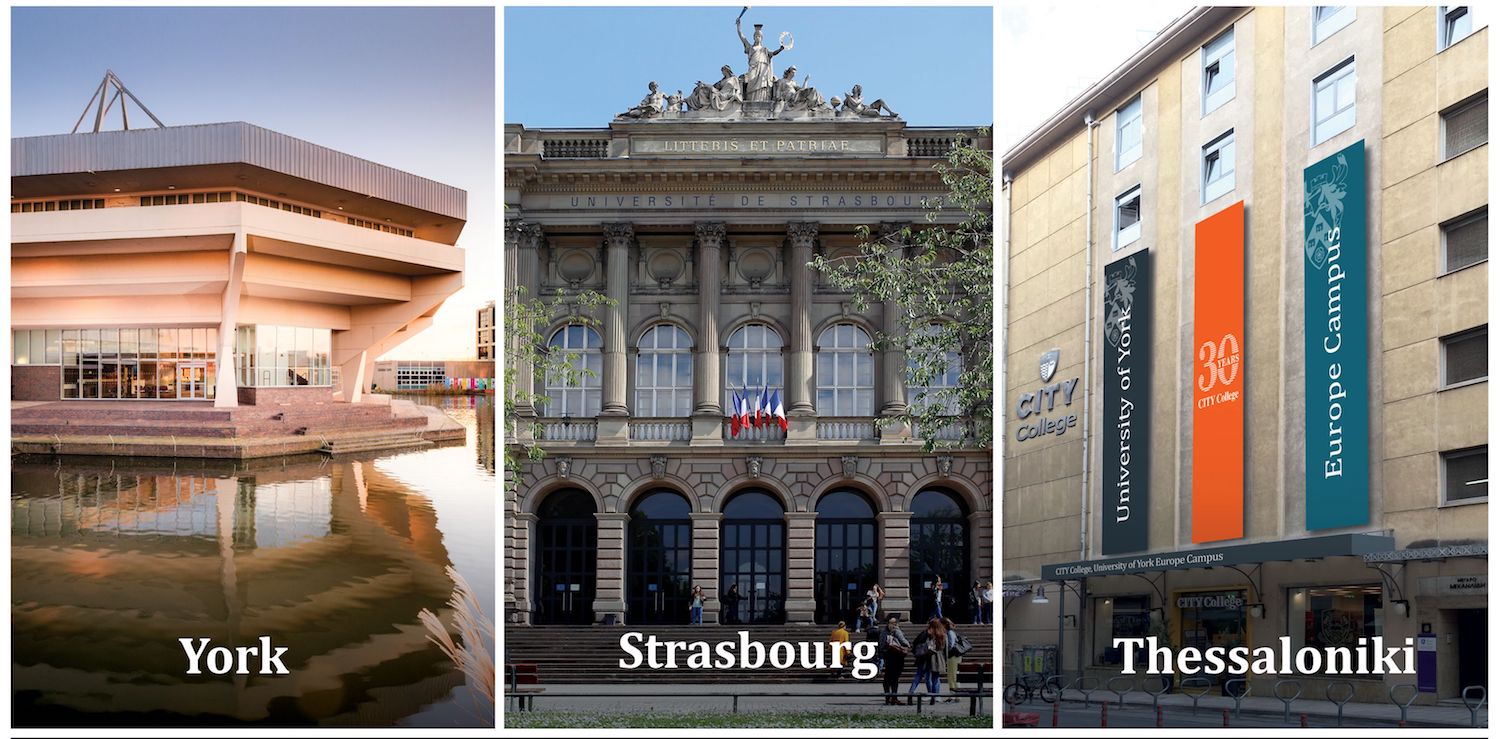
- The benefits of the MBA programme offered jointly by CITY College, University of York Europe Campus and the University of Strasbourg
You are a professor in Management Science. Please tell us a bit about how the science of management has changed during your professional career.
Thierry Burger-Helmchen: During my professional career, the science of management has evolved tremendously. The advent of digital transformation has shifted the focus from traditional management techniques to a more integrated, technology-driven approach. The emphasis has also shifted from hierarchical, top-down management to a more collaborative and inclusive model. Furthermore, sustainability, ethical considerations, and corporate social responsibility have become central themes in management studies.
What set of qualities defines a good manager now compared with 20 years ago or even 10 years ago?
Thierry Burger-Helmchen: A decade or two ago, a good manager was often defined by their authoritative presence, decision-making capabilities, and efficiency in processes. Today, while those qualities are still valued, emotional intelligence, adaptability, inclusiveness, and a deep understanding of technology and data analytics are equally important. However, I predict that there will be a comeback to these basic skills in the coming years.
Free newsletters
Romania, in your inbox before your first coffee.
Get the Daily — the morning briefing, free, in English, unsubscribe anytime. Want business, real estate or travel digests too? Pick your newsletters →