Covid-19: Vaccination caravan reaches rural areas in Romania
A vaccination caravan targeting rural areas was launched this past weekend, after the Emergency Situations Department (DSU) mobile training center was converted into a vaccination facility. It is one of the options the authorities outlined…
Simona Fodor · Journalist
· Updated · 3 min read
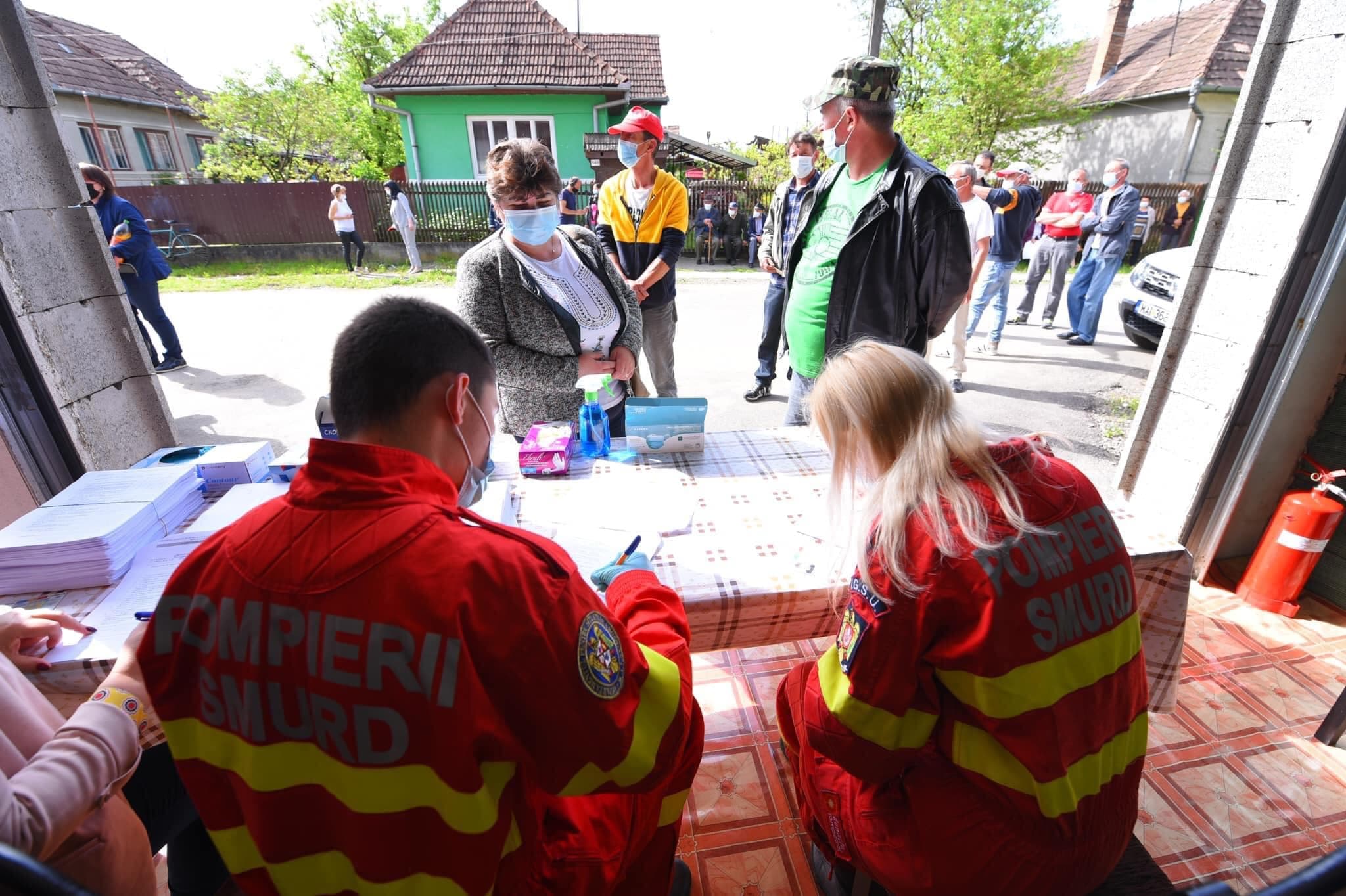
A vaccination caravan targeting rural areas was launched this past weekend, after the Emergency Situations Department (DSU) mobile training center was converted into a vaccination facility. It is one of the options the authorities outlined in a push to expand the vaccination reach in rural areas.
The caravan made its first stop in Bălăușeri commune, in Mureș county. The team of the caravan included doctors, nurses, volunteers of the Târgu Mures emergency rescue service SMURD, and volunteers of the Mureș Inspectorate for Emergency Situations (ISU). Raed Arafat, the head of DSU and a doctor by training, was also part of the medical staff of the caravan.
"There are very many elderly, vulnerable people, who find it hard to reach the vaccination centers set up far away, as is the case of the vaccination marathon held now in Sighişoara," Arafat said, quoted by Agerpres. The DSU head also explained that ISU minibuses bring people who decided to get vaccinated to the vaccination point and then back home.
The authorities are pondering sending staff from urban vaccination centers to rural areas a few times a week, doctor Valeriu Gheorghiță, the coordinator of the national vaccination campaign, told television station Digi24. This past weekend, Gheorghiță worked at the vaccination center in Izvorul commune, in Argeș county, the place where he grew up.
"We have another concept we are considering and are trying to implement – the concept 'the city vaccinates the village', meaning that staff of the urban vaccination centers, especially those not running at full capacity, would go at least once or twice a week to rural areas in the respective county to vaccinate people there," Gheorghiţă said.
After covering the segment of those determined to get vaccinated, the vaccination campaign currently reached those who are still hesitant, he said, pointing to the need to make the vaccine readily available.
"As was estimated in the beginning, around a third of the public were determined to get the vaccine, a third are hesitant, and a third do not want it; I think we are now reaching the segment of the hesitant population," Gheorghiţă explained.
"The recent experience of the mobile vaccination centers shows us that many people want to get vaccinated; for some, the vaccine is far away, it hasn't reached their alley. This is why we need to diversify the activity, especially in rural areas, namely either send mobile teams or hold [vaccination] marathon events, and involve family medicine doctors. There are at least three means," he said.
Free newsletters
Romania, in your inbox before your first coffee.
Get the Daily — the morning briefing, free, in English, unsubscribe anytime. Want business, real estate or travel digests too? Pick your newsletters →