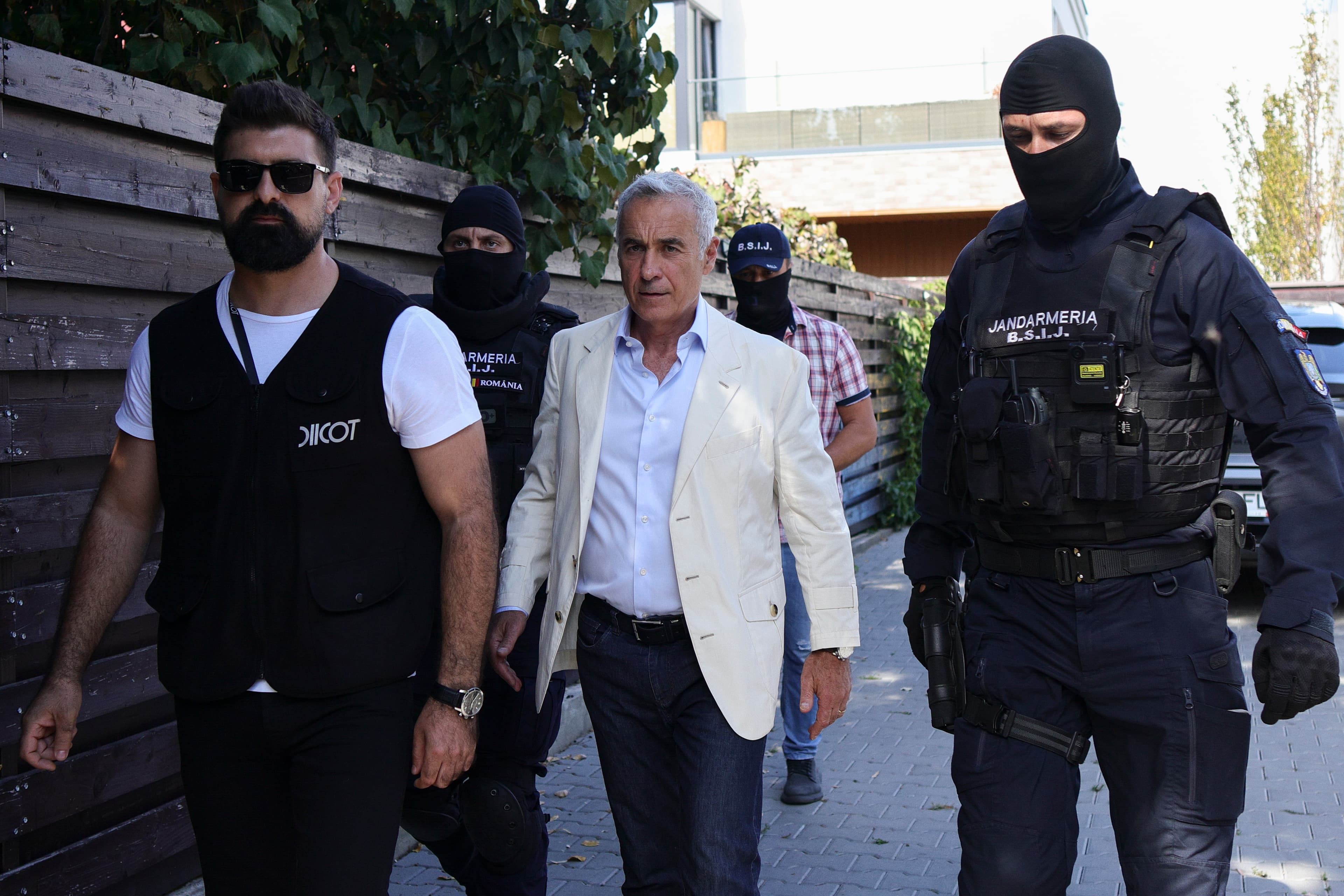
Romanians plead guilty for running cyber fraud scheme in the U.S.
Fifteen defendants, most of them Romanians, have pleaded guilty to-date for their roles in a transnational and multi-million-dollar scheme to defraud American victims through online auction fraud. Among them is V.N., the founder of a…
Romania Insider · Journalist
· Updated · 4 min read

Fifteen defendants, most of them Romanians, have pleaded guilty to-date for their roles in a transnational and multi-million-dollar scheme to defraud American victims through online auction fraud. Among them is V.N., the founder of a Bitcoin exchange based in Romania – Coinflux, which has been shut down.
According to court documents, the defendants participated in a criminal conspiracy that engaged in a large-scale scheme of online auction fraud. Romania-based members of the network posted false advertisements to popular online auction and sales websites (Craigslist and eBay) for high-cost goods (typically vehicles) that did not exist. Members of the conspiracy would convince American victims to send money for the advertised goods by crafting persuasive narratives, such as by impersonating a military member who needed to sell the advertised item before deployment.
According to court documents, members of the conspiracy created fictitious online accounts to post these advertisements and communicate with victims, often using the stolen identities of Americans. They also delivered invoices to the victims bearing trademarks of reputable companies to make the transaction appear legitimate. Members of the conspiracy also set up call centers, impersonating customer support, answering questions, and alleviating concerns over the advertisements.
Once victims were convinced to send payment, the conspiracy participants engaged in a complicated money laundering scheme, which included converting these funds to cryptocurrency, and transferring them to foreign-based money launderers.
“Today’s modern cybercriminals rely on increasingly sophisticated techniques to defraud victims, often masquerading as legitimate businesses,” said Assistant Attorney General Brian A. Benczkowski of the Justice Department’s Criminal Division. “These guilty pleas demonstrate that the United States will hold accountable foreign and domestic criminal enterprises and their enablers, including crooked bitcoin exchanges that swindle the American public.”
“Through the use of digital currencies and trans-border organizational strategies, this criminal syndicate believed they were beyond the reach of law enforcement,” added Assistant Director Michael D’Ambrosio, U.S. Secret Service, Office of Investigations. “However, as this successful investigation clearly illustrates, with sustained international cooperation, we can effectively hold cybercriminals accountable for their actions, no matter where they reside.”
Four of the defendants who pleaded guilty for their involvement in this cybercrime scheme are Romanians in their early 30s.
B.P., 30, operated a car wash in Bucharest, Romania, where he managed coconspirators in the RICO enterprise. “From at least December of 2013, B.P. oversaw an operation whereby he knowingly negotiated fraudulently obtained Bitcoin. He did so in many ways. For example, he would sometimes receive cryptocurrency from coconspirators who obtained the funds through online fraud scams, transfer the cryptocurrency to other conspirators such as codefendant V.N.. He would then direct that V.N. exchange the cryptocurrency for fiat currency and deposit the fiat currency into bank accounts held in the names of various employees and family members,” reads a press release of the U.S. Department of Justice.
Free newsletters
Romania, in your inbox before your first coffee.
Get the Daily — the morning briefing, free, in English, unsubscribe anytime. Want business, real estate or travel digests too? Pick your newsletters →