(P) Preparing your children for the future
Whether you were building a pyramid 2000 years ago, or The Kingdom Tower in Jeddah, soon to be the highest building in the world, at a height of 1000m, the philosophy is the same: it is essential to have a firm base and the right building…
Whether you were building a pyramid 2000 years ago, or The Kingdom Tower in Jeddah, soon to be the highest building in the world, at a height of 1000m, the philosophy is the same: it is essential to have a firm base and the right building blocks as you progress. Education is very much the same.
The importance of starting well
When planning your children’s education to best prepare them for success later in life, it is the early years that are by far the most important years, because it is during this stage of childhood development that you build capacity for the future.
Developing capacity early
The brain goes through an incredible process of growth in the early years of childhood development. What we know from scientific research is that although the building blocks are essentially the same for each child, the rate of progress varies greatly. It is important therefore that schools have the capacity to support students on their ‘individual’ learning journey because one size most certainly does not fit all in modern-day education.
Science also tells us that learning multiple languages is absolutely essential to building capacity, and the younger the better. At a young age, languages a learnt quickly and easily, with conversational comprehension acquired within a matter of a few months in a full emersion environment. It makes sense, therefore, to enrol our children into a bilingual school, or schools offering children the chance to learn additional languages at an early age.
One example of building capacity can be found in examining the reading speed adults, which averages between 300-400 words a minute. There are however children with a reading speed exceeding 1000 words a minute by the time they reach high school, who have a higher level of comprehension than readers with slower reading speed. When interviewed, these children all had one thing in common - they were encouraged to read extensively when still in primary school, developed a love of reading early in life, and continued to read for pleasure, and in volume, when at high school.
The bottom line is that children well-supported and provided the right level of challenge at each stage of their development, develop more capacity, which will benefit them in high school, at university, and later on in life.
A world-class school doing all the right things
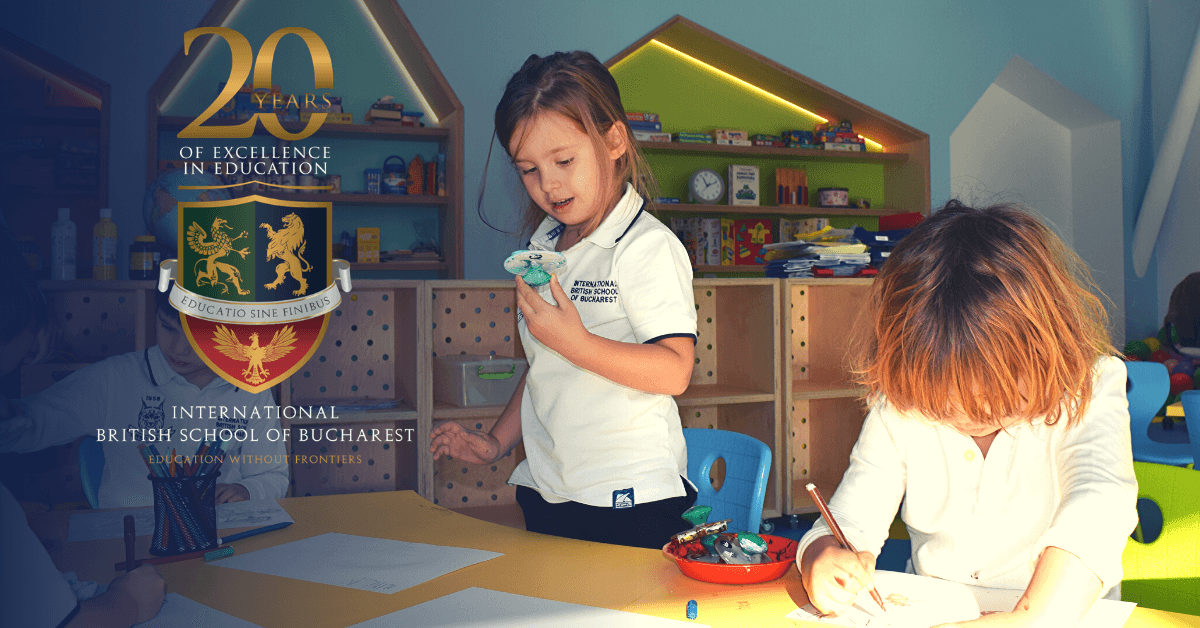
A school that is quietly going about the business of achieving outstanding results with their students is the International British School of Bucharest (IBSB), located on Strada Agricultori in Sector 2.
Free newsletters
Romania, in your inbox before your first coffee.
Get the Daily — the morning briefing, free, in English, unsubscribe anytime. Want business, real estate or travel digests too? Pick your newsletters →