“If I only knew then what I know now”
This article emphasizes the importance of continuous education in response to the changing dynamics of the workforce, particularly accelerated by the pandemic, with insights from Professor Leslie Szamosi (in opening picture), Director of…
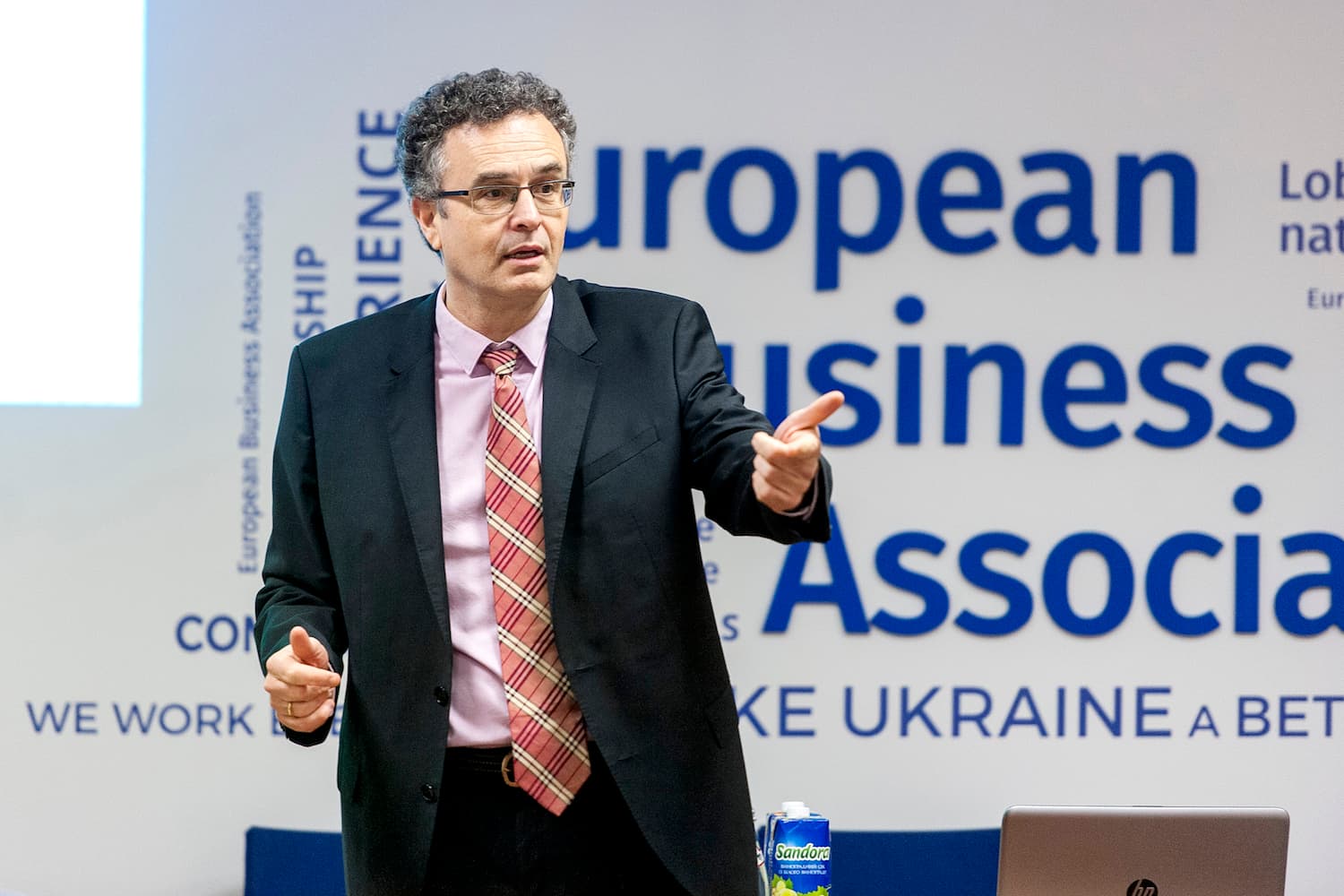
This article emphasizes the importance of continuous education in response to the changing dynamics of the workforce, particularly accelerated by the pandemic, with insights from Professor Leslie Szamosi (in opening picture), Director of the Pan-European Executive MBA program at CITY College, University of York Europe Campus.
It highlights the shift in employee learning preferences, the surge in personal education during the pandemic, and the necessity for businesses and educational institutions to adapt, ultimately ushering in a new era of continuous learning and development. Read it below:
As we grow older and transition from student life into our chosen career, it is not uncommon to hear people say “if I only knew then what I know now”! As humans, we are born with an innate need to learn, to understand, to evolve and this process happens ”naturally” as we move from childhood into adolescence. In many ways, this is the essence of life. Either we learn by doing, which has inherent risks and generally does not push our knowledge limits, or we undertake some form of formal education and training. We know from the newer generations inside our organizations that when employees feel they are no longer learning in their workplace they are much more likely to begin searching for such opportunities outside of their current employer.
During the pandemic workplace turnover dropped significantly as employees were worried about leaving the safety of the job they had and the fact that transitioning to another company could be inherently risky given we could not be physically present. So how did people find ways to learn and develop during this time? What we saw was a huge interest in personal education and development. There was a ten-fold increase, for example, in people learning new cooking skills, how to garden, and generally developing themselves when such opportunities were less available to them in their workplace.
In business, we have always used tools related to “training and development” as a means to re-engage employees, to enhance current skills, and build new ones. Following the pandemic, and the drive towards “everything AI” (artificial intelligence) and digital, the need to learn and keep up to date with changes and information flow has never been more critical. These seismic shifts in the way the world works have significantly impacted the way we manage people in our organizations requiring the need to retool and rethink not only our digital acumen but our managerial prowess.
Inside our companies, the need to build both the hard and soft skills of our most important resource, people, has taken on increased importance. The ability to do this in both face-to-face and online environments has given organizations, and employees, much more flexibility in determining the best ways to learn. If there is a positive that has come out from the pandemic it is that we have honed new ways of teaching that have become ubiquitous and ”standardised”, allowing for something approaching “just in time” learning.
Free newsletters
Romania, in your inbox before your first coffee.
Get the Daily — the morning briefing, free, in English, unsubscribe anytime. Want business, real estate or travel digests too? Pick your newsletters →