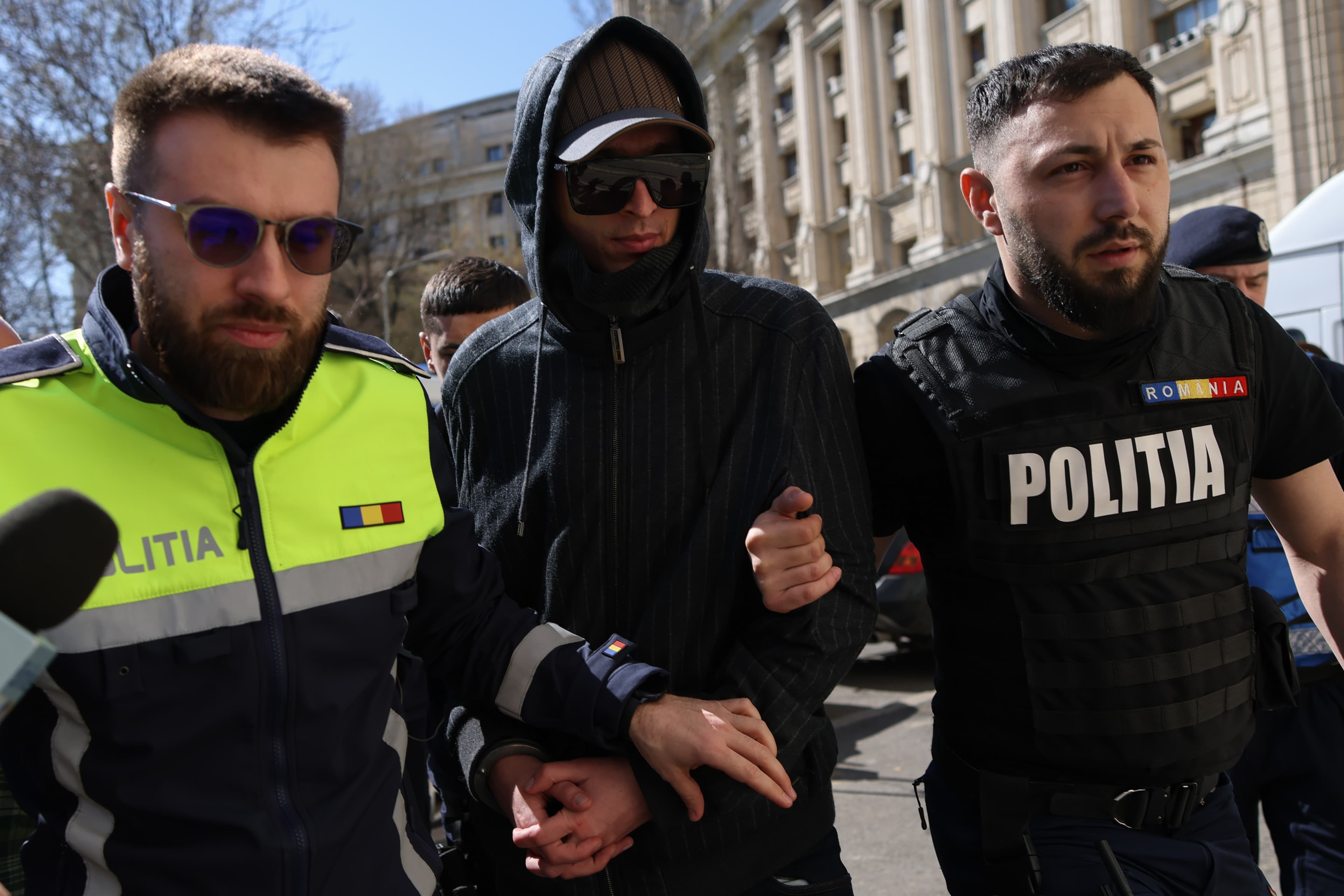
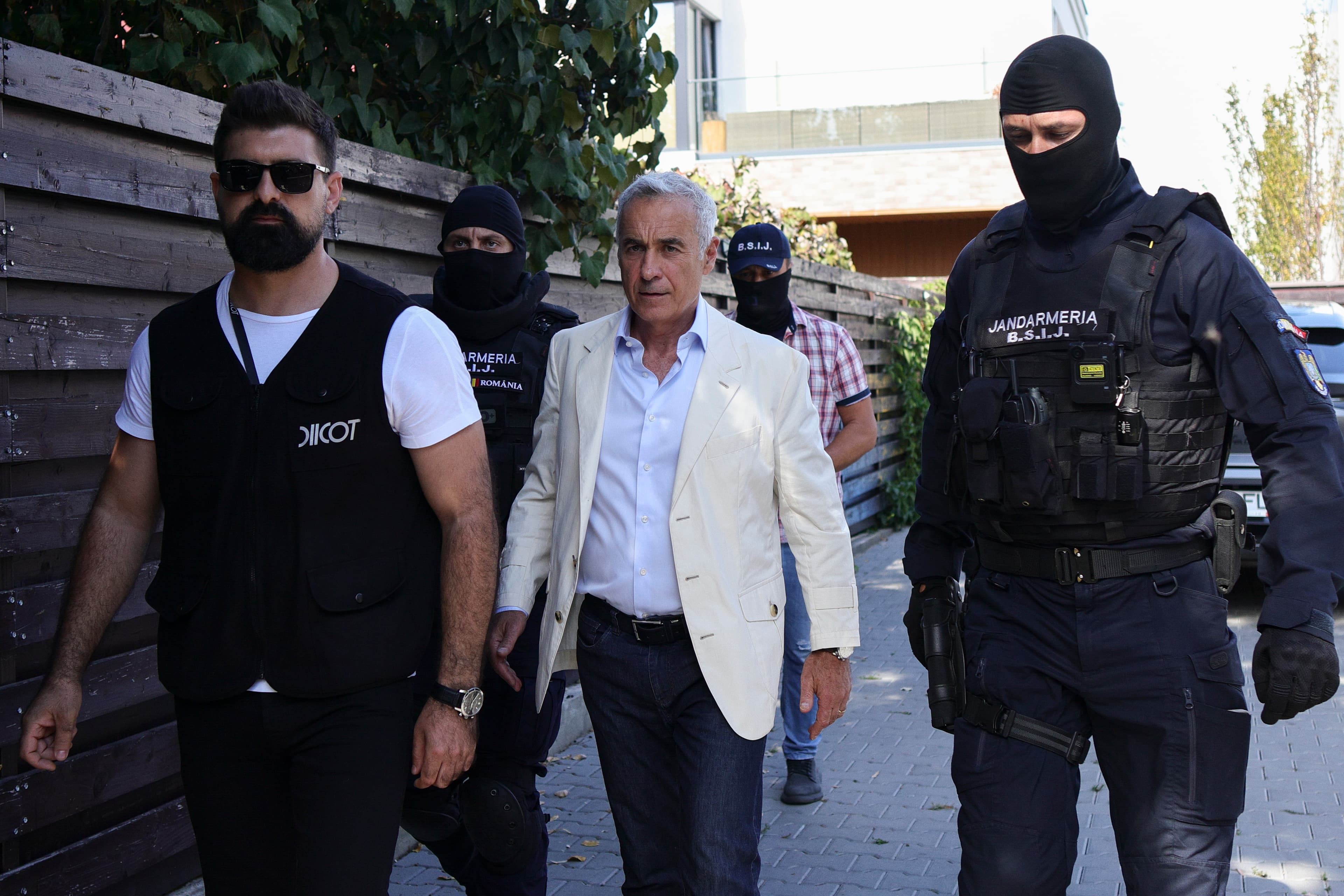
Trial of former presidential candidate Călin Georgescu, mercenary leader Horațiu Potra postponed at first hearing
Prosecutors accuse the former presidential candidate of helping devise a plan to turn protests in Bucharest into violent unrest after Romania’s 2024 presidential election was annulled.
Irina Marica · Journalist
· 2 min read

The trial of former presidential candidate Călin Georgescu, former mercenary leader Horațiu Potra, and 20 other defendants began with a postponement at the Bucharest Court of Appeal, Hotnews.ro reported. Georgescu did not attend the first hearing and requested a delay through his lawyers, which the court granted, setting the next hearing for September 28.
Potra and several other defendants appeared before the court for the opening hearing.
Cǎlin Georgescu was indicted on charges of complicity in an attempted action against the constitutional order and repeatedly communicating false information. Horațiu Potra, in turn, faces charges of attempting actions against the constitutional order and violating legislation governing weapons, ammunition, and explosive materials.
Potra’s son and nephew were also indicted for allegedly attempting actions against the constitutional order.
The Bucharest Court of Appeal ruled on April 2 that the trial could begin. Both the defendants and the Public Prosecutor’s Office challenged the decision, but the High Court of Cassation and Justice definitively rejected their preliminary chamber appeals on August 6.
According to prosecutors, Cǎlin Georgescu and Horațiu Potra met in Ciolpani, Ilfov county, on December 7, 2024, one day after the Constitutional Court annulled the presidential election. Investigators alleged that they discussed a plan under which Potra and associates with military training would create chaos in Bucharest.
The prosecutors reportedly identified Georgescu as the alleged “intellectual author” of the plan.
The strategy allegedly involved “violent actions of a subversive nature” during protests planned for December 8, with the aim of transforming peaceful demonstrations into violent unrest and changing the constitutional order or obstructing the exercise of state power, investigators said.
Potra subsequently allegedly organized a paramilitary group that headed toward Bucharest in seven vehicles. Its members