Romania above EU average with 70% of electricity produced by renewables in Q2
In the second quarter of 2026, nearly 70% of electricity generated in Romania came from renewable energy sources, according to Eurostat data.
Radu Dumitrescu · Journalist
· 1 min read

During the same period, 54.1% of the electricity generated in the EU came from renewables, representing a slight decrease from 54.3% in the same period of 2025.
Solar energy was the main source of renewable electricity in the EU (41.6% of total renewable electricity), with its share increasing from 37% in the second quarter of 2025.
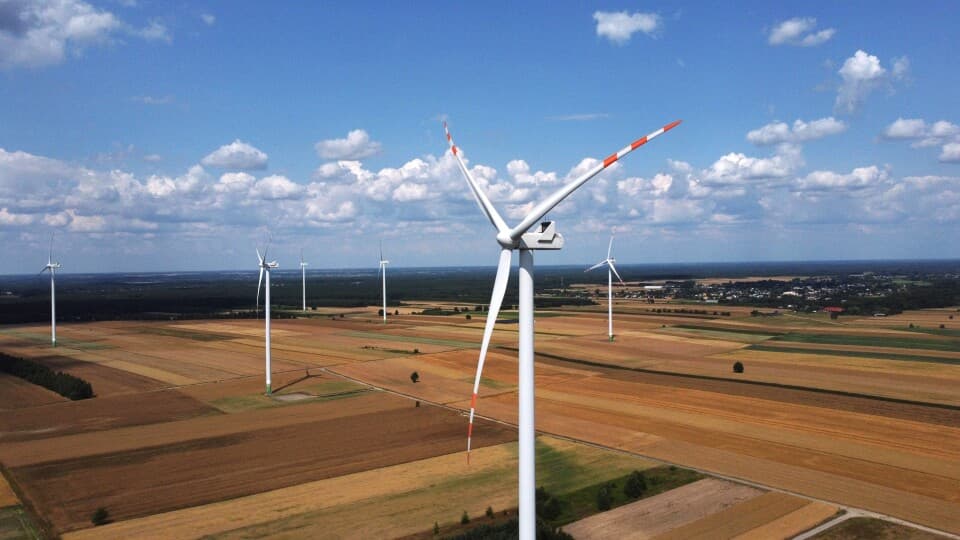
Wind energy was the second most important source, at 27.7%, followed by hydropower, at 22.6%.
The rest of the electricity from renewable sources came from renewable fuels (7.7%) and geothermal and other energy sources (0.4%).
The EU countries with the highest shares of electricity produced from renewable sources in the second quarter of 2026 were Latvia (97.7%, mainly hydropower and solar energy), Denmark (94.3%, mainly wind energy) and Croatia (92.2%, mainly hydropower).
By contrast, the lowest shares were recorded in Slovakia (19.8%), Czechia (20.9%) and Malta (24.5%).
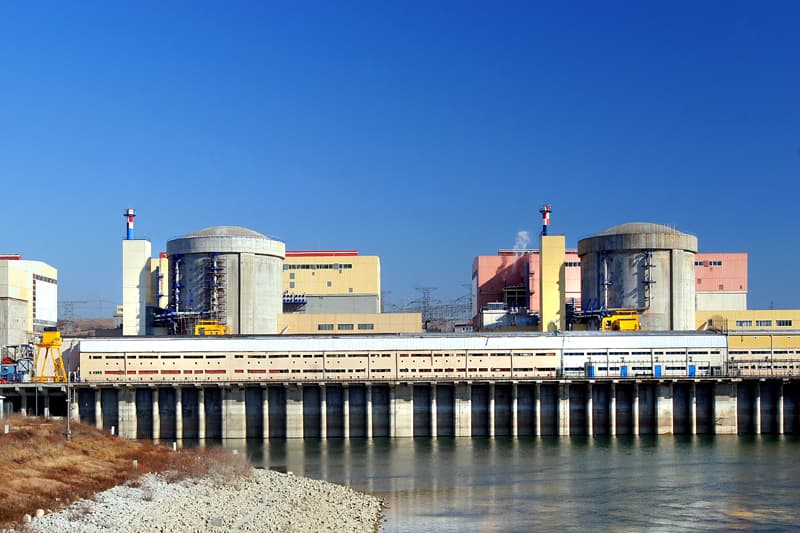
Romania is currently experiencing an energy crisis caused by the low levels of the Danube River, which led to the shutdown of the country’s sole nuclear energy plant.