Romanian minister says there’s still hope for new Wage Law

25 August 2026

President Nicusor Dan will resume efforts to unblock the talks among centrist parties for the wage Law on August 25, according to sources consulted by Economedia.ro, while G4media.ro cited minister of investments and European projects (MIPE) Dragos Pislaru expressing hopes for a last-minute agreement on the law that needs to be legislated by the end of the month for bringing EUR 770 million under the Recovery and Resilience Facility (RRF). Besides the new Law on Integrity Agency (ANI), the Wage Law is one of the two milestones under RRF with the weakest political support. 

Sorin Grindeanu, the leader of the Social Democratic Party (PSD), said that it is nearly impossible to have the Wage Law legislated by the end-of-the-month deadline, according to Spotmedia.ro.

Grindeanu said that Romania needs a wage law, but this law must be fair and discussed with all social partners. The initial deadline for the Wage Law as a milestone under the RRF/PNRR was June 30, 2023. The deadline was deferred to December 31, 20024 and later to August 31, 2026. During the entire period of time until May 5, when PSD left the ruling coalition, the Labour Ministry has been supervised by the Social Democrats.

Despite the prolonged period of time dedicated to the drafting of the Wage Law, former PSD minister Florin Manole apparently left no draft when leaving the office at the end of April. Even now, there is very little debate on the structure of relative wages set for individual positions in the budgetary sector  – and more for the overall payroll envelope. 

Minister Pîslaru said that, following the discussions, two areas were identified where there are problems regarding the social acceptability of the project: Health and Education.

In the case of Health, the minister invoked the results of a salary simulator carried out by the Health Solidarity Federation.

"78% of those who responded (…) have increases," said Pîslaru, adding that 58% of respondents believe the law should pass, while approximately 20% believe it should not be adopted.

iulian@romania-insider.com

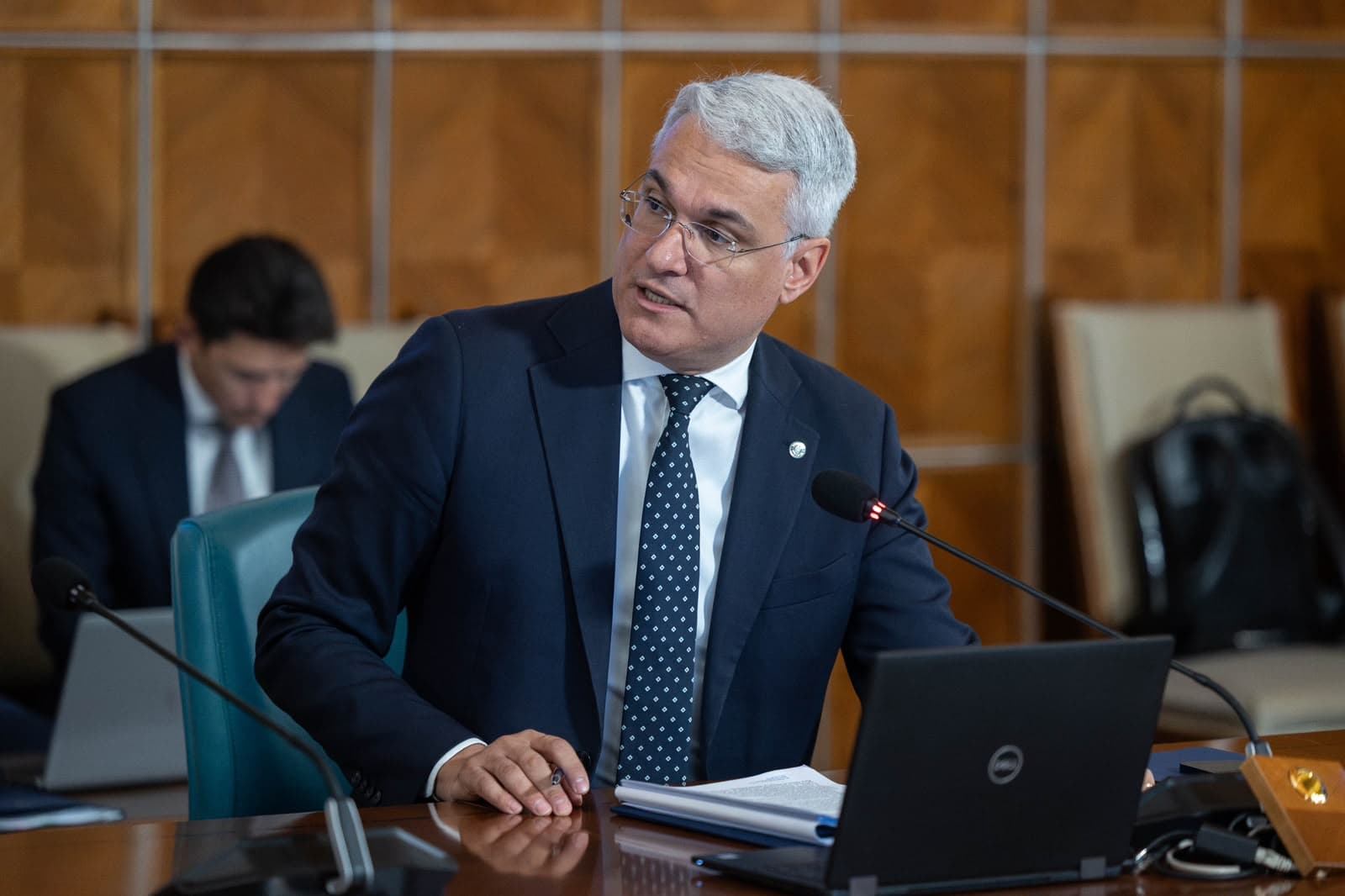
(Photo source: Gov.ro)

Normal

Romanian minister says there’s still hope for new Wage Law

25 August 2026

President Nicusor Dan will resume efforts to unblock the talks among centrist parties for the wage Law on August 25, according to sources consulted by Economedia.ro, while G4media.ro cited minister of investments and European projects (MIPE) Dragos Pislaru expressing hopes for a last-minute agreement on the law that needs to be legislated by the end of the month for bringing EUR 770 million under the Recovery and Resilience Facility (RRF). Besides the new Law on Integrity Agency (ANI), the Wage Law is one of the two milestones under RRF with the weakest political support. 

Sorin Grindeanu, the leader of the Social Democratic Party (PSD), said that it is nearly impossible to have the Wage Law legislated by the end-of-the-month deadline, according to Spotmedia.ro.

Grindeanu said that Romania needs a wage law, but this law must be fair and discussed with all social partners. The initial deadline for the Wage Law as a milestone under the RRF/PNRR was June 30, 2023. The deadline was deferred to December 31, 20024 and later to August 31, 2026. During the entire period of time until May 5, when PSD left the ruling coalition, the Labour Ministry has been supervised by the Social Democrats.

Despite the prolonged period of time dedicated to the drafting of the Wage Law, former PSD minister Florin Manole apparently left no draft when leaving the office at the end of April. Even now, there is very little debate on the structure of relative wages set for individual positions in the budgetary sector  – and more for the overall payroll envelope. 

Minister Pîslaru said that, following the discussions, two areas were identified where there are problems regarding the social acceptability of the project: Health and Education.

In the case of Health, the minister invoked the results of a salary simulator carried out by the Health Solidarity Federation.

"78% of those who responded (…) have increases," said Pîslaru, adding that 58% of respondents believe the law should pass, while approximately 20% believe it should not be adopted.

iulian@romania-insider.com

(Photo source: Gov.ro)

Normal

Romania Insider Free Newsletters