Nature in Făgăraș Mountains: The beech forests in Romania
Romania-Insider.com is publishing a series of articles about wildlife in Romania, zooming in on the wild animal and plant species in the Fagaras Mountains area. This editorial series is sponsored by the Foundation Conservation Carpathia.
Irina Marica · Journalist
· Updated · 5 min read
Romania-Insider.com is publishing a series of articles about wildlife in Romania, zooming in on the wild animal and plant species in the Fagaras Mountains area. This editorial series is sponsored by the Foundation Conservation Carpathia.
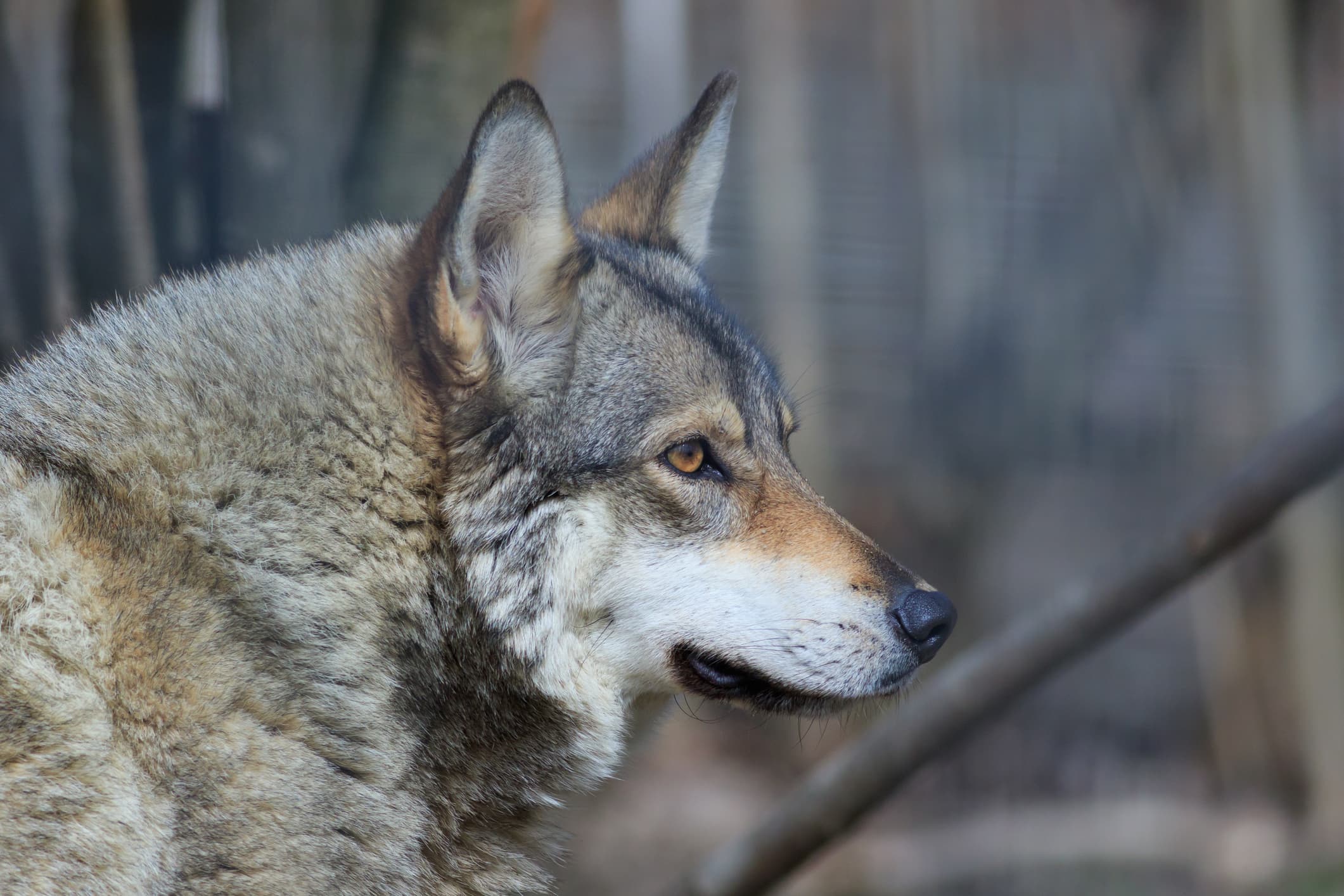
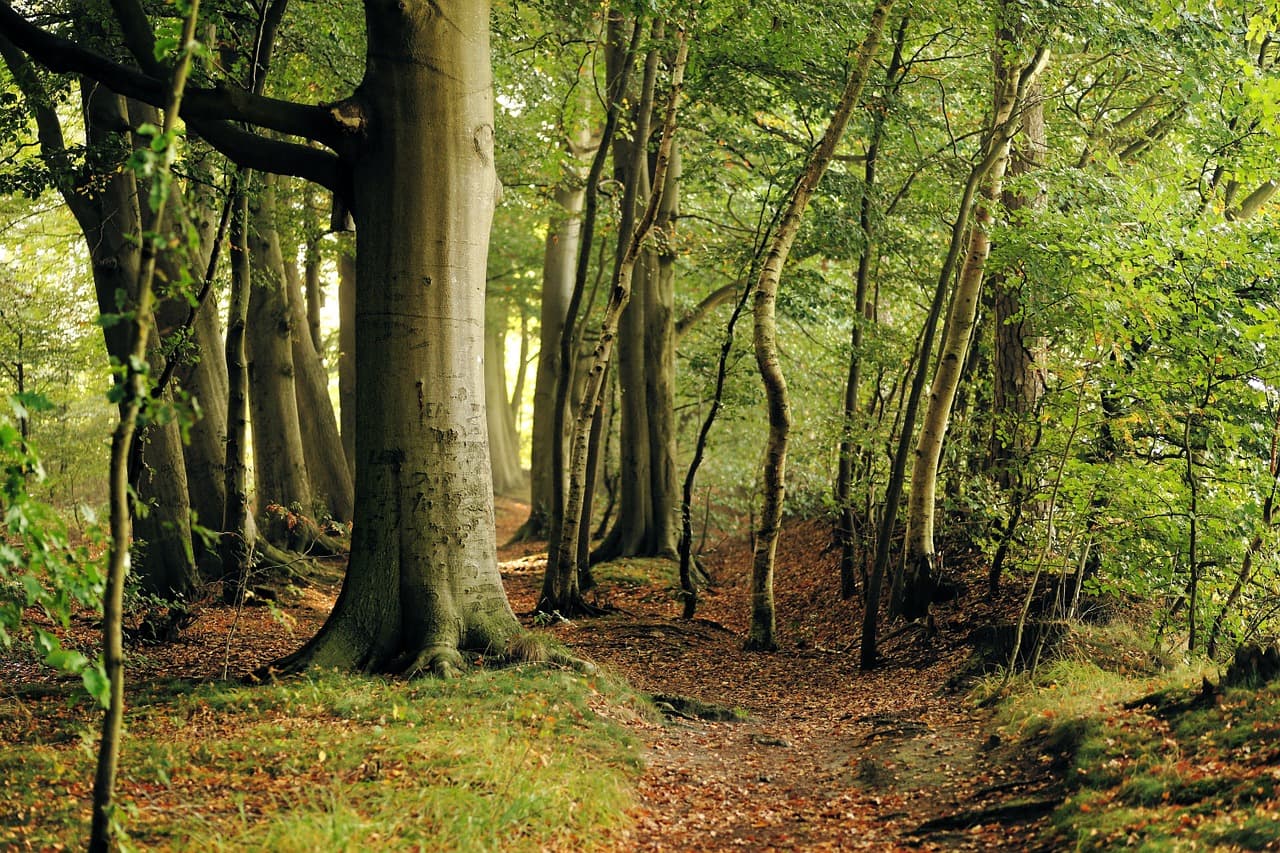
Passing by a beech forest is not something rare in Romania, and people usually tend to not pay attention anymore to these majestic trees. Nevertheless, they do have a great story to tell. Not only that the beech forests play an important part in Romania’s ecosystem, as stable forests with a rich biodiversity, but they are also of very high importance in the economy. Things to know about the beech forests The most common beech species found in Romania is the European beech (Fagus Sylvatica). These are large trees that can reach heights of 40 m and can live up to 300 years or more. These forests, single-species or mixed, can be found at altitudes between 400-500 m to 1300-1500 m. However, recent studies have shown that the climate change may increase the maximum limit of these forests by at least 100 m in the next 30 years. This means that the beech could go up to over 1,500 m, in the alpine area. The beech trees’ toothed parallel-veined leaves are shiny-green but turn reddish-coppery bronze in fall; they are 5-10 cm long and 3-7 cm broad. The trees can produce small quantities of seeds around 10 years of age, but not a heavy crop until they are at least 30 years old. The female flowers produce beechnuts, which are small, sweet-flavored triangular nuts. These nuts are an important food for birds and rodents. The beech forest is among the most important forests because, compared to other forests, it is shelter to a much richer biodiversity, hosting a large number of plants and animals, from the big predators such as the bears, wolves and lynx, to smaller animals such as squirrels and wild cats, and those we don’t usually see, such as invertebrates and insects. They create stable and environmentally friendly ecosystems. Moreover, when mixed with other species, these ecosystems become even more complex and stable. Beech forests' protection Several secular beech forests in Romania were included in the UNESCO World Heritage List in July 2017. They are the ones from Izvoarele Nerei, Cheile Nerei-Beusnita, Domogled-Valea Cernei (in Caras Severin county), the Cozia Massif, Lotrisor (Valcea county), the Sinca secular forest (Brasov county), Slatioara secular forest (Suceava county), and Grosii Tiblesului and Strambu Baiut (Maramures county). These forests occupy a surface of almost 25,000 hectares and most of them are managed by the state company Romsilva. However, the state-owned company manages less than half of the total national forest fund. Then, there is the Natura 2000 network of nature protection areas. With Romania's entry into the EU, one of the conditions was to create in the country a network of naturally protected areas. Called Natura 2000, this network has as a basic principle the protection of a series of species and habitats that are considered important at European level. As a result, a minimum of protection conditions must be respected in areas of single-species of mixed beech forests included in the Natura 2000 network. Those who manage these forests are not allowed to affect the habitats for which these areas have been declared naturally protected areas, and the habitats and species of community interest in general. In July this year, following an emergency ordinance adopted by the government, the management of the natural protected areas in Romania passed under the authority of the state National Agency for Protected Areas (ANANP). However,