Nature in Făgăraș Mountains: The Subalpine Spruce Forests in Romania
Romania-Insider.com is publishing a series of articles about wildlife in Romania, zooming in on the wild animal and plant species in the Fagaras Mountains area. This editorial series is sponsored by the Foundation Conservation Carpathia.
RI Newsroom · Journalist
· Updated · 5 min read
Romania-Insider.com is publishing a series of articles about wildlife in Romania, zooming in on the wild animal and plant species in the Fagaras Mountains area. This editorial series is sponsored by the Foundation Conservation Carpathia.
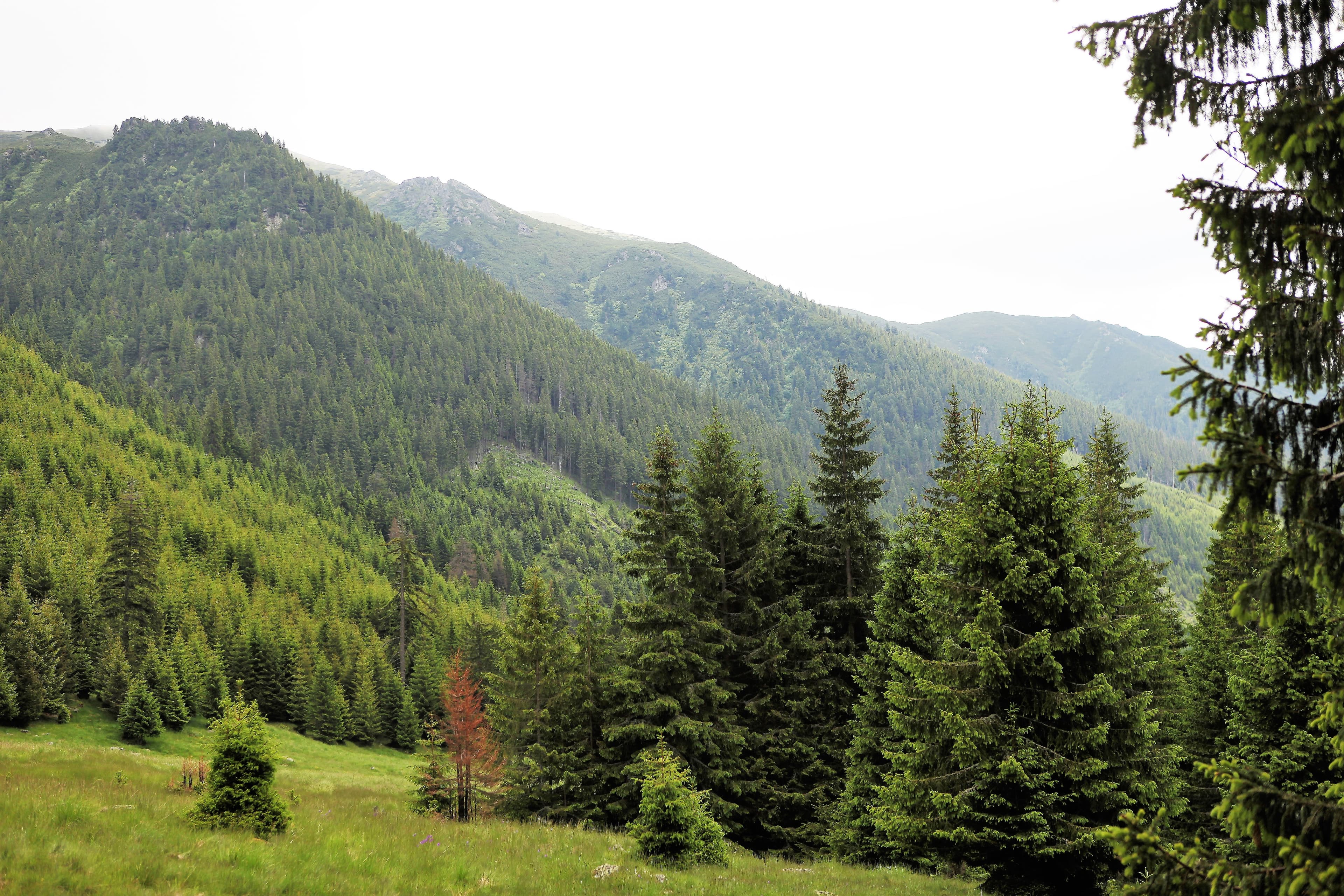
The Norway spruce (Picea abies) is one of the most important and widespread tree species in Europe. This large coniferous tree has a long tradition of cultivation and is preferred for replanting for its economic value. But with its expansion outside of the areas where it naturally occurs, its vulnerabilities become more visible. With the ability to reach an age of 200-300 years, the spruce can grow 50 to 60 meters in height. It has a straight and regular trunk, of up to 150 cm in diameter. It is particularly sought for timber constructions, pulpwood for paper and furniture. The spruce can be easily cut and it has very straight stems, making it very easy to process and highly valuable to the timber industry. The wood of the spruce is used for the manufacturing of goods such as joinery timber, furniture and veneer. It is also used as tone-wood for pianos, guitars and violins. For instance, Stradivari and other Italian violin-makers in the 17