Dacia Foundation for Romania pledges EUR 1 mln grant to support social mobility
In total, 28 non-governmental organizations received funding.
Radu Dumitrescu · Journalist
· 3 min read
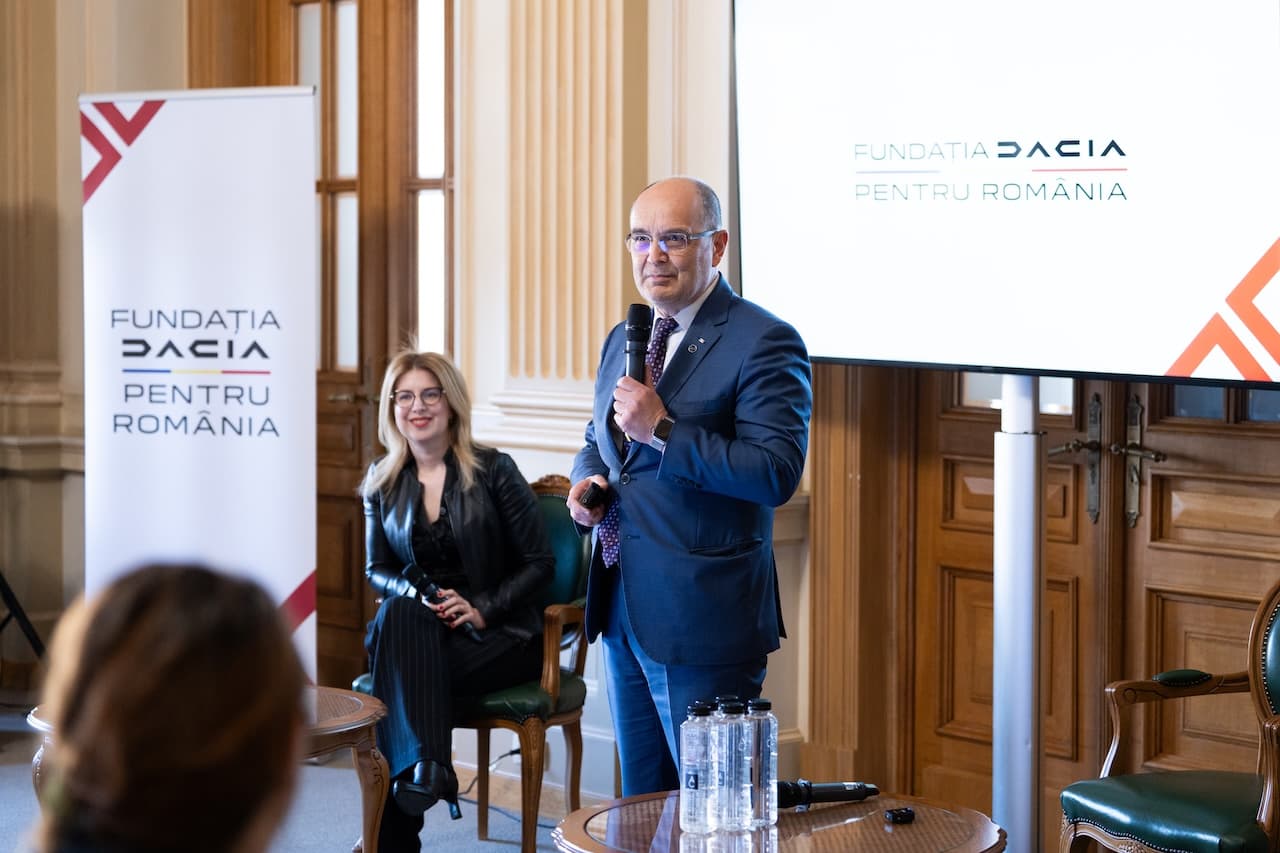
Dacia Foundation for Romania (FDpR), an autonomous non-profit organization sponsored by carmaker Dacia, announced the winners of the second edition of the “Mobilitatea contează” (“Mobility Matters”) grant program, which had a budget of up to EUR 1 million for projects that facilitate access to education, the labor market, and culture.
In total, 28 non-governmental organizations received funding, among which 10 NGOs through the Continuity track, dedicated to strengthening projects supported in the first edition, and 18 through the Open Call track.
“For us, mobility means having the opportunity to get from one place to another, which we call physical mobility, but also having access to education, a career path, and culture, and ultimately having the chance to build a better life, that is, social mobility,” said Adrian Curaj, Chairman of the Board of Directors of Dacia Foundation for Romania.
In the first year of the “Mobilitatea contează” program, 35 funded organizations worked directly with 13,500 beneficiaries and tested solutions to remove a wide variety of barriers to social mobility.
Dacia Foundation for Romania also conducted an analysis of social mobility from the perspective of civil society, with 30 of the 35 partner organizations participating in August–September.
A total of 82.8% of the organizations surveyed identified family environment or community of origin among the main causes of the physical and social mobility barriers faced by their beneficiaries. Limited access to education and training, lack of financial resources, and discrimination or stigmatization were also identified as causes of barriers by 69% of NGOs.
According to the data, the place and environment in which a person grows up can influence the resources available to them, the education they can access, the support network they can rely on, and, in turn, the opportunities they can take advantage of.
Educational support and access to training represented the main need identified by 79.3% of NGOs, followed by the development of support networks and connections with the community (69%).
The responses highlighted the need to complement education with career guidance, personal development, and independent living skills, so that the knowledge acquired translates into autonomy and concrete employment opportunities.
A total of 75.9% of NGOs considered partnerships between organizations, companies, and public institutions to be among the interventions with the greatest impact on social mobility, while 72.4% identify the development of support networks and communities as a priority. The data show how important it is for the resources provided to an individual to be backed by a community that helps them make the most of opportunities.
Free newsletters
Romania, in your inbox before your first coffee.
Get the Daily — the morning briefing, free, in English, unsubscribe anytime. Want business, real estate or travel digests too? Pick your newsletters →