Life in times of war: How the developers of a Ukrainian software company survived the first weeks after the Russian invasion
Ukrainian software company Sigma Software Group had to relocate about 90% of its employees, most of whom were based in Kharkiv, after the Russian invasion. Some of them found refuge in Romania or other countries while others decided to…
Andrei Chirileasa · Journalist
· Updated · 8 min read
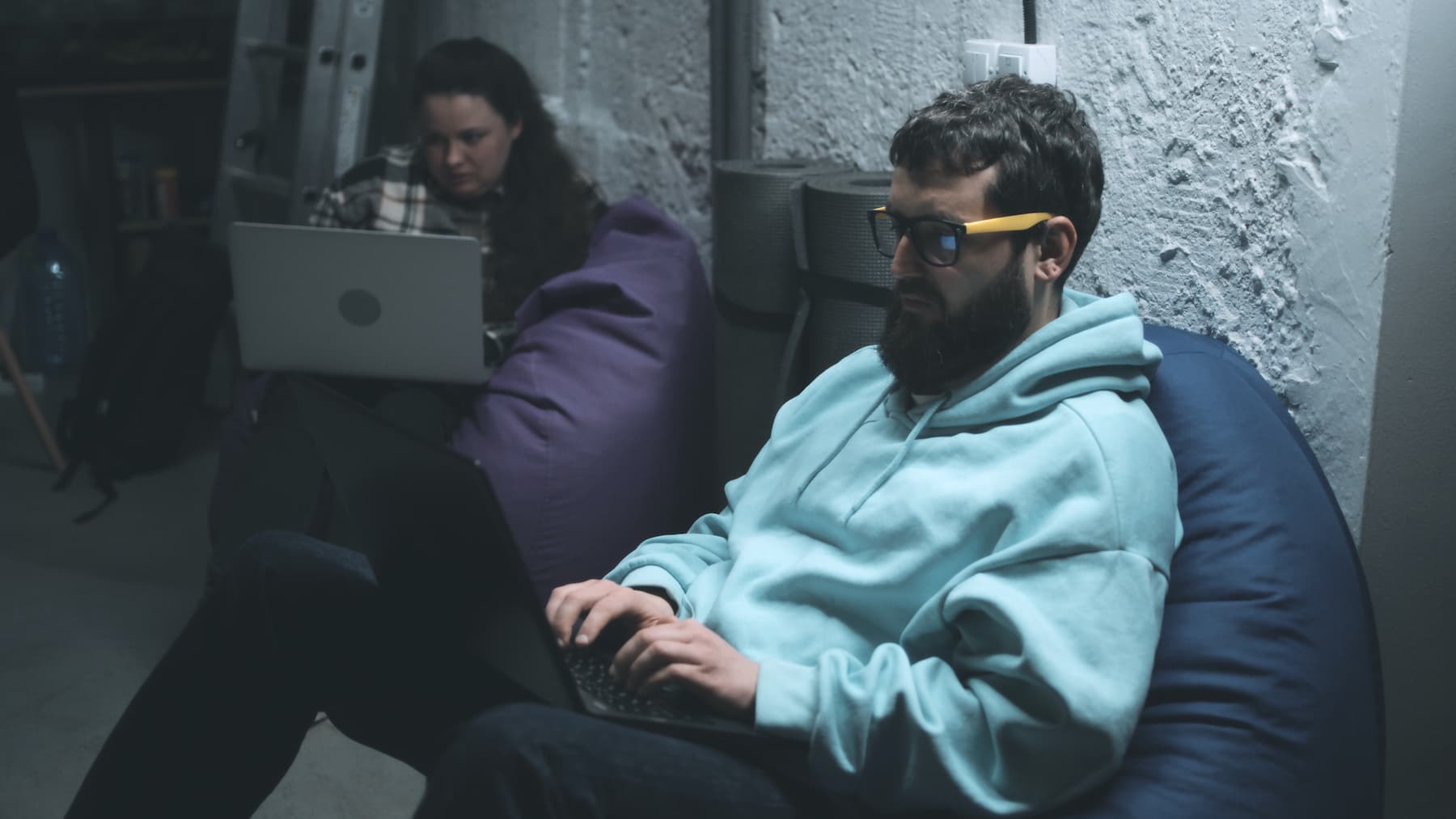
Ukrainian software company Sigma Software Group had to relocate about 90% of its employees, most of whom were based in Kharkiv, after the Russian invasion. Some of them found refuge in Romania or other countries while others decided to remain in their country and continue to work from there or help with the defense efforts. Here are a few of their stories.
From hiking in the mountains to seeking refuge in another country
Kateryna is from Dnipro, but she has been living and working in Odesa for the past 4 years. Like many of her co-nationals, she didn't fully believe the Russian invasion was possible. She was on a hiking trip when the war started and decided not to return to the city but to cross the border for safety.
“On February 23, I packed my mountaineering gear and headed for the Carpathian mountains. I met the next morning on the train on the way to the training camp. At 6 AM, I found myself in the city of Ternopil when I started reading the news. I boarded the bus that took me to the mountains. On the way, all the passengers listened to the news and saw the Ivano-Frankivsk airport on fire. I think there is no point in discussing the emotions here,” she recalls.
“Naturally, training camp was canceled. Four other people with me just didn't understand what to do as well. I didn't risk going back to Odesa. Luckily, I had my laptop and passport with me. I decided to stay for a couple of days in the mountains with part of my group. Soon a friend from Chernivtsi wrote to me and suggested I go abroad. I didn't know what to do and I agreed. The friend got in line the same day, on the 24th. I hitchhiked to her the next day. My friend had already been at the border for 24 hours with a child. After we met, we spent another 24 hours together. When we realized that we had to wait another day or two, we couldn't bear it any longer. We turned around and went to her house to rest for one night. After that, we decided to go to the border with Moldova.”
She describes the terrible feelings of insecurity that the residents of Chernivtsi felt on those days, despite the city being rather far from the battlefront.
“At one point the air raid sirens were sounded and there was a complete lack of understanding of what to do. Now in Chernivtsi people react calmly to the sirens, but back then it was the first time and we were sitting in the car and didn't know where to hide. In the middle of the night, everyone turned off their cars, they were scared and just sat there, listening, getting ready to run to some nearby ravines. It was very scary.”
After another 14 hours at the border, her group ended up in Moldova where they were welcomed by the “friendly neighbors”.
“When we arrived, volunteers met us there. People welcomed us very cordially, helped with everything, and brought hot tea, and food in the boxes. It brought us to tears. We were sheltered by locals, as it was unrealistic to find accommodation. We slept for 24 hours. The family of volunteers, where we stayed, hosted 16 people with us in their house in the village. Just an ordinary family. Incredible people.”
Free newsletters
Romania, in your inbox before your first coffee.
Get the Daily — the morning briefing, free, in English, unsubscribe anytime. Want business, real estate or travel digests too? Pick your newsletters →