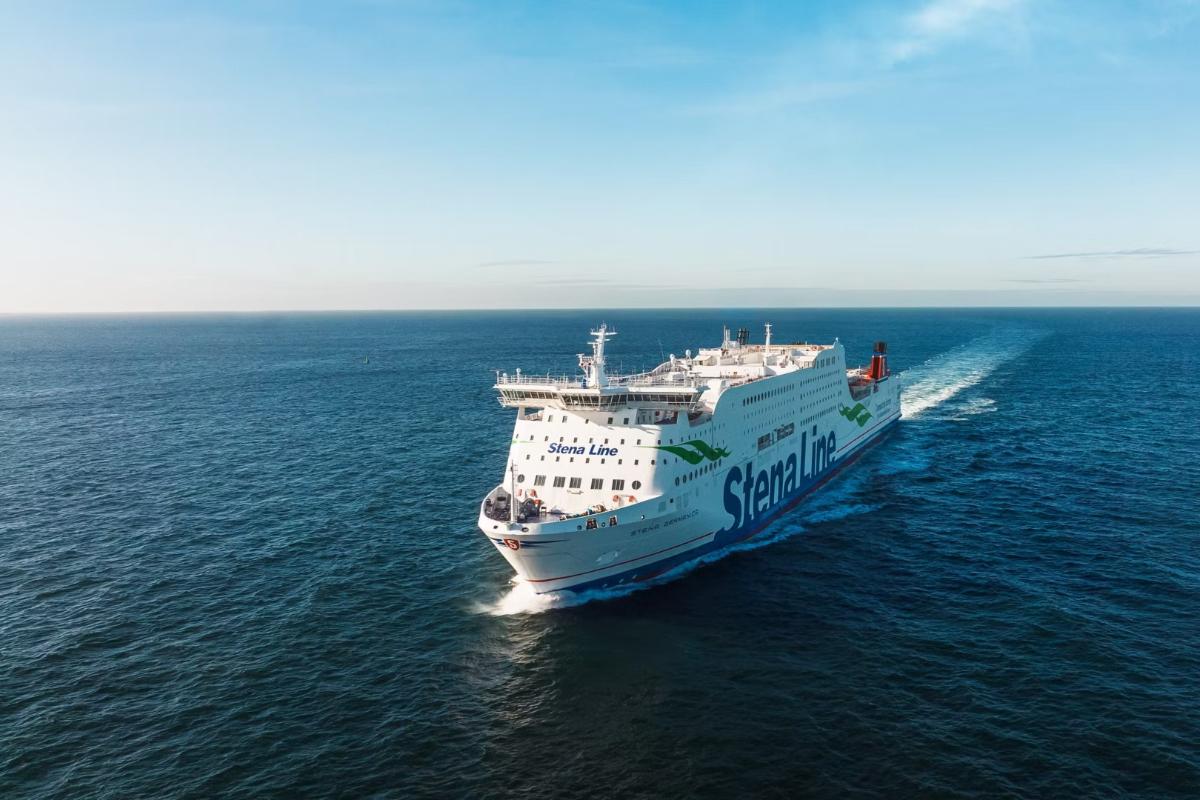
ASSIST Software Is part of a European project that aims to bring maritime CO₂ emissions to zero by 2045
ASSIST Software, a Romanian leader in digital transformation, is participating in the TwinShip project, a landmark EU-funded initiative designed to cut greenhouse gas emissions considerably in the maritime industry. Supported by Horizon…

ASSIST Software, a Romanian leader in digital transformation, is participating in the TwinShip project, a landmark EU-funded initiative designed to cut greenhouse gas emissions considerably in the maritime industry. Supported by Horizon Europe, TwinShip unites industry leaders, academic institutions, and tech experts to leverage cutting-edge digital twin technology to drastically reduce the seafaring sector's carbon footprint and steer toward net-zero emissions by 2045.
Pioneering Green Tech Through Digital Twin Technology
According to the International Maritime Organization (IMO), the maritime industry currently accounts for around 3% of global CO₂ emissions. Projections indicate a need for significant environmental intervention to meet international sustainability targets. The TwinShip project aims to address this using digital twin technology.
"A digital twin is a virtual representation of a physical entity, such as a ship. The technology allows real-time data monitoring, scenario testing, and performance optimization by replicating exact environments and situations without disrupting the industry or processes it mirrors," says Adrian Onu, ASSIST Software's Chief Operating Officer.
In TwinShip, ASSIST Software plays a role by deploying its experience in digital twin technology, AI, and machine learning to create advanced tools that support improvements. By simulating entire vessels and optimizing routes, the system will help reduce fuel consumption and emissions. These digital twin systems can guide operational choices, including route planning and fuel management, to minimize environmental impact while enhancing efficiency.

TwinShip's Ambitious Environmental Goals
TwinShip's objectives align with the International Maritime Organization's commitment regarding emissions. With intermediate targets aiming at reducing emissions by 30-40% by 2030, the project's ultimate goal is to reach net zero by 2045.
The consortium that will drive the project's digital transformation goals by creating a platform capable of handling vast amounts of data is led by The Artic University of Norway. Alongside it, organizations and companies such as SINTEF, Wärtsilä, Institute of Communication & Computer Systems as a part of the National Technical University of Athens, American Bureau of Shipping, Grimaldi, Stena Line, Stena Teknik, ASSIST Software, Knud E. Hansen, Fundación Valenciaport, UBITECH, 52°North Spatial Information Research GmbH and bound4blue are committed to fulfilling the project’s ambitious objectives through their unique expertise.
Free newsletters
Romania, in your inbox before your first coffee.
Get the Daily — the morning briefing, free, in English, unsubscribe anytime. Want business, real estate or travel digests too? Pick your newsletters →