Save the Children Romania: PISA tests reveal 3-year schooling difference between children from different backgrounds
The recently released PISA 2022 tests reveal the gap between the results of Romanian children vulnerable to poverty and those from advantaged social backgrounds has increased. The gap is equivalent to a difference of 3 years of schooling…
Radu Dumitrescu · Journalist
· Updated · 4 min read
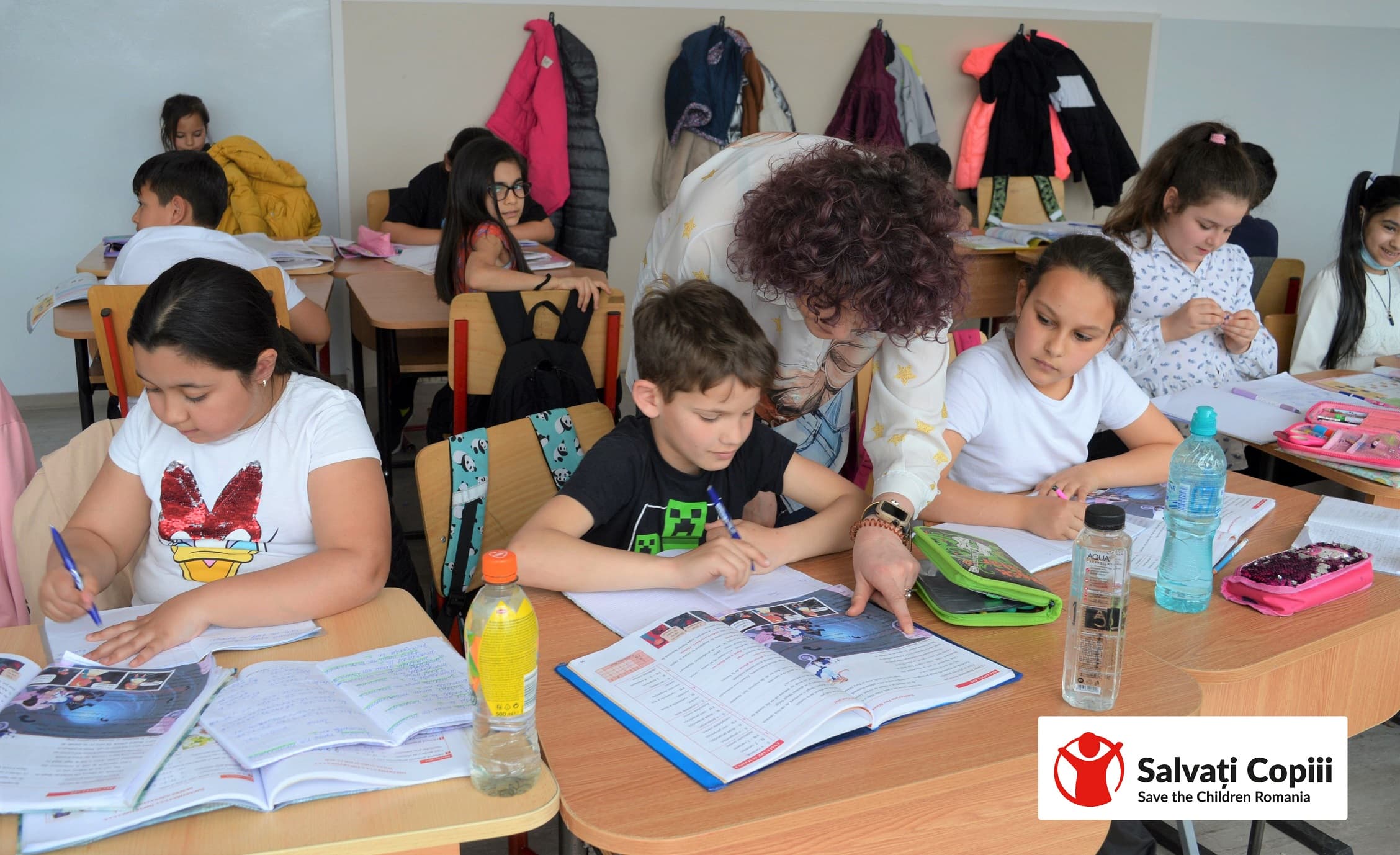
The recently released PISA 2022 tests reveal the gap between the results of Romanian children vulnerable to poverty and those from advantaged social backgrounds has increased. The gap is equivalent to a difference of 3 years of schooling between children.
The educational gap has increased by almost one year of school between 2018 and 2022, according to the PISA results, the Save the Children Romania press release highlights. The gap's growth was driven both by a decrease in the performance of poor students (-11 points) and an improvement in the performance of advantaged students (+13 points). The difference is especially evident in performance in mathematics.
There is also a regional gap in the Romanian education system. Before the PISA evaluations, Save the Children Romania drew attention to the fact that the results of Romanian students in the National Evaluation exam reflect the disparities and socio-economic inequalities between the regions of Romania. The Northeast and South-Muntenia regions, consistently identified in almost all comparative analyses of the European Union as the poorest areas in Europe (38.2% - 2022 and 37.1%, respectively), have the most grades below 5 (27.8% and 29.5%) in the National Evaluation.
"Beyond the highlighted issues in the foreground, which indicate a stagnation in the ability of Romanian students to understand a text and apply knowledge in mathematics and other sciences, Romania is among the countries where the difference generated by socioeconomic status has deepened significantly in the last 10 years, an exception to the general trend at the OECD level (where this difference has only experienced minor growth). 'Poverty kills education' is not just a slogan but the dramatic reality of children from disadvantaged socio-economic backgrounds," warned Gabriela Alexandrescu, executive president of Save the Children Romania.
The organization points to several trends and correlations between material poverty and poor performance in the National Evaluation. Overlaying the maps of poverty and material deprivation with the map of educational performance highlights educational poverty and the need for intervention in these regions. Moreover, 4 out of 10 children (39.56%) graduating from primary schools in rural areas of Romania had grades below 5, while 21.5% of urban students achieved scores higher than 9. Children in cities with a perfect ten were 14 times more numerous than those living in rural areas.
Save the Children's analyses showed that parents in urban areas spend 30-40% more on additional preparation, through tutoring or extended school programs, for their children. Additionally, tutoring represents a significant cost category, around RON 2,500 (EUR 500) annually in 2021, an amount very few parents in rural areas can afford.
Supportive policies such as expanding the After-School and Healthy Meal programs could alleviate some of the material deprivation stopping children from excelling, according to the organization. Setting up more nurseries and kindergartens in rural areas is another measure that could be taken, in addition to strengthening social services.
Free newsletters
Romania, in your inbox before your first coffee.
Get the Daily — the morning briefing, free, in English, unsubscribe anytime. Want business, real estate or travel digests too? Pick your newsletters →