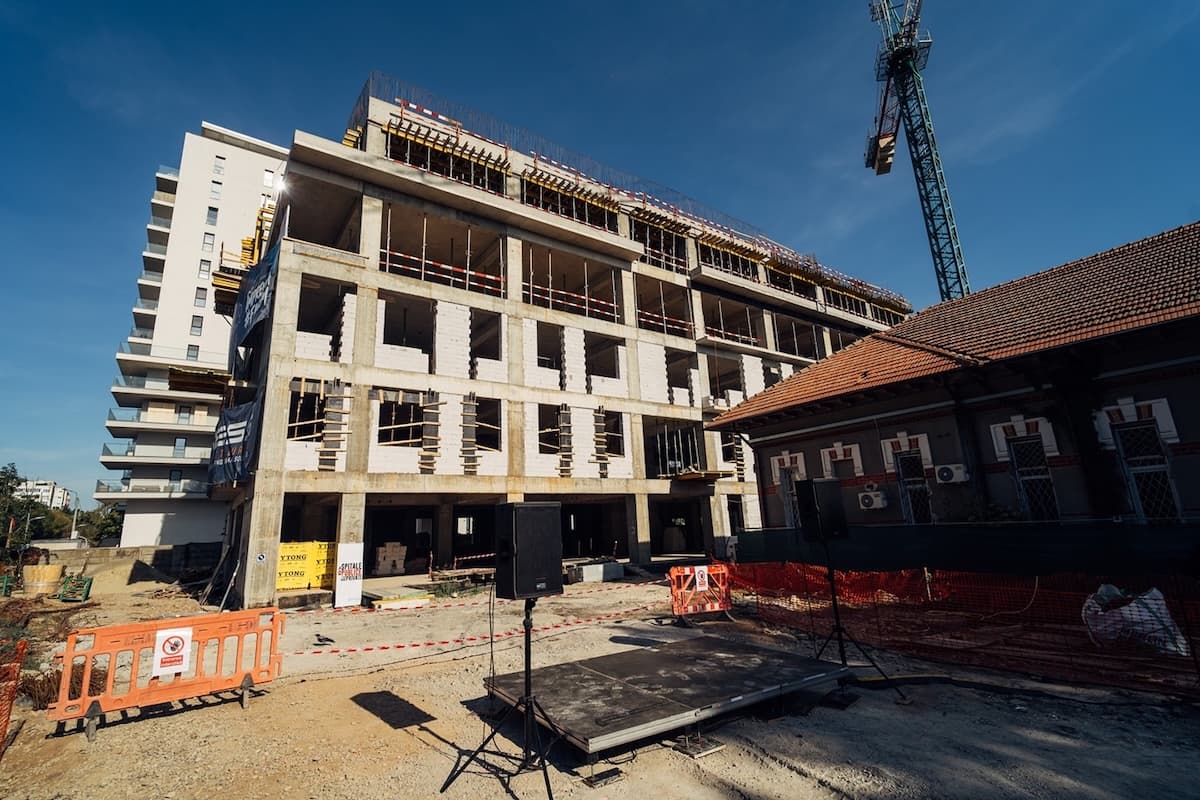
Report: Most hospitals in Romania operate in buildings built between 1900 and 1970
Most hospitals in Romania operate in buildings constructed between 1900 and 1970, with 68 hospitals housed in structures predating 1900, according to a new report by Romania’s Court of Auditors.
Radu Dumitrescu · Journalist
· Updated · 2 min read

Most hospitals in Romania operate in buildings constructed between 1900 and 1970, with 68 hospitals housed in structures predating 1900, according to a new report by Romania’s Court of Auditors.
The report, cited by G4Media, was compiled after an audit of 310 hospital units and a performance audit at the Ministry of Health.
Due to age and architectural structure, many buildings don't meet current standards, posing significant fire prevention and firefighting risks. Hospitals, auditors found, are operating in outdated, seismically risky buildings unfit for medical activities, have insufficient investments, and underdeveloped infrastructure.
Aside from the age of the buildings housing hospitals, the report also shows that less than half (46%) of the hospitals possess medical imaging equipment (CT and/or MRI). The report further notes significant disparities between personnel and capital expenditures, favoring the former.
To improve the medical system in Romania, the Court of Auditors advises reducing regional discrepancies in the doctor-to-population ratio and healthcare needs. It also recommends implementing flexible staffing policies and performance incentives through performance criteria, following an evaluation of hospitals in the national public system.
Recommendations include developing an annual staff recruitment plan, and effective and sustainable HR policies, including attracting and retaining medical staff in understaffed areas and defining a training and development plan based on identified needs.
Other recommendations involve maximizing revenues, including through non-repayable European funds, improving financial resource efficiency to enhance service quality and patient satisfaction, and conducting analysis for applicable solutions to old buildings for rehabilitation/modernization/consolidation. The Court also suggests common standards for hospital buildings and control measures against exceptional situations, analyzing hospital units' software applications, transitioning to an integrated reporting system, and balanced expenditure distribution through cost centers.
The report highlights that significant sums were received from the National Unique Health Insurance Fund (FNUAS) budget since 2017 to cover medical staff salary increases. However, the quality of medical services was affected by delayed service reimbursements and a reimbursement system not aligned with real medical service costs, leading to hospital system underfunding.
Free newsletters
Romania, in your inbox before your first coffee.
Get the Daily — the morning briefing, free, in English, unsubscribe anytime. Want business, real estate or travel digests too? Pick your newsletters →