Romanian PM talks imminent local administration reforms package with municipalities
The local taxes, other than the property tax, will increase by 70% and the overall payroll will decrease by 20% by a combination of lower employment and lower individual incomes to be decided at local level, prime minister Ilie Bolojan…
iulian ernst · Journalist
· Updated · 4 min read
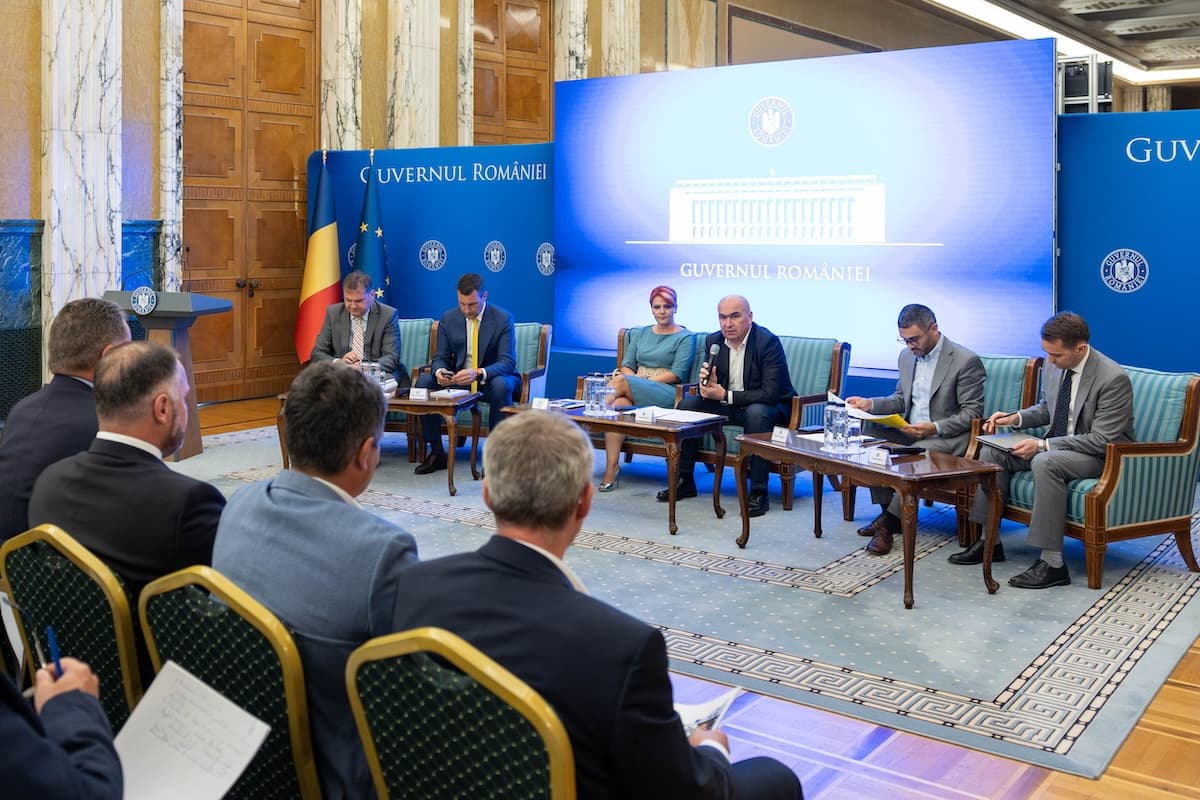
The local taxes, other than the property tax, will increase by 70% and the overall payroll will decrease by 20% by a combination of lower employment and lower individual incomes to be decided at local level, prime minister Ilie Bolojan told representatives of the Association of Municipalities from Romania (AMR) on August 5 during a meeting on the local administration reforms.
The government is preparing the second package of reforms, which will include the local administration reforms, according to an executive's press release.
The reforms aim to reduce public spending, enhance tax collection, and improve the efficiency of local services, as part of commitments under the National Recovery and Resilience Plan (PNRR). They are needed to secure fiscal consolidation in the medium term, after the first package of reforms fixed the acute budgetary needs.
Furthermore, the coming reforms are expected to address the social frustration by showing more efficient use of public money, after the first package mainly included tax hikes with a direct impact on households' real incomes.
Romania's government is slightly behind schedule as it had previously promised to come up with the second package of reforms by the end of July and approve it by mid-August. In addition to the local administration reforms, the package is supposed to include reforms in state-owned enterprises (SOEs) - an activity initially assigned to the resigned deputy prime minister Dragos Anastasiu.
After consultations between representatives of the government and AMR on August 5, it was agreed that the 20% cut of the personnel in the local administration might actually be replaced by a combination of lower individual incomes and fewer employees, as long as the overall payroll drops by 20%. The decision will be taken at the local level, on a case-by-case basis, according to Digi24.
The financing of the public investment projects funded from the national budget under the Anghel Saligny scheme will also be decided on a case-by-case basis after consultations between central and local level representatives. But the budget constraints are extreme, as minister of development Cseke Attila explained in an interview given on August 4 to B1 TV: the scheme's budget this year is RON 10 billion (EUR 2 billion), out of which RON 3.6 billion should cover invoices filed by contractors last year.
Free newsletters
Romania, in your inbox before your first coffee.
Get the Daily — the morning briefing, free, in English, unsubscribe anytime. Want business, real estate or travel digests too? Pick your newsletters →