PISA 2022: Could online learning bridge the gap in global education challenges?
A couple of days ago, the results for the PISA 2022 tests were published, bringing along new data on how the COVID-19 pandemic has affected student performance and well-being.
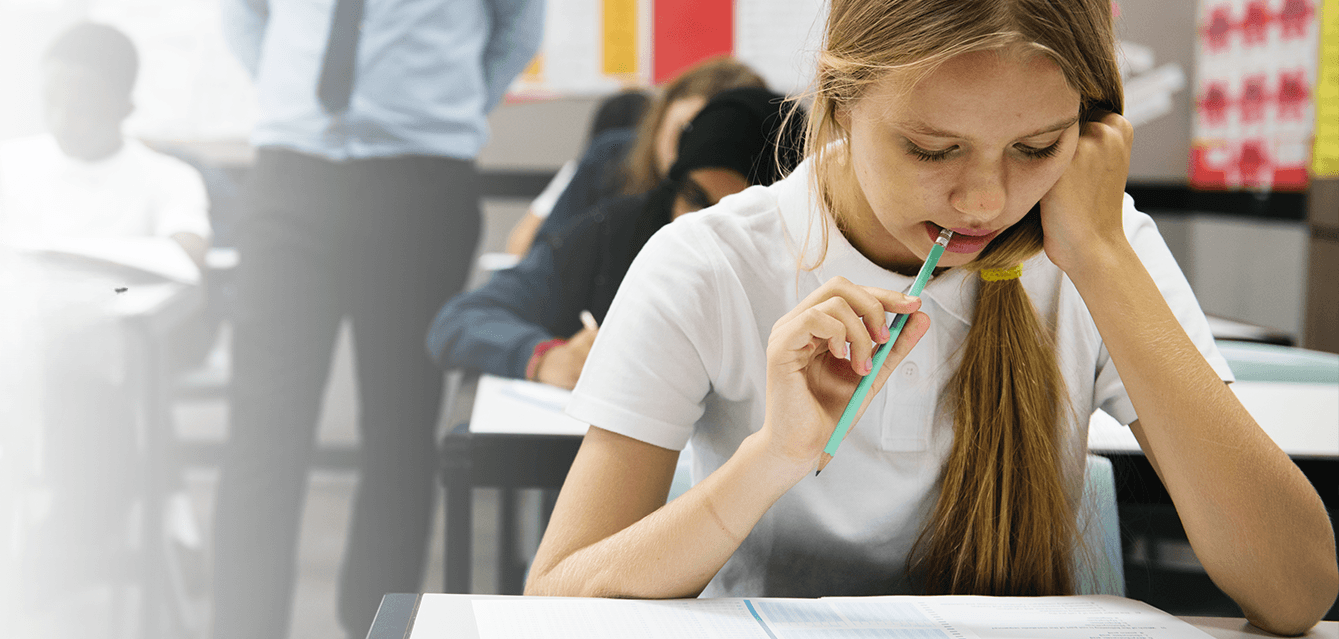
A couple of days ago, the results for the PISA 2022 tests were published, bringing along new data on how the COVID-19 pandemic has affected student performance and well-being.
However, the studies show that moving to an online environment was not the biggest risk factor for students, as one would expect.
Overview of the PISA 2022 results and its significance
PISA, or The Programme for International Student Assessment, is a study conducted globally by the Organisation for Economic Co-operation and Development (OECD) in member and non-member nations.
The study, initially launched in 2000, is a catalyst for testing 15-year-olds’ skills and academic levels in reading, mathematics, and science and the last test was conducted in 2018 before COVID-19 happened.
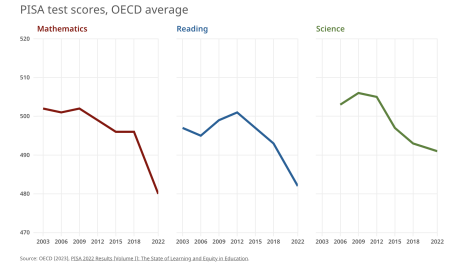
Compared to the last test scores from 2018, the mean performance fell by 1 0 score points in reading and by almost 15 score points in maths, according to the OECD’sreport.
Understanding the PISA 2022 Results
The 2022 PISA results show that Education is done differently from country to country.
If, for some countries, the period of COVID-19 didn’t signify a roadblock in education, others seem to have been affected by the transition to digital learning.
Key findings from PISA 2022 - according to the PISA Report Summary
- Eighteen countries and economies performed above the OECD average in mathematics, reading and science in 2022
- Between 2018 and 2022, mean performance in mathematics across OECD countries fell by a record 15 points
- Reading fell 10 points, twice the previous record, whereas science performance did not change significantly
- On average, reading and science trajectories had been falling for a decade, though math had remained stable between 2003-2018
- Colombia, Macao (China), Peru and Qatar improved in all three subjects on average since they began to take part in PISA.
- Many countries, including Cambodia, Colombia, Costa Rica, Indonesia, Morocco, Paraguay and Romania, have rapidly expanded access to education over the past decade - making significant progress towards universal secondary education
Free newsletters
Romania, in your inbox before your first coffee.
Get the Daily — the morning briefing, free, in English, unsubscribe anytime. Want business, real estate or travel digests too? Pick your newsletters →