Kindness is a nurtured habit: the importance of volunteering for children
Encouraging compassion and an understanding of others should be a high priority for all schools. By championing volunteering, schools can help a student develop such attributes while also encouraging other traits in children such as…
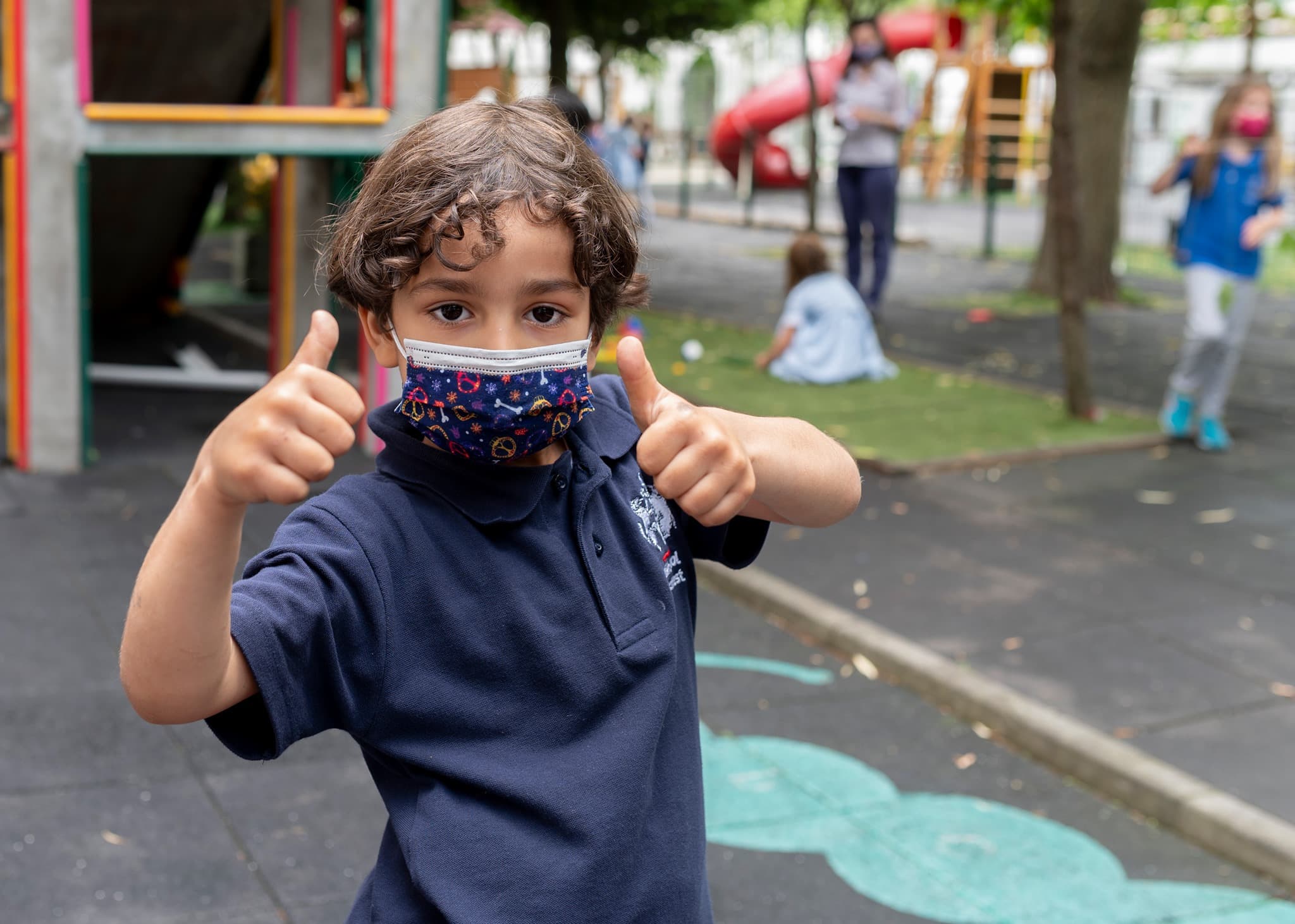
Encouraging compassion and an understanding of others should be a high priority for all schools. By championing volunteering, schools can help a student develop such attributes while also encouraging other traits in children such as greater resilience, independence and self-confidence.
The British School of Bucharest offers many volunteering opportunities for their students as an essential part of their extracurricular provision and as a reflection of their ethos; one of the School’s key aims being to develop within students an attitude of individual responsibility, based upon the School’s core values of honesty, respect, self-control, equality and concern for others.
Asked about the impact of volunteering activities on children and the differences in their personal development compared to others who weren’t involved, Victoria Smith, Head of Primary at the British School of Bucharest argued that, ‘Children who actively participate in community service projects and volunteering activities gain a sense of belonging to a broader community outside their families, circles of friends, School, and external extracurricular activities. They take responsibility for the 'greater good', practice compassion and empathy for people/animals/environments under challenging situations while understanding how fortunate they are’.
Laura Dumitrescu, Psychologist, added that ‘Children have an innate capacity to feel empathy. However, like any other social skill, empathy is also a continuously developing, learned behaviour. Volunteering is a great tool to foster empathy in children because it allows them to get in touch and tend to the needs of others with compassion and genuine understanding. We increasingly see that volunteering leaves a lasting impact on their attitude and knowledge of personal and social responsibility by taking children and adolescents out of their comfort zone and opening their eyes to the needs of others. Children who volunteer generally have a greater sense of social ability. They are friendlier and care for the well-being of others above their age expectations’.
Volunteering provides even more benefits to children's growth. It empowers them to develop self-efficacy and strengthens their belief that they can make a difference by putting in the effort. It also reduces stress, helps them discover new interests and passions and improves their interpersonal skills.
'Volunteering teaches children civic responsibility and the importance of playing an active role in the community. When children become aware of the issues that people in their community are facing, and they actively participate in helping the people who live in it, they learn what it means to apply the values of self-control, honesty, respect, equality, and concern for others to real-life situations', comments Laura Dumitrescu, Psychologist.
Free newsletters
Romania, in your inbox before your first coffee.
Get the Daily — the morning briefing, free, in English, unsubscribe anytime. Want business, real estate or travel digests too? Pick your newsletters →