Differences between hybrid and traditional high schools
Keep hearing about the hybrid learning model, but still unsure what it is and how it compares to the traditional schooling system everyone was used to?
Keep hearing about the hybrid learning model, but still unsure what it is and how it compares to the traditional schooling system everyone was used to?
As times change, new technologies emerge, and our lives change with them. One of these technologies, for example, is Artificial Intelligence - which has taken over as everyone’s personal assistant in the blink of an eye. On the other hand, hybrid education is another big change in education infrastructure, and people are curious to find out what makes it special. Well, quite a lot of things.
Defining Traditional Education
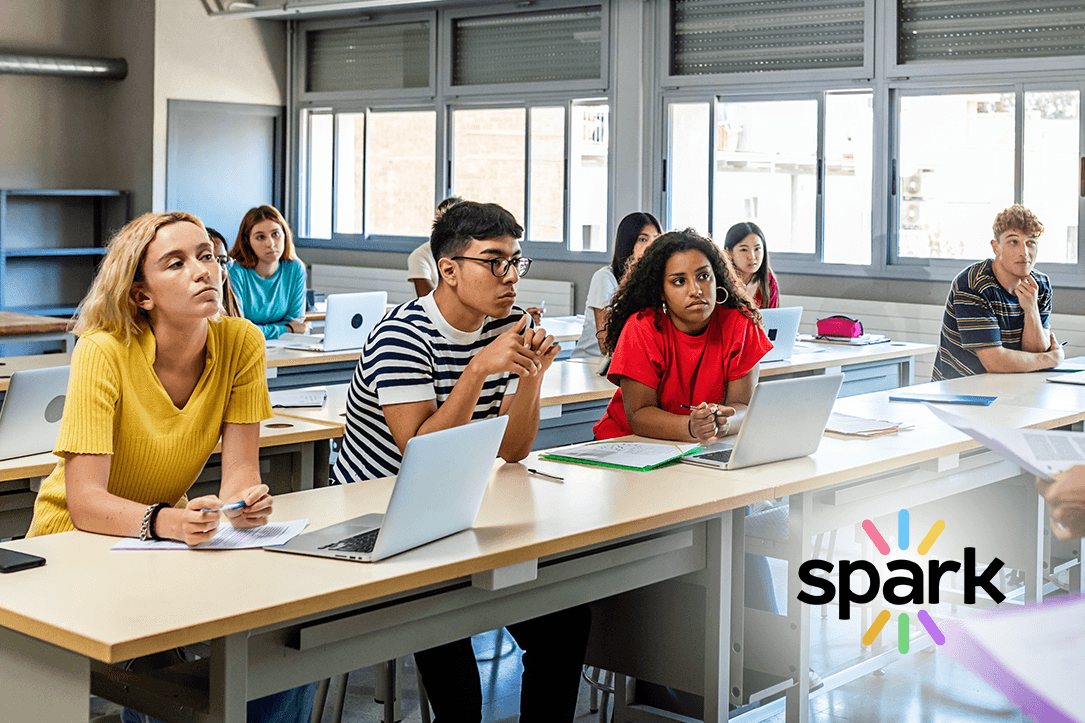
Most of today’s adults grew up attending a traditional high school. Traditional education is the type of education that always relies on the teacher's direct engagement with students.
The students must attend a physical school, and most of the time, the teaching methods include a teacher presenting the subject matter or reading instructions for exercises and/or assessing the students’ knowledge.
This educational form is a time-honoured method that follows a strict schedule, and classes are usually made up of groups of 10-30 students - depending on the location and population number of the area.
The Hybrid Learning Model
Hybrid learning, also known as blended learning, has gained traction as an innovation that brings us closer to the future of education. It combines a mix of online education with in-person experiences, erasing traditional education's boundaries, like physical location or having to adhere to strict schedules.
For example, Spark Hybrid High School - a hybrid high school created by the founder and CEO of Transylvania College, Ruxandra Mercea - is one of the high schools that accepted the challenge of adopting the hybrid learning model.
Their teaching approach reflects a commitment to meet the needs of families who seek an alternative to the traditional schooling system and seek to develop students as whole human beings - not just academic learners.
The hybrid learning model at Spark School is a dynamic fusion of online and offline learning, adhering to an 80/20 formula. Digital learning constitutes 80% of the educational experience, leaving the remaining 20% for in-person interactions.
While the percentage split can vary across schools, the fundamental idea remains consistent – the modern family values the flexibility and individualised approach that the hybrid learning offers.
Flexibility Redefined
In contrast to the rigid admission periods of traditional schools, hybrid schools like Spark usually embrace flexibility at every turn - including the admissions period.
Free newsletters
Romania, in your inbox before your first coffee.
Get the Daily — the morning briefing, free, in English, unsubscribe anytime. Want business, real estate or travel digests too? Pick your newsletters →