Beyond the classroom: How the Romanian American University in Bucharest is preparing students for the jobs of the future
The jobs awaiting today’s university students may look very different by the time they reach the middle of their careers. Artificial intelligence is changing how companies operate, automation is reshaping established professions, and…
The jobs awaiting today’s university students may look very different by the time they reach the middle of their careers. Artificial intelligence is changing how companies operate, automation is reshaping established professions, and employers increasingly need people who can move confidently between disciplines, technologies and cultures.
Technical knowledge remains essential, but it is no longer enough on its own. Graduates are also expected to analyze information critically, communicate clearly, use emerging technologies responsibly and continue learning as their industries evolve.
At the Romanian-American University in Bucharest, commonly known as RAU, the response to this uncertainty is to connect academic education with the professional world long before graduation, helping students adapt, step by step, throughout their academic journey to changes in the labour market, technology, and society.
The university combines a forward-looking curriculum with practical training, business partnerships, international experiences and extracurricular learning. Rather than treating employability as a final step at the end of a degree, RAU seeks to build it into the broader student experience.
Keeping education connected to the workplace
A central element of this model is the university’s relationship with employers and other public and private institutions.
RAU offers programmes across fields including international business, finance, marketing, computer science, tourism, law, psychology, healthcare and architecture. Through regular dialogue with companies and socio-economic partners, the university adapts its curricula to reflect both current labor-market requirements and the future development of the professions for which students are preparing.
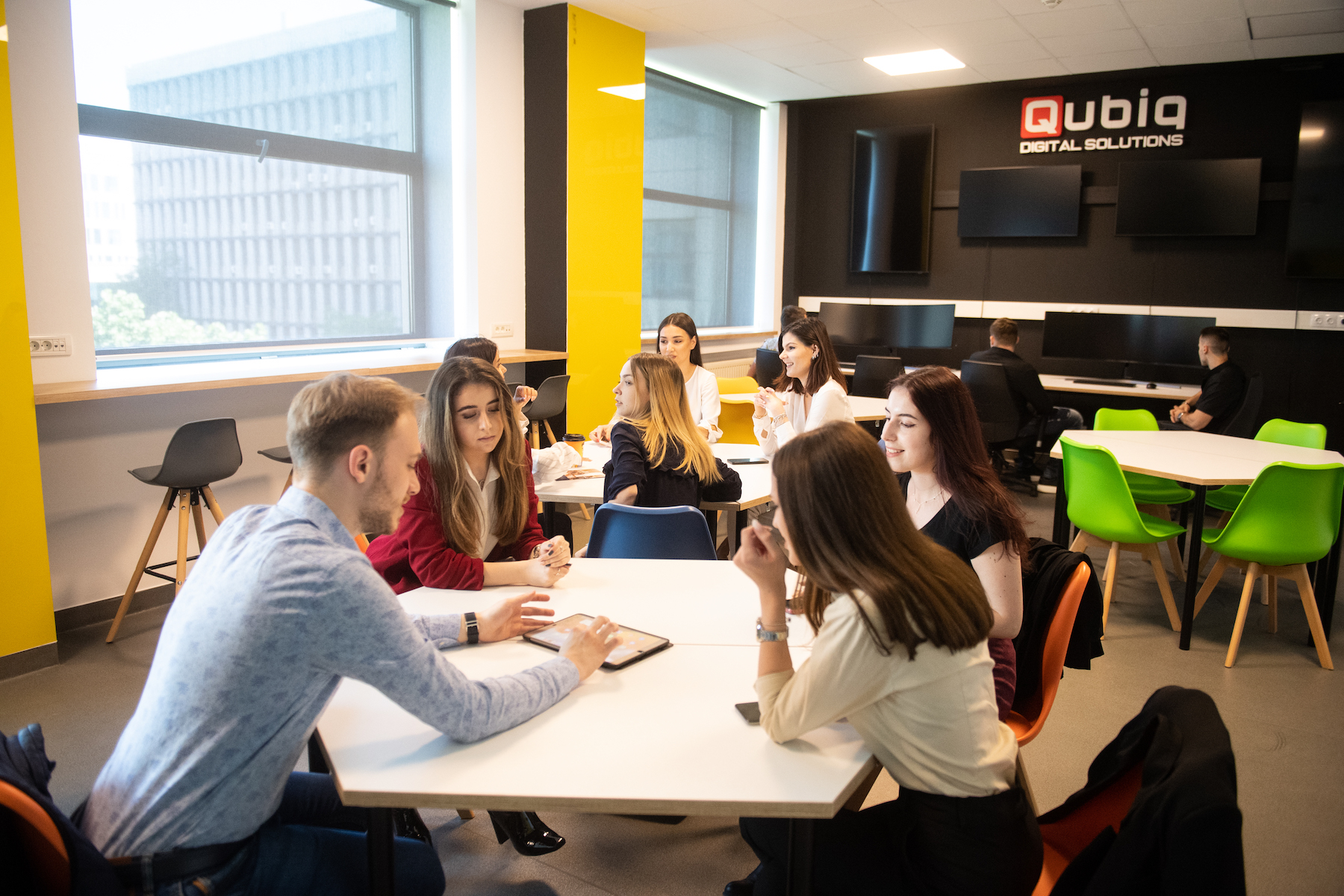
The involvement of the business community extends beyond providing feedback on courses. Company representatives, entrepreneurs and other professionals take part in workshops, conferences, mentoring sessions, applied projects and networking events. These encounters give students direct access to industry expertise and a clearer understanding of how organizations work, what employers expect and how decisions are made in professional settings.
Internships and practical training provide another bridge between theory and work. Students can test academic knowledge in real situations, explore possible career paths and begin building professional networks before graduation.
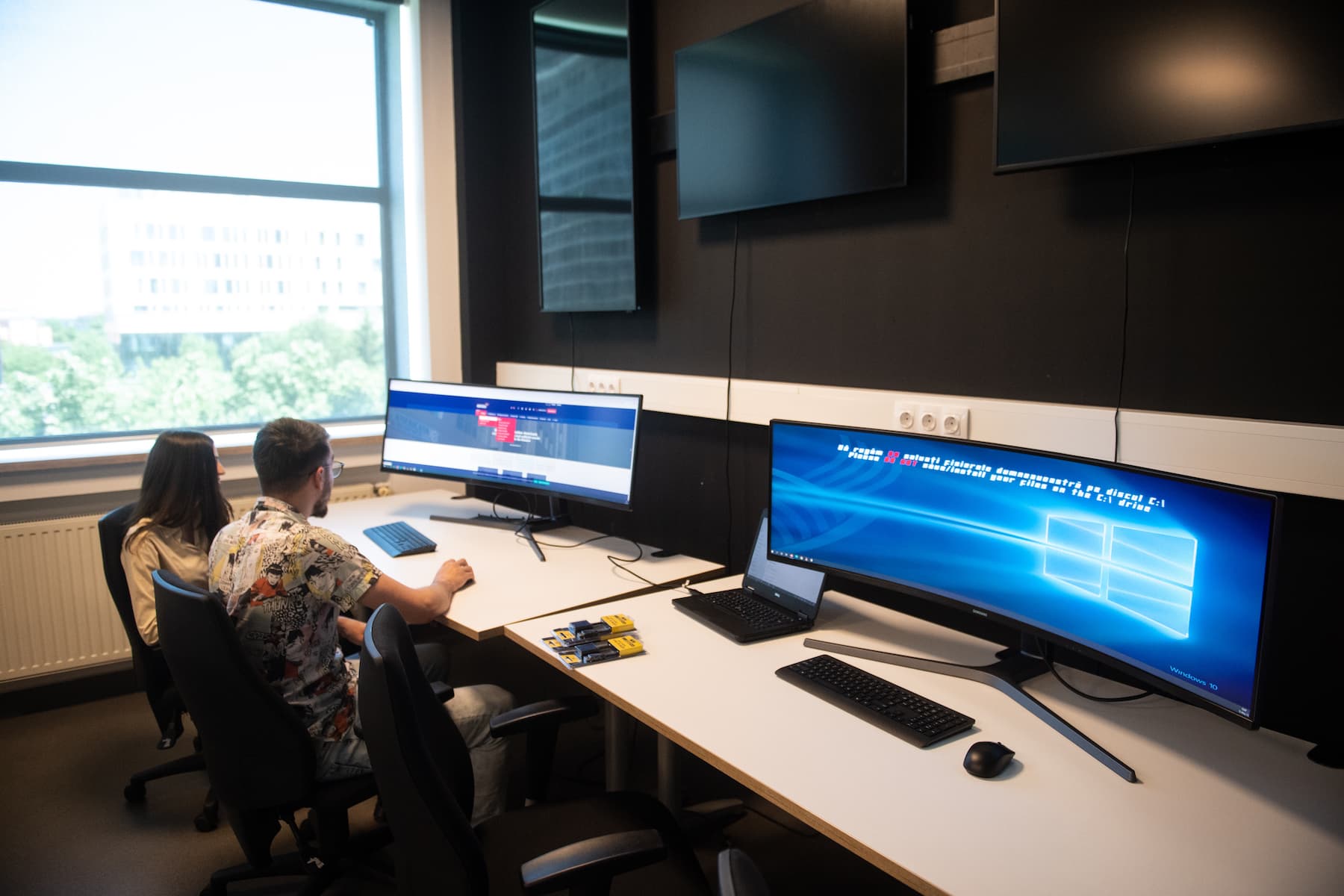
RAU reports that 77% of its graduates find employment in the field they studied or in a related area. The figure is higher in technology-focused studies: according to the university, more than 92% of graduates from its School of Computer Science for Business Management secure employment in their field within one year.
Free newsletters
Romania, in your inbox before your first coffee.
Get the Daily — the morning briefing, free, in English, unsubscribe anytime. Want business, real estate or travel digests too? Pick your newsletters →